
What If I Am the Victim
When self-doubt is not denial but clarity


There is a moment many of us reach after deep self-reflection. You ask yourself hard questions. You examine your behavior. You wonder if you are the problem. And after all that honesty, another thought quietly appears. What if I am actually the victim
This question is often dismissed. People confuse victimhood with weakness or avoidance. But acknowledging that you were hurt does not mean you refuse responsibility. It means you are finally telling yourself the truth about your experience.
Not every painful relationship is a lesson in self-blame. Sometimes it is a lesson in recognition.
Self-Awareness Can Turn Into Self-Doubt
When you start working on yourself, you can easily swing too far in the other direction. You take responsibility for everything. You over-analyze every reaction. You replay conversations searching for what you did wrong.
In the process, you may shrink your own pain. You may excuse harmful behavior because you want to be fair. But fairness does not mean erasing yourself.
If you are constantly questioning your reality while excusing someone else’s actions, that is not growth. That is self-abandonment.
Being the Victim Does Not Mean Being Perfect
Victims are often portrayed as passive and flawless. Real life does not work that way.
You can be hurt and still have flaws. You can react badly while being mistreated. Pain does not make you saintly. It makes you human.
Acknowledging that you were harmed does not mean you never made mistakes, it means the harm was not justified.
Power Imbalance Matters
One sign that you may have been the victim is imbalance. Who had more power? Who controlled the narrative? Who decided when communication happened and when it stopped?
If you were always explaining yourself while the other person dismissed you. If you felt like you were walking on eggshells. If your needs were labeled as too much. These are not small details.
Power imbalance changes how responsibility should be viewed. When one person consistently holds emotional control the damage is not equal.
You Feel Confused More Than Angry
Anger is expected after mistreatment. Confusion is often overlooked.
If you left a relationship feeling disoriented, questioning your memory, and doubting your instincts, that confusion may be the result of emotional manipulation rather than mutual conflict.
Healthy disagreements leave clarity. Harmful dynamics leave fog.
You Were Asked to Carry the Emotional Weight
In many unhealthy dynamics, one person becomes the emotional caretaker.
You apologized more. You adjusted more. You tried harder to fix things. You explained feelings that were obvious. Over time, this responsibility becomes exhausting.
If you were doing the emotional work for two people while being blamed for the outcome, it is worth reconsidering the story you tell yourself.
Healing Does Not Require Self-Blame
There is pressure to always find your part in everything. While self-reflection is important, it should not come at the cost of truth.
Sometimes the healing path is not about asking how you caused the pain but about asking why you tolerated it.
Growth does not mean claiming fault that was never yours.
The Fear of Claiming Victimhood
Many people resist the word victim because they fear it will trap them. They worry it means staying stuck or powerless.
But acknowledging victimhood does not define your future. It clarifies your past.
You can recognize harm and still choose strength. You can name what happened and still move forward.
Conclusion
If you are asking what if I am the victim you are not avoiding accountability. You are seeking balance.
Healing is not about choosing between blame and denial. It is about holding reality gently and honestly.
You are allowed to grow. You are allowed to heal. And you are allowed to admit that something hurt you even if you are strong.
About the Creator
Keep reading
More stories from Eunice Kamau and writers in Families and other communities.
How Do You Know You Are the Toxic or Narcissistic One
We spend a lot of time learning how to identify toxic people. We read articles, watch videos, and swap stories with friends about narcissists we survived. Rarely do we stop and ask a harder question. What if some of the behavior I am angry about exists in me too?
By Eunice Kamau21 days ago in Families
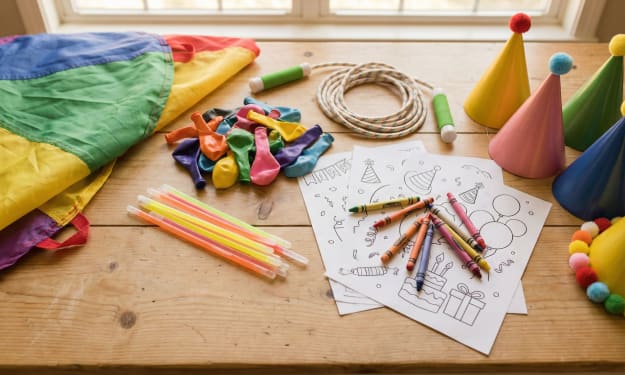
12 Birthday Party Activities for Kids That Don't Require a Pinterest PhD
You don't need to spend three weeks crafting elaborate decorations or refinance your house for a bouncy castle. The best birthday party activities for kids are the ones that actually work: low prep, high chaos, maximum fun.
By Ben Robertson4 days ago in Families


Comments
There are no comments for this story
Be the first to respond and start the conversation.