
Why People Are Addicted to Coloring Pages or Coloring Books:
The Science, Psychology, and Spirit Behind the Trend

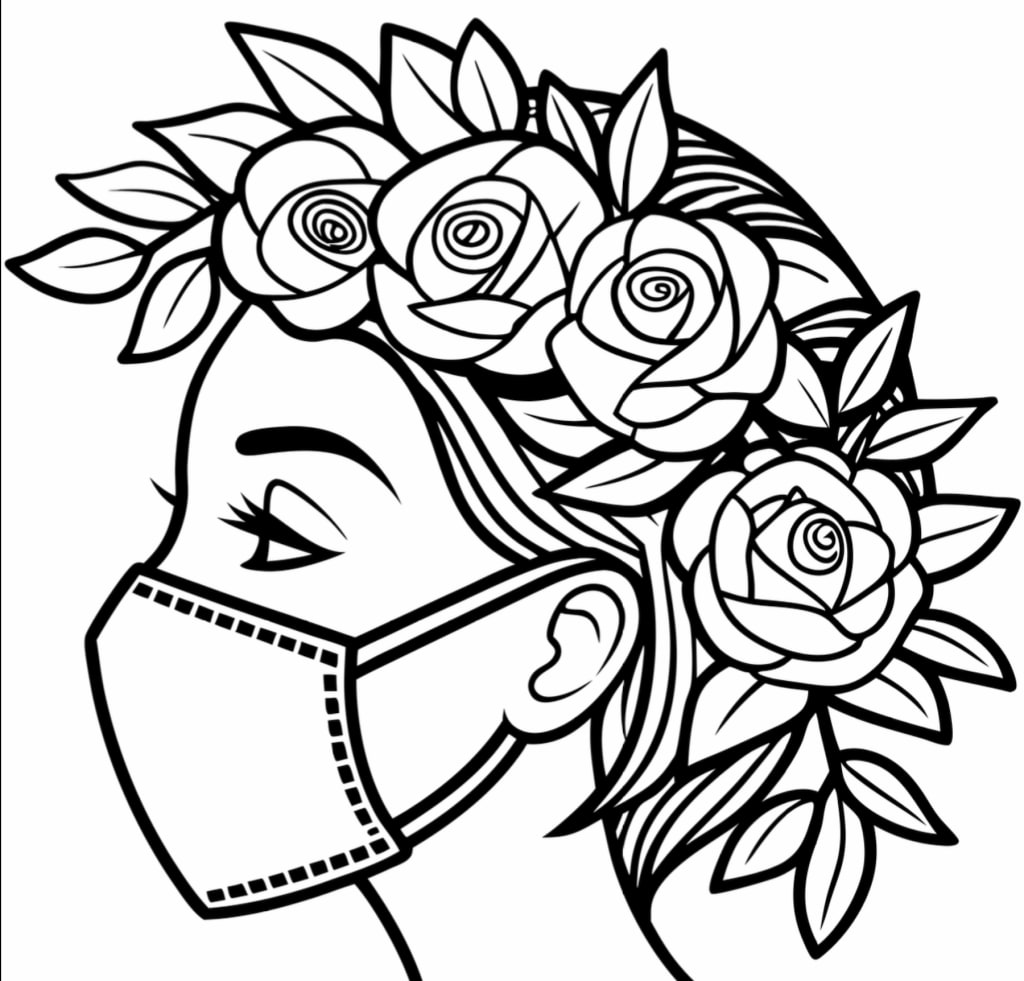
Coloring is no longer just for kids. Grown-ups all over the globe are picking up coloured pencils, markers, and gel pens, spending hours colouring in intricate mandalas, cozy scenes, or mythical animals. Bookstores have entire sections of adult colouring books, and they flood social media with gorgeously finished pages. But why are colouring activities so addictive?
To others, it may come as a surprise that this seemingly harmless activity can be so captivating to working adults who juggle technology, careers, and the responsibilities of adulthood. Yet maybe that is the secret of its power. Let us explore why coloring captivates the human mind — psychologically, emotionally, and even neurologically — and why this "addiction" is going to be good for us.
1. The Return of Childhood Joy and Nostalgia
One of the most straightforward reasons adults become addicted to coloring is nostalgia. Most people nostalgically remember sitting at a table as children, crayons scattered all over, losing themselves in a world of color. When we return to doing it as adults, it hits deep emotional memories of freedom, safety, and simplicity.
A safe time capsule
Coloring offers a brief respite from the demands of adulthood — deadlines, bills, and technological overload. It recreates the innocent play of our childhood, when our most significant decision was which crayon to use next. This bridging of the past and present provides a calming sense of familiarity, releasing feel-good hormones such as dopamine and oxytocin.
A gentle rebellion
In a world where productivity and seriousness define adulthood, coloring is a benign act of defiance. It is a statement that goes out, saying, "I want to play again." To many, this carefree mindset is addictive because it balances out the tension of being productive all the time.
2. The Neuroscience of Focus and Flow
Coloring activities are strongly linked to a psychological state called flow, a term coined by psychologist Mihály Csíkszentmihályi. Flow occurs when you're completely absorbed in an activity, losing track of time and self-consciousness. Coloring naturally invites this state because it requires concentration but not high-level cognitive effort.
How flow feels
When people color, their brain enters a meditative cadence. The repetitive motions of shading and blending activate the parasympathetic nervous system — the body's "rest and digest" reaction. Heart rate and respiration slow down, and the brain releases neurotransmitters like serotonin and endorphins.
The chemistry of calm
This neurochemical cocktail reduces stress hormones, such as cortisol, leading to actual physiological relaxation. That's also why coloring for just 20–30 minutes can actually reduce anxiety and blood pressure. The result? People feel better, so they return to coloring again and again — reinforcing a positive feedback loop that's almost addictive.
3. The Healing Potential of Mindfulness
In a world with numerous notifications and screens, coloring is one of the few analog activities that promotes mindfulness — the practice of being present. Coloring does not over-stimulate the senses or demand multitasking like digital entertainment. It is quiet, slow, and intentional.
Coloring as active meditation
When you color, your hands and eyes are busy, but your mind settles down. You focus on color choices, lines, and shading, which gently divert your attention from intrusive thoughts. This kind of mindful focus gives the brain a rest from constant mental chatter.
Studies have shown that mindfulness exercises can reduce symptoms of anxiety and depression. Coloring activity is a form of "meditation with pencils," delivering the similar advantages of calm and clarity without requiring elaborate training or discipline. For those who find past traditional meditation elusive, coloring always offers a more accessible gateway to inner peace.
4. The Creative Freedom Without Pressure
Many people inwardly desire to be creative but are thwarted by self-doubt or perfectionism. Coloring provides a safe format where creativity can thrive without judgment.
The structure of freedom
The lines are already drawn, so there is no need to start from scratch. Within those lines, colorists can experiment with color, texture, and blending to their heart's desire. This balance of structure and freedom is so satisfying. It allows adults to get back in touch with their creative spirit without fearing "failing."
Art without art school
Not everyone can paint like Van Gogh or sculpt like Michelangelo — but anyone can color. Coloring democratizes creativity. The joy of watching a black-and-white pattern turn into a colorful piece of art gives people a sense of pride and accomplishment, even if they don't consider themselves artistic.
This kind of self-validating experience can become addicting in the best of ways — a steady source of pride and empowerment.
5. The Rise of Coloring as Stress Therapy
The modern world is full of chronic stressors — from financial worries to information overload. Coloring offers a simple, drug-free way of self-soothing.
Psychological decompression
Coloring has gained popularity among therapists and wellness coaches as a means to manage stress. By focusing on the repetitive action of coloring, the mind shifts back from the "fight or flight" state to one of greater balance and calm.
Visual journaling of emotion
Others choose colors intuitively. As time passes, their color choice can reflect mood changes — vibrant colors on good days and subdued colors on bad days. Coloring is, therefore, also a way of emotional expression, enabling individuals to process emotions that might be difficult to verbalize.
The combination of therapy and creativity makes it a powerful emotional release, which is why the majority of colorists describe the activity as addictive peace.
6. The Social and Community Aspect
While coloring can be a more solitary or enjoyable activity, it has also evolved into a regular community movement. Online forums, competitions, local classes, and coloring groups have transformed this once-private hobby into a social obsession.
Online coloring communities or groups
Facebook, Instagram, and Reddit groups feature thousands of colorists who share their finished colored pages, exchange tips, and consistently encourage one another. The sense of groups fuels more motivation and regularity.
Connection rather than competition
Unlike most creative hobbies, coloring groups are communal, not competitive. Participants welcome each other's color selections and shading styles. This empathy fosters a friendly and welcoming environment — a refreshing escape from the often vicious online community. People come for the art, but they stay for the friendship.
7. The Digital Detox Effect
We pass so much of our lives gazing at screens — phones, computers, televisions — assaulted by blue light and notifications. Coloring is a screen-free, tactile experience that allows individuals to re-engage with the physical world.
A sensory reboot
Coloring reactivates the senses: the texture of the paper, the scent of crayons, the quiet scratch of pencils. Such uncomplicated sensory joys activate the brain's reward centers, making us more present in the moment.
Analogue peace in a digital storm
Some use coloring as a form of "digital detox." It's not just relaxation — it's about reclaiming focus and attention from screens. The more burdened a person is by constant online presence, the more soothing coloring becomes. This contrast is why people often crave it daily — it fills a deep sensory void in digital life.
8. The Aesthetic and Collectible Appeal
Don't overlook the allure of the coloring supplies themselves. For many addicts, part of the draw is the gear — the box of colored pencils, markers, and gel pens neatly organized by hue.
The joy of art supplies
Looking for or preparing coloring materials can be a form of self-care itself. There is satisfaction in sorting pencils, experimenting with combinations, or collecting limited-edition hues. The activity provides a reward to the brain by anticipating and finding.
Developing a personal gallery of art
Each completed coloring page is a success — a minor masterpiece. Colorists build a personal portfolio of their emotional and artistic journey over time. Looking at finished pages reinforces pride and motivates them to color more, strengthening the engagement cycle.
9. The Mental Health Benefits Behind the Habit
Addiction has a negative implication, but with coloring, the word is more of a positive habit loop. People feel better after coloring because it fulfills a multitude of mental health needs simultaneously.
Stress and anxiety relief
Several studies suggest that coloring mandalas or geometric patterns can be highly effective at reducing anxiety levels. The repetitive patterns provide the mind with something predictable and rhythmic to focus on, thereby soothing racing thoughts.
Emotional regulation
Coloring gives individuals control over color choice, blending, and shape — at a time when so much of life appears to be out of control. This sense of power can be therapeutically psychological, particularly for stressed or grieving people.
Mind-body integration
In coloring, an individual's hands, eyes, and brain are synchronized, which increase coordination and sharpens motor skills. The synchronization of movement and concentration fosters a meditative mind-body connection, a foundation of emotional well-being.
10. The Role of Contemporary Coloring Book Themes
The range of themes in coloring books on offer today has contributed to the phenomenon. With everything from fantastical towns to mandalas, fantasy animals, snug interiors, and even pop culture figures, there's something for all tastes and moods.
Escapism through art
Coloring books are gateways to other realms. A "Cozy Cabin" page transports you to a winter mountain retreat, and a "Floral Dreamscape" to springtime serenity. These virtual escapes offer mental respites from everyday stress.
Personal identity through theme
Some are attracted to nature scenes to feel grounded, while others prefer gothic, tattoo, or fantasy whimsy themes that express individuality. Choosing specific coloring genres allows adults to establish their aesthetic identity — another type of self-expression that is pleasing and routine-establishing.
11. The Role of Routine and Ritual
Coloring becomes part of an everyday self-care routine, similar to yoga or journaling. The ritual itself reinforces the "addiction," but in a positive way.
The calming rhythm of ritual
The majority of colourists make time each night to colour, often while enjoying music or a cup of tea. The repetitive behavior builds psychological comfort. The brain begins to associate coloring with feelings of safety, relaxation, and pleasure, thereby reinforcing the desire to continue the activity.
Consistency as treatment
Activity routines, such as coloring, can provide a sense of stability and comfort during times of change, loss, or emotional turmoil. Having something steady to look forward to can help normalize one's mood and provide a sense of control — essential elements of psychological resilience.
12. Coloring Activities and the Modern Mental Landscape
The resurgence of coloring also reflects the broader cultural moment. Currently, we're living in a more high-speed, high-stimulation era where burnout, anxiety, and digital fatigue are the norm. Coloring redresses that craziness.
The anti-burnout antidote
Modern daily life encourages constant achievement, scrolling, and comparison. Coloring, meanwhile, offers no competition, no deadlines, and no algorithm — just calming creativity. It's active rest, not passive distraction.
The craving for tactile authenticity
In a virtual world of intangible experiences, coloring remains a physical activity. The scratch of a pencil on paper brings people back to their embodied senses, grounding them in the corporeal now. That fleshly integrity is what renders it deeply gratifying — and easy to crave time and time again.
13. Coloring as a Path to Self-Discovery
Beneath the entertainment and recreation lies something more profound: self-discovery. Our favorite colors and the pages we are drawn to can reveal details about our personality, temperament, and inner space.
Communicating the unspoken
For some, coloring activity is an unconscious means of communication. The tense individual might be attracted to soothing blues, while the revved-up person might reach for scorching reds. In time, colorists might become aware of these tendencies and discover their emotional patterns.
The coloring mirror
Psychologists note that creative activity helps merge thinking and feeling, fostering self-awareness. Coloring isn't decoration anymore — it's contemplation with color and form. That awareness can be a life-altering experience, leaving people more centered and emotionally stable.
14. The Subtle Role of Dopamine and Reward
Let's return to the biology of addiction — a good one this time. Each section of a coloring page that is completed gives the brain a small reward: a sense of accomplishment and satisfaction. This triggers the release of a few dopamine, the neurotransmitter associated with pleasure and motivation.
Small wins, big rewards
As coloring offers many small goals — finishing one flower, graduating one sky — it creates a steady stream of dopamine hits. These micro-gratifications help maintain motivation levels and promote regularity. Slowly but surely, the brain begins to crave that pleasant sensation of progress, the same as with puzzles or handicrafts.
A positive addiction
Unlike social media or gaming addictions, coloring has no adverse side effects. Instead, it encourages mindfulness, patience, and self-expression. In that sense, coloring is a strange kind of "addiction" that nourishes instead of draining.
15. The Universal Human Need for Beauty
Lastly, coloring speaks to an ancient human urge: the need to create and live in the midst of beauty. Whether decorating a cave wall or coloring within a mandala, humans are wired to create with color and design.
A spiritual connection
Color has symbolic and emotional meaning in most cultures — it's joy, peace, or transformation. Coloring taps into that ancient impulse to use art as a means of emotional or spiritual release. For some, the practice even feels sacred, like designing a personal peace mandala.
Beauty as therapy
In an often cruel world, coloring reminds us that beauty still exists — and we can create it with our own hands. That awareness alone can be addictive in the best therapeutic way possible.
Final Thoughts: Addiction or Awakening?
Referring to coloring as an "addiction" makes it sound like a bad thing, but in reality, it's more like a therapeutic habit. It's a behavior that satisfies several psychological needs — attention, creativity, relaxation, nostalgia, and connection — simultaneously.
Coloring doesn't merely pass time; it restores it. It transforms blank moments into meaningful ones. It serves as a reminder that slowing down, experimenting with color, and nurturing creativity are not luxuries—they are integral parts of what it means to be human.
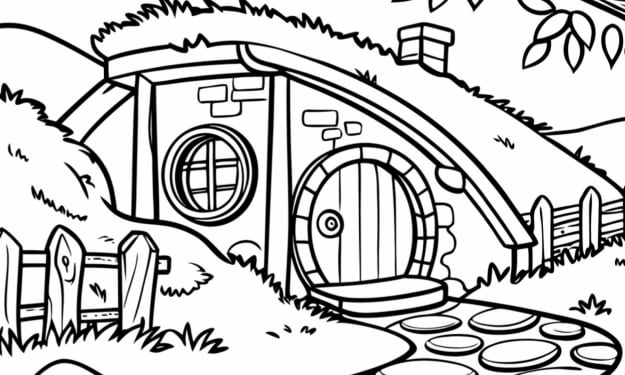
So the next time you find yourself spending hours coloring in a charming cottage or intricate mandala, don't stress about being "addicted." You're simply feeding your mind, soothing your nerves, and re-familiarizing yourself with the simple joy of creating — one color at a time.
About the Creator
Shenal Jay
All about Free Coloring Pages and Learning Materials (Pre-K to 5th)
For free download
Visit
https://freecoloringpagepro.com/
Or
https://www.patreon.com/FreeColoringPagesPro
Keep reading
More stories from Shenal Jay and writers in Families and other communities.
How Can You Create a Relaxing Coloring Environment at Home?
In our fast paced digital world, finding simple ways to slow down and reconnect with ourselves has become essential. One of the most delightful and accessible methods of relaxation is coloring. It's no longer just for kids , adults across the globe are discovering the soothing benefits of picking up a set of pencils and letting color flow onto paper.
By Shenal Jay3 months ago in Families
The Two Seeds: Why Love Heals and Hate Only Destroys
In 2026, the world moves faster than ever. We scroll through opinions, arguments, headlines, and outrage before we even finish our morning coffee. Everyone has something to say. Everyone has something to defend.
By Adil Ali Khan2 days ago in Families



Comments
There are no comments for this story
Be the first to respond and start the conversation.