
Canada Solar Energy Market set to soar to USD 14.5 GW |CAGR 6.93%
The Canada solar energy market is experiencing steady growth driven by increasing investments in renewable energy, supportive government policies, and rising demand for clean power solutions. As Canada moves toward its net-zero emissions goals, solar energy is becoming a critical component of the national energy mix.
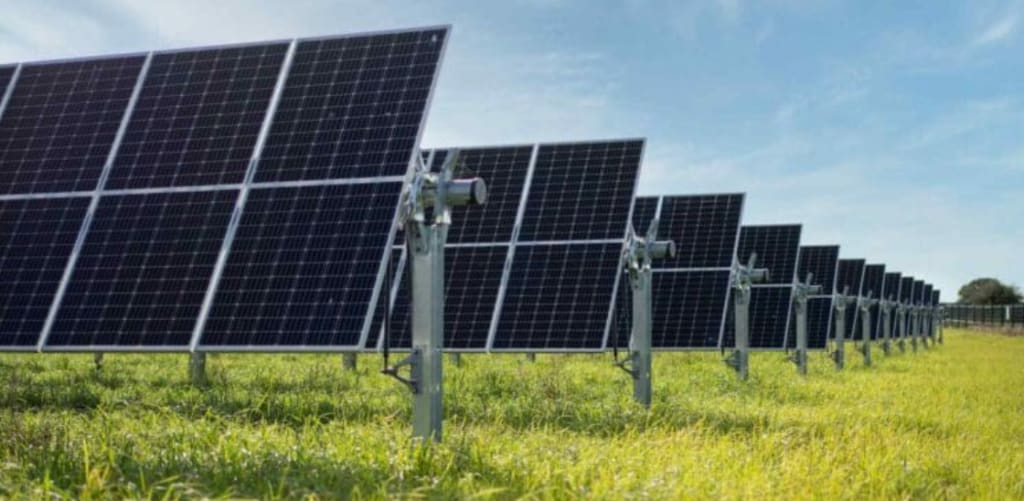
Canada Solar Energy Report Overview
Market Overview
Canada’s solar energy sector has evolved significantly over the past decade. Traditionally dependent on hydroelectric power, the country is now diversifying its renewable portfolio by expanding solar capacity. Although Canada’s northern climate presents seasonal sunlight challenges, advancements in photovoltaic (PV) technology have improved energy efficiency even in colder environments.
The market includes grid-connected utility-scale solar farms, commercial installations, and residential rooftop systems. Government initiatives such as carbon reduction targets, clean energy incentives, and provincial renewable energy programs have accelerated solar adoption.
Ontario – Historically the largest solar market due to early feed-in tariff programs
Alberta – Rapidly growing utility-scale solar projects
British Columbia – Increasing residential and community solar initiatives
As Canada transitions toward a cleaner energy framework, solar energy is positioned as a major contributor to long-term sustainability.
Market Trends
1. Rising Investment in Utility-Scale Solar Projects
Large-scale solar farms are expanding across Alberta and other provinces where land availability and favorable regulations encourage renewable development. Utility projects contribute significantly to total installed capacity.
2. Growth in Residential Solar Adoption
Homeowners are increasingly installing rooftop solar systems to reduce electricity bills and lower carbon footprints. Net metering programs and federal incentives are improving affordability.
3. Declining Solar Technology Costs
The cost of photovoltaic modules and energy storage systems has steadily declined, making solar installations more accessible to households and businesses.
4. Integration with Energy Storage Solutions
Battery storage systems are becoming more common, allowing consumers and utilities to store excess solar energy for use during peak demand or low sunlight periods.
5. Corporate Sustainability Commitments
Businesses are investing in on-site solar systems to meet environmental, social, and governance (ESG) goals and reduce long-term operating costs.
6. Policy Support and Carbon Reduction Targets
Canada’s commitment to achieving net-zero emissions by 2050 is driving renewable energy investment, including tax credits, grants, and provincial-level clean energy programs.
Key Insights
Solar capacity in Canada continues to grow annually as renewable energy demand rises.
Alberta has emerged as one of the fastest-growing provinces for solar installations.
Residential solar demand is increasing due to higher electricity prices and environmental awareness.
Energy storage integration is improving reliability and efficiency.
Long-term policy support remains a major driver of market stability.
Market Segmentation
The Canada solar energy market can be segmented by application, technology, and end user:
By Application
- Utility-Scale Solar – Large projects supplying electricity directly to the grid
- Commercial & Industrial (C&I) – Rooftop and on-site solar systems for businesses
- Residential Solar – Home-based rooftop installations
By Technology
- Photovoltaic (PV) Systems – Dominant technology used for electricity generation
- Concentrated Solar Power (CSP) – Limited adoption compared to PV
By End User
- Residential Consumers
- Commercial Enterprises
- Government & Public Sector
- Utilities & Energy Developers
Competitive Landscape:
The market research report has also provided a comprehensive analysis of the competitive landscape. Competitive analysis such as market structure, key player positioning, top winning strategies, competitive dashboard, and company evaluation quadrant has been covered in the report. Also, detailed profiles of all major companies have been provided.
Conclusion
The Canada solar energy market is positioned for sustained long-term growth as the country strengthens its renewable energy strategy. Driven by supportive government policies, technological advancements, and rising environmental awareness, solar energy is becoming an essential part of Canada’s clean power transition.
FAQs
Q1: What is driving growth in the Canada solar energy market?
A: Government incentives, rising electricity costs, carbon reduction commitments, and declining technology prices are key growth drivers.
Q2: Which provinces lead in solar adoption?
A: Ontario historically led installations, while Alberta is currently experiencing rapid expansion in utility-scale solar projects.
Q3: Is solar energy viable in Canada’s climate?
A: Yes. Modern photovoltaic systems operate efficiently even in cold climates, and snow reflection can sometimes improve panel performance.
Q4: How is energy storage impacting the market?
A: Battery storage improves grid stability and allows excess solar power to be stored for later use, increasing system reliability.
Q5: What is the future outlook for the market?
A: The market is expected to grow steadily as Canada advances toward renewable energy targets and invests further in clean energy infrastructure.
About the Creator
Keep reading
More stories from Ashutosh Srivastava and writers in Feast and other communities.
Canada Cybersecurity Solutions Market: Key Trends and Industry Insights | USD10.3 Billion
Market Overview The Canada cybersecurity solutions market represents a rapidly evolving segment within the country’s broader IT and digital economy. With financial services, healthcare, retail, manufacturing, and public sector institutions digitizing operations, cybersecurity has shifted from being an optional IT function to a core business priority.
By Ashutosh Srivastavaa day ago in Critique
How to Navigate Fine Dining Etiquette in Singapore
Singapore is known for its diverse culinary scene, offering everything from world-class hawker fare to exquisite fine dining experiences. Whether you’re dining at a Michelin-starred restaurant or an elegant hotel establishment, understanding proper dining etiquette can elevate your experience and ensure you leave a lasting impression. Here’s a guide to navigating fine dining etiquette in Singapore with confidence.
By ameliarosanna6 days ago in Feast




Comments
There are no comments for this story
Be the first to respond and start the conversation.