
Exploring the Delicious World of Vietnamese Rice Paper: A Culinary Journey
Vietnamese Rices Paper
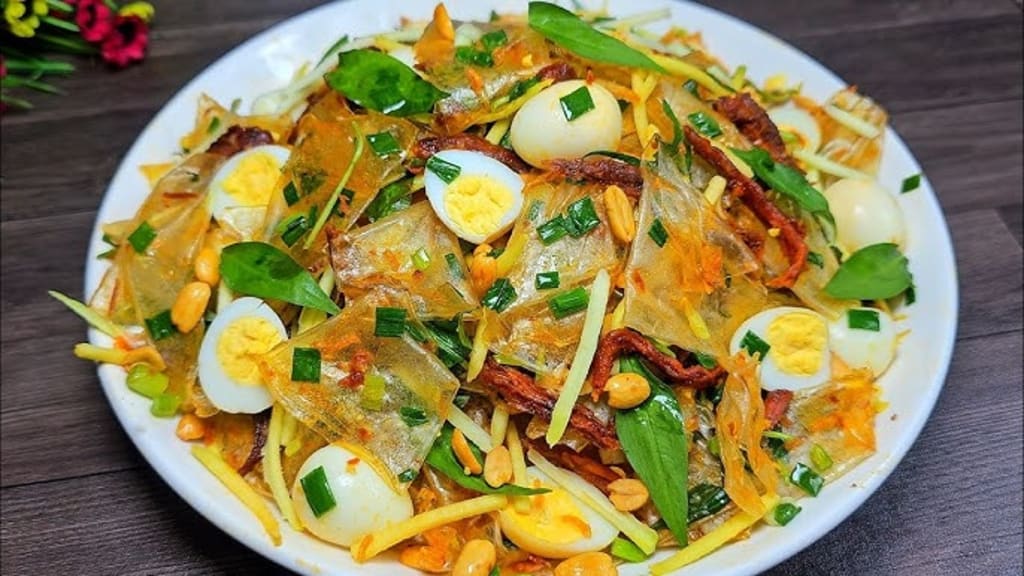
Exploring the Delicious World of Vietnamese Rice Paper: A Culinary Journey
When it comes to Vietnamese cuisine, one ingredient stands out for its versatility, simplicity, and ability to elevate various dishes: rice paper. With its delicate texture and unique properties, rice paper is a key component in many iconic Vietnamese dishes, from fresh spring rolls to savory salads. In this article, we explore the world of Vietnamese rice paper, its various forms, and how it plays a pivotal role in creating dishes that are not only delicious but also steeped in tradition.
The Versatility of Vietnamese Rice Paper
Rice paper, also known as bánh tráng in Vietnamese, is a thin, translucent sheet made primarily from rice flour and water. Its simplicity belies its complexity, as rice paper can be used in a wide array of ways in the Vietnamese culinary world. It serves as the foundation for iconic dishes like GOI CUON (fresh spring rolls), nem rán (fried spring rolls), and even savory salads like gỏi khô bò (dried beef salad with rice paper).
The versatility of rice paper extends beyond its use in these well-known dishes. It can be used to wrap, roll, or even fry, providing a satisfying crunch when cooked or a refreshing softness when used in fresh preparations. The possibilities are endless, which is part of the charm of this humble ingredient.
Fresh Spring Rolls: A Light, Refreshing Delight
One of the most famous dishes using rice paper is GOI CUON, or fresh spring rolls. These rice paper rolls are typically filled with fresh herbs, vermicelli noodles, shrimp, pork, and sometimes even tofu. The rice paper serves as the perfect wrapper, holding all the ingredients together while maintaining a delicate yet slightly chewy texture.
What sets GOI CUON apart from other spring rolls is its refreshing taste. The freshness of the ingredients, combined with the subtle crunch of the rice paper, makes for a light yet flavorful snack or appetizer. Often served with a dipping sauce made from hoisin, peanut, or fish sauce, fresh spring rolls are a harmonious blend of flavors, textures, and temperatures. The ability to customize the fillings, whether with meats, seafood, or vegetarian options, makes it a dish enjoyed by people from all walks of life.
Fried Spring Rolls: Crispy, Golden Perfection
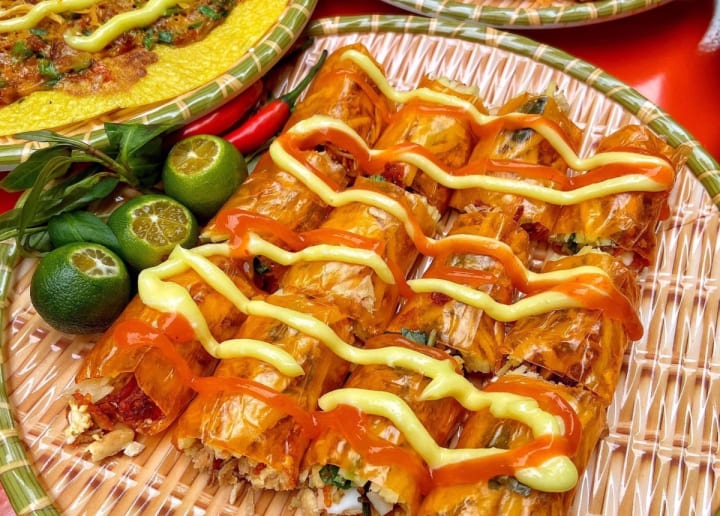
While fresh spring rolls highlight the softness and transparency of rice paper, nem rán or fried spring rolls show off its ability to transform when crisped to perfection. The rice paper used for frying turns golden brown and crisp on the outside, encasing a flavorful filling of minced meat, mushrooms, vermicelli noodles, and vegetables. The contrast between the crunchy exterior and the tender, savory filling is a sensory delight.
Fried spring rolls are often served as a part of larger Vietnamese meals, accompanied by herbs, lettuce leaves, and a dipping sauce. The rice paper's role here is not just to contain the ingredients but to enhance the overall texture of the dish. Each bite provides a satisfying crunch that gives way to the warm, flavorful filling inside.
Rice Paper Salads: A Bold, Tangy Twist
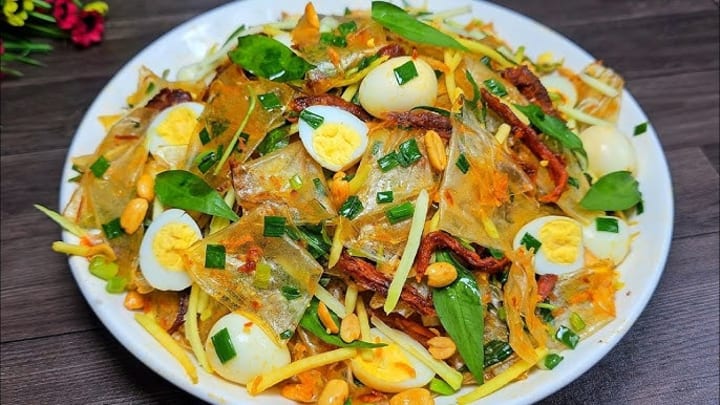
One lesser-known but equally delicious application of rice paper is in gỏi, or Vietnamese salads. Rice paper is often torn or shredded and used as a component in salads, adding an unexpected layer of texture. One popular dish that incorporates rice paper in this way is gỏi khô bò, a dried beef salad with rice paper.
In this dish, rice paper is shredded into thin strips and mixed with fresh herbs, vegetables like carrots and green beans, and tangy sauces made from lime juice, fish sauce, and sugar. The dried beef, often thinly sliced and marinated, adds a savory and chewy contrast to the fresh vegetables and the crunchy rice paper. The result is a salad that is bold, tangy, and full of flavor, with the rice paper offering both texture and visual appeal.
Rice Paper and Regional Variations
While rice paper is a common ingredient throughout Vietnam, its usage can vary by region. In the northern parts of Vietnam, rice paper is used more in fresh rolls or as an accompaniment to dishes like bánh cuốn, a type of steamed rice roll. In central and southern Vietnam, rice paper is often deep-fried or used in savory dishes like salads, where the texture is highlighted.
In the south, the use of rice paper in gỏi is particularly popular, where it can be paired with a variety of proteins such as shrimp, beef, or chicken. The southern regions are also known for their more robust and sweet sauces, which complement the neutral flavor of rice paper and enhance the overall dish.
How to Make Rice Paper Dishes at Home
Creating dishes with rice paper at home can be an enjoyable and rewarding experience. Fresh spring rolls, for example, are easy to assemble once you have the ingredients ready. Simply soak the rice paper in warm water until it softens, then layer your fillings—whether shrimp, pork, vermicelli noodles, and herbs—onto the rice paper and roll it up tightly.
For fried spring rolls, the process begins by preparing the filling, typically involving a mix of ground pork, mushrooms, and noodles. The rice paper is then used to wrap the mixture, which is deep-fried to achieve a crispy texture. Pair the fried rolls with a dipping sauce, such as a sweet and sour hoisin-peanut sauce, for an added punch of flavor.
If you're feeling adventurous, you can experiment with making gỏi khô bò, which requires shredding rice paper into strips and mixing it with dried beef and vegetables. The dish is often finished with roasted peanuts and a drizzle of tangy dressing to tie everything together.
The Beauty of Rice Paper: A Symbol of Vietnamese Cuisine
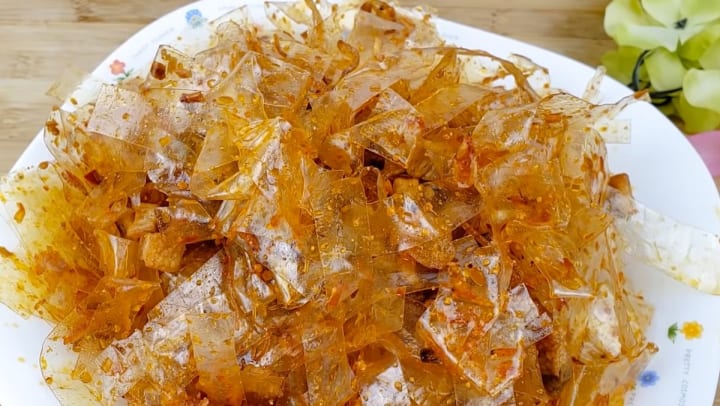
Rice paper is more than just an ingredient; it is a symbol of the simplicity, balance, and ingenuity found in Vietnamese cuisine. Whether it is used as a delicate wrap for fresh ingredients or as a crispy shell for savory fillings, rice paper has a way of elevating the dishes it graces. Its lightness allows the natural flavors of the other ingredients to shine, while its texture provides a satisfying contrast.
From the fresh, delicate rolls to the deep-fried crispiness, rice paper showcases the flexibility of Vietnamese cooking. It bridges the gap between different textures, flavors, and cooking techniques, making it a versatile ingredient loved by many. For anyone looking to explore the authentic flavors of Vietnam, dishes made with rice paper are a must-try.
Conclusion
Vietnamese rice paper is one of the most versatile and essential ingredients in the country's cuisine. It serves as the foundation for a wide range of dishes, from fresh spring rolls to crispy fried rolls and savory salads. Its ability to transform in texture—whether soft and chewy or crisp and golden—allows it to take on many forms, offering a unique culinary experience in every bite. Rice paper is not just a wrapper but a key element that ties together the rich and diverse flavors of Vietnamese food.
About the Creator
Keep reading
More stories from writers in Feast and other communities.
8 Things You Should Never Order at Restaurants (Unless You Love Food Regret)
Let’s be honest, when we go to a restaurant, we’re not just eating. We’re investing in an experience. We want the best-tasting dish, the one we’ll remember for days. Because of food regret? That’s real. And it lingers.
By Areeba Umair3 days ago in Feast
Mile-High Noodles: The Best Ramen Spots in Denver
For some reason, there has been a lot of chatter about Denver's food scene online - or rather, the perceived lack thereof. As a Colorado native, I will admit that there are pockets of Denver that lack in options and there are a lot of breweries clouding the restaurant scene, but you can find good food in Denver. I've traveled around the United States quite a bit and honestly I think Denver has some great options, especially when it comes to Asian cuisine. You just need to know where to look.
By Jenika Enochabout 14 hours ago in Feast


Comments
There are no comments for this story
Be the first to respond and start the conversation.