
Frozen Blueberries Recalled: What Families Need to Know
You open your freezer to grab a handful of blueberries for a smoothie. It is part of your routine. Maybe you add them to oatmeal for your child before school.

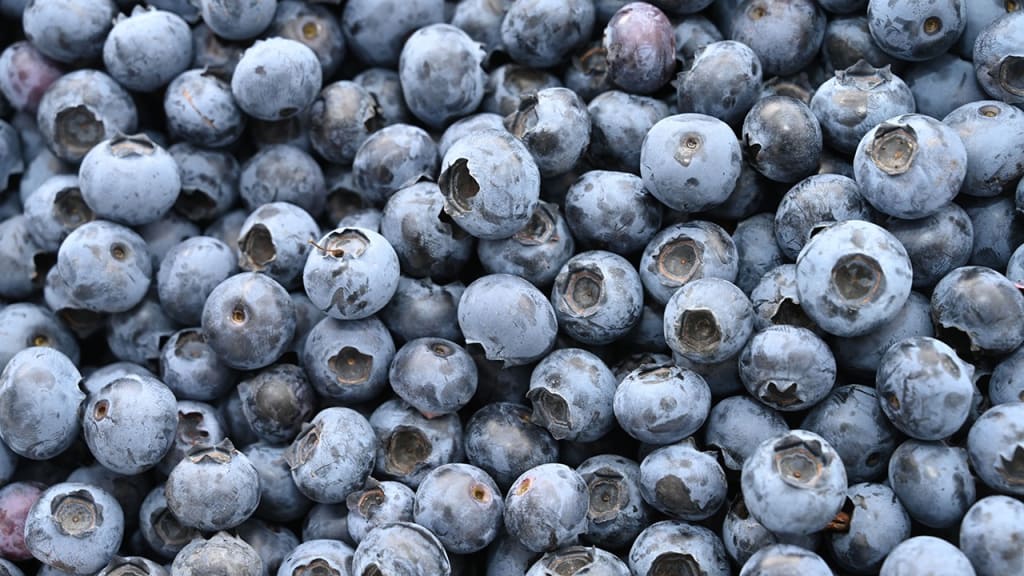
You open your freezer to grab a handful of blueberries for a smoothie. It is part of your routine. Maybe you add them to oatmeal for your child before school. Maybe you bake them into weekend muffins. Frozen fruit feels safe. It feels simple. But then you see the headline: frozen blueberries recalled. Suddenly, that bag in your freezer does not feel harmless anymore. Questions rush in. Are they safe to eat? What brands are involved? What should you do next? Food recalls can be unsettling, especially when they involve everyday items. This article explains why frozen blueberries recalled announcements happen, what risks are involved, and how to protect yourself and your family without panic.
Why Frozen Blueberries Get Recalled
When frozen blueberries recalled notices appear, they usually involve contamination concerns.
The most common reason is potential bacterial contamination. This can include pathogens such as listeria or hepatitis A.
Blueberries are often harvested in large batches. During picking, washing, or packaging, contamination can occur if safety protocols fail.
Because frozen fruit is distributed widely, a single issue at one facility can affect many stores and states.
Unlike fresh fruit that spoils quickly, frozen blueberries can remain in freezers for months. That makes recall notices especially important.
People may not remember when they bought the product. They may not check the brand carefully before using it.
This is why health authorities move quickly when frozen blueberries recalled warnings are issued.
Understanding the Health Risks
When frozen blueberries recalled alerts are connected to bacteria, the health risks depend on the type of contamination.
Listeria
Listeria is a bacteria that can cause serious illness, especially in pregnant women, older adults, and people with weakened immune systems.
Symptoms may include fever, muscle aches, nausea, and diarrhea.
In severe cases, it can lead to complications like meningitis.
The danger with listeria is that symptoms can appear days or even weeks after consuming contaminated food.
Hepatitis A
Hepatitis A is a virus that affects the liver.
It can spread through contaminated food and water.
Symptoms may include fatigue, stomach pain, jaundice, and loss of appetite.
While many people recover fully, it can be serious for certain individuals.
When frozen blueberries recalled news mentions hepatitis A, health officials usually advise anyone who consumed the product to monitor symptoms and possibly consult a doctor.
Understanding these risks helps explain why frozen blueberries recalled announcements receive strong attention.
How Recalls Are Announced
Food recalls in the United States are often announced by the Food and Drug Administration or the Centers for Disease Control and Prevention.
When frozen blueberries recalled statements are issued, they usually include:
The brand name
The lot number
The expiration date
The states where the product was sold
Consumers are advised not to eat the product.
Instead, they should throw it away or return it to the store.
These announcements are shared through news outlets, official websites, and sometimes social media.
However, not everyone sees them immediately.
That is why staying informed matters.
What To Do If You Have Recalled Blueberries
If you discover that frozen blueberries recalled notices apply to a bag in your freezer, do not panic.
First, confirm the brand and lot number.
If it matches the recall notice, avoid opening or tasting the product.
Place it in a sealed bag and dispose of it carefully. Wash your hands afterward.
Clean any surfaces that may have come into contact with the product.
If you already consumed the blueberries, monitor your health.
If symptoms appear, contact a healthcare provider and mention the recall.
Most people who consume small amounts of contaminated food do not develop serious illness.
But awareness is important.
Why Frozen Fruit Is Not Immune to Risk
Many people assume frozen fruit is safer than fresh produce.
Freezing does slow bacterial growth, but it does not kill all pathogens.
If contamination occurs before freezing, bacteria can survive at low temperatures.
This is why frozen blueberries recalled situations can happen even when the fruit looks normal.
Unlike meat, which is usually cooked thoroughly, frozen blueberries are often eaten without heating.
People add them directly to smoothies or yogurt.
That increases potential exposure if contamination exists.
Understanding this helps explain why safety standards in fruit processing are critical.
The Impact on Families
When frozen blueberries recalled headlines appear, families often feel anxious.
Blueberries are commonly given to children because they are seen as healthy and easy to prepare.
Parents may worry about what their child ate days ago.
It is natural to feel protective.
However, it is important to stay calm.
Recalls are issued precisely to prevent illness.
They are part of a food safety system designed to catch problems early.
If your family consumed the product and no symptoms appear, there is likely no cause for alarm.
But keeping an eye on health is wise.
How Companies Respond to Recalls
When frozen blueberries recalled notices are released, companies usually cooperate with authorities.
They may temporarily shut down production lines.
They conduct internal investigations to identify the source of contamination.
In some cases, recalls are voluntary. Companies choose to pull products out of caution.
In other cases, regulatory agencies mandate the recall.
Either way, the goal is to protect public health.
Though recalls can damage brand reputation, transparency often builds long-term trust.
Preventing Foodborne Illness at Home
While consumers cannot control factory conditions, there are steps to reduce risk at home.
Wash hands thoroughly before handling food.
Keep frozen items at the proper temperature.
Do not mix recalled products with other foods.
Clean blenders and utensils regularly, especially if using frozen fruit raw.
If you prefer extra caution, heating frozen blueberries before consumption can reduce certain bacterial risks. However, this may not apply to all pathogens.
Awareness combined with basic hygiene can lower overall risk.
How Often Do Frozen Blueberries Get Recalled
Frozen blueberries recalled incidents are not daily occurrences.
They happen occasionally, often linked to specific production batches.
Compared to some other food categories, frozen fruit is not recalled frequently.
However, when it does happen, the wide distribution means many households may be affected.
Because blueberries are grown in different regions and sometimes imported, supply chains can be complex.
This complexity increases the need for strong monitoring.
Emotional Reactions to Food Recalls
Food recalls can feel personal.
Food represents comfort and trust.
When something as simple as frozen blueberries recalled appears in the news, it can shake that trust.
People may question grocery stores or favorite brands.
Some may temporarily avoid frozen fruit altogether.
It is understandable.
But it is also important to remember that recall systems exist because safety monitoring works.
Problems are identified and addressed.
Without these systems, contamination could go unnoticed.
Media Coverage and Public Perception
When frozen blueberries recalled stories trend online, headlines can sometimes sound alarming.
Clear information is essential.
Accurate reporting helps people respond appropriately.
Sensational language, however, can create unnecessary fear.
Reading official recall notices provides clarity.
They specify the exact product and risk level.
Not every blueberry in every freezer is unsafe.
Details matter.
The Role of Supply Chains
Modern food supply chains involve multiple steps.
Blueberries may be grown on one farm, processed in another location, packaged in a different facility, and shipped nationwide.
If frozen blueberries recalled announcements involve contamination, the source could be at any stage.
Improper sanitation.
Contaminated water.
Cross contact with other foods.
Each step carries responsibility.
Food safety depends on careful handling throughout the chain.
Long Term Food Safety Improvements
Every frozen blueberries recalled event prompts investigation.
Companies and regulators review procedures.
They may update cleaning protocols or testing requirements.
Over time, these adjustments improve overall safety.
Food safety standards today are stronger than decades ago because of lessons learned from past incidents.
Recalls are not signs of total failure.
They are part of an ongoing effort to reduce risk.
How Consumers Can Stay Informed
To respond quickly to frozen blueberries recalled news, consider simple habits.
Check recall alerts periodically through trusted sources.
Register products when possible if manufacturers offer that option.
Pay attention to brand names and lot numbers.
Keep grocery receipts for large purchases.
These small steps make it easier to act if a recall affects your household.
Should You Stop Buying Frozen Blueberries
After hearing frozen blueberries recalled announcements, some consumers consider avoiding them altogether.
But frozen fruit remains a convenient and nutritious option.
Blueberries are rich in antioxidants, fiber, and vitamins.
Recalls involve specific batches, not entire categories.
Instead of avoiding frozen fruit entirely, focus on staying informed.
Most products remain safe.
Balanced caution is healthier than fear.
Final Thoughts on Frozen Blueberries Recalled
Hearing frozen blueberries recalled can feel unsettling.
It interrupts routine and raises concerns about safety.
But recalls are part of a system designed to protect consumers.
They show that monitoring works.
By checking labels, staying informed, and following guidance, families can respond calmly and responsibly.
Frozen blueberries are a staple in many kitchens for good reason.
When handled safely, they remain a valuable part of a healthy diet.
The key is awareness, not panic.
If a recall affects you, take the recommended steps.
If not, continue enjoying your meals with confidence, knowing that safety measures exist to catch problems before they spread further.
About the Creator
Muqadas khan
Hi! Welcome to my Vocal page. I’ll be sharing fresh articles every day covering stories, ideas, and a bit of inspiration to brighten your feed. Thanks for reading and supporting daily writing! 📖💫
Keep reading
More stories from Muqadas khan and writers in Feast and other communities.
National Pizza Day: Why One Simple Slice Means So Much
Pizza has a way of showing up when life feels heavy and when it feels worth celebrating. It is there after long days, during late-night talks, at family tables, and in quiet moments alone. That is why National Pizza Day feels less like a food holiday and more like a shared pause. It invites people to remember comfort, routine, and small joy. Whether it is a folded slice eaten on the street or a homemade pie cooling on the counter, pizza carries memory with it. This article explores National Pizza Day not as a marketing moment, but as a cultural habit. We will look at where it came from, why people care, and how a simple slice became something so deeply emotional.
By Muqadas khan18 days ago in Feast
Freeze-Dried Powder Microgreens: The Complete Guide to Nutrient-Dense Greens
Getting enough fresh vegetables into your daily routine can be harder than it sounds. Busy schedules, travel, and reliance on convenience foods often mean leafy greens get overlooked. Freeze-dried microgreens powder offers a practical way to bridge that gap. Produced from young vegetable greens harvested at peak nutritional value, these powders provide a concentrated source of vitamins, minerals and antioxidants in a format that is simple to store and use.
By Emily Jones3 days ago in Feast
Staying sane in the insane world.
”It is no measure of health to be well adjusted to a profoundly sick society.” Jiddu Krishnamurti This quote has been one of my favourites since the moment I first laid my eyes on it. To me, it cuts right through the fog of the illusion of normality that permeates our lives. And since I am someone who has never felt (well) adjusted to this society, Krishnamurti’s words gifted me with the realisation that there isn’t anything inherently wrong with me.
By Eva Smitteabout 11 hours ago in Humans



Comments
There are no comments for this story
Be the first to respond and start the conversation.