
Health Benefits of Sticky Rice: What You Need to Know
Discover the Nutritional Benefits of Sticky Rice for Better Health
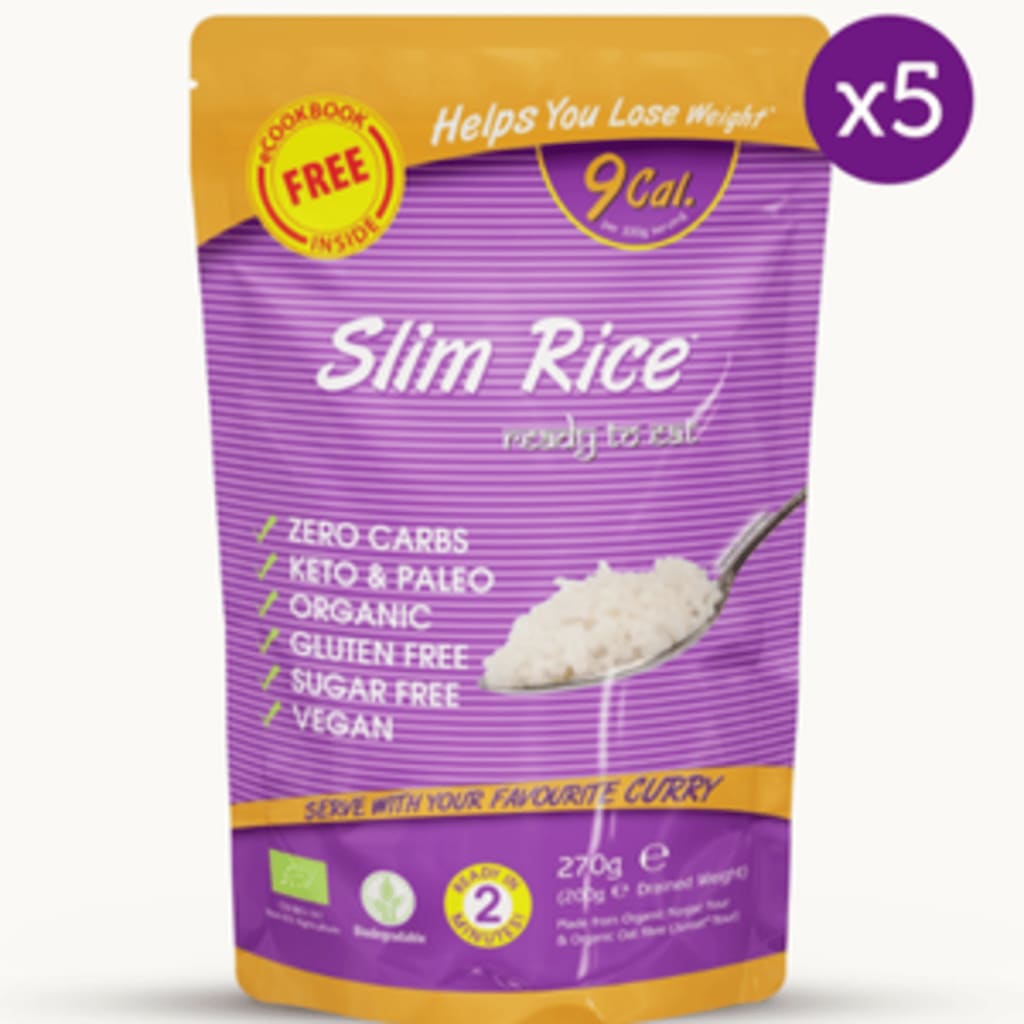
Sticky rice, also known as glutinous rice, is a staple in many Asian cuisines. Beyond its delightful texture and flavor, sticky rice offers numerous health benefits. In this blog, we will explore the various advantages of incorporating sticky rice into your diet, and how it can complement other healthy food choices like low calorie noodles. Let's dive into the reasons why sticky rice is more than just a tasty treat.
Nutrient-Rich Composition
Sticky rice is packed with essential nutrients that are beneficial for overall health. It is a good source of carbohydrates, which provide the body with energy. Additionally, it contains a significant amount of vitamins and minerals, including vitamin B, iron, and magnesium. These nutrients play crucial roles in maintaining bodily functions, such as energy production, oxygen transport, and muscle function.
Digestive Health
One of the key health benefits of sticky rice is its positive impact on digestive health. It contains dietary fiber, which aids in digestion by promoting regular bowel movements and preventing constipation. Fiber also helps to maintain a healthy gut microbiome, which is essential for overall digestive well-being. Unlike some other types of rice, sticky rice is easier to digest, making it a suitable option for individuals with sensitive stomachs.
Gluten-Free Option
For those with gluten intolerance or celiac disease, sticky rice is an excellent gluten-free alternative. It can be used in various recipes, from sushi to desserts, without causing adverse reactions. This makes it a versatile ingredient for people who need to avoid gluten in their diets.
Energy Boost
Sticky rice is a great source of complex carbohydrates, which provide a steady release of energy. This makes it an ideal food for athletes or individuals with high energy demands. Consuming sticky rice can help sustain energy levels throughout the day, preventing the crashes associated with simple carbohydrate consumption.
Weight Management
While sticky rice is not typically low in calories, it can still play a role in weight management when consumed in moderation. Its high fiber content can help you feel full for longer periods, reducing the likelihood of overeating. Pairing sticky rice with low calorie noodles and other healthy foods can create balanced meals that support weight loss and maintenance efforts.
Heart Health
Sticky rice contains antioxidants, which are compounds that help protect the body from oxidative stress and inflammation. These antioxidants can reduce the risk of chronic diseases, including heart disease. Additionally, the fiber in sticky rice helps to lower cholesterol levels, further promoting cardiovascular health.
Versatility in Cooking
One of the standout features of sticky rice is its versatility. It can be used in a wide range of dishes, both savory and sweet. From traditional Asian dishes like mango sticky rice and dim sum to modern fusion recipes, sticky rice adapts well to various flavors and cooking methods. This versatility makes it easy to incorporate into a balanced diet alongside low calorie noodles and other nutritious ingredients.
Bone Health
Sticky rice is a good source of minerals like magnesium and phosphorus, which are vital for bone health. These minerals help maintain bone density and strength, reducing the risk of osteoporosis and fractures. Including sticky rice in your diet can contribute to the overall health of your skeletal system.
Blood Sugar Control
Despite being a carbohydrate-rich food, sticky rice has a moderate glycemic index. This means it does not cause rapid spikes in blood sugar levels when consumed in appropriate portions. For individuals with diabetes or those monitoring their blood sugar, sticky rice can be a suitable option when balanced with other low glycemic foods.
Tips for Incorporating Sticky Rice into Your Diet
Portion Control: While sticky rice is nutritious, it is important to consume it in moderation. Pay attention to portion sizes to avoid excessive calorie intake.
Balanced Meals: Pair sticky rice with a variety of vegetables, lean proteins, and healthy fats to create balanced meals. This ensures you get a wide range of nutrients.
Healthy Cooking Methods: Opt for steaming or boiling sticky rice instead of frying to keep the calorie content low. Avoid adding excessive amounts of sugar or fat in recipes.
Combine with Other Healthy Foods: Use sticky rice as a base for dishes that include low calorie noodles, vegetables, and lean proteins. This creates a nutritious and satisfying meal.
Experiment with Flavors: Sticky rice is versatile and can be used in both savory and sweet dishes. Experiment with different recipes and flavors to keep your meals interesting and enjoyable.
Conclusion
Sticky rice is a nutritious and versatile food that offers numerous health benefits. From aiding digestion to supporting heart health and providing sustained energy, sticky rice can be a valuable addition to a balanced diet. When combined with low calorie noodles and other healthy ingredients, it creates satisfying and nutritious meals that support overall well-being. By incorporating sticky rice into your diet in moderation and pairing it with a variety of nutrient-dense foods, you can enjoy its benefits while maintaining a healthy lifestyle.
About the Creator
Keep reading
More stories from Ellie Smith and writers in Feast and other communities.
The Nutritional Benefits of Making Tagliatelle from Scratch
While some might think all pasta tastes the same, true pasta lovers know each type has its own unique qualities. Farfalle, fettuccine, or fusilli may appear alike at first glance, but each is ideal for specific dishes. Tagliatelle (pronounced tah-lya-TELL-eh) works especially well with rich, hearty sauces. By carefully selecting your favourite ingredients or pairing tagliatelle with low calorie foods, you can turn it into a more nutritious meal.
By Ellie Smithabout a year ago in Feast
Cooking A Valentines Meal For Two
Cooking A Valentines Meal For Two Valentine’s Day has never been about restaurant tables for me. Too much noise, too much rushing, plates arriving before you have finished the last mouthful. I would rather stay home and cook. It feels more honest. If I am going to say I care about someone, I would rather show it in the way I chop onions and stir a sauce slowly, tasting as I go.I start early in the afternoon. Not because it takes hours, but because I like the quiet build up. The kitchen feels different on a day like that. I clear the counters properly, wipe everything down, put music on low. Nothing dramatic. Just something soft in the background.
By Marie381Uk 4 days ago in Feast
Taco Bell and Chef Lorena Garcia team together to create Cantina Bell menu
Some time ago taco Bell had teamed up with venezuelan Miami based gourmet Chef that is lorena Garcia and they produced the the Fantastic Cantina Bell menu and that was the first last and only time that anything remotely Gourmet had ever appeared on the menu of Taco Bell at all. It was delicious it had beautifully made guacamole and cilantro and all kinds of beautiful spices that make Latin food so beautiful and vibrant period there was a Cantina Bell Burrito comma a Cantina Bell Because among other things and quite frankly the collaboration of chef Lorena Garcia and taco Bell was fantastic and Taco Bell is one of those restaurants that likes to bring thingsBack to their menu from time to time and I feel like so many others out thereThat the Cantina BellMen you should be brought backPeriod in a way I think it had been brought back but just notWithAnything to do with sheff Lorena Garcia not that they had a falling out or anything it's just that they had a one-time collaborationThat worked out and now they can all move on with their lives and stuff in all different ways but there there it isAnd quite frankly it was a culinaryMasterpiece as well as a great culinary success for bothParties and individuals involvedPeriodI can say it's true because i ordered from it while it lasted and quite frankly I'm glad I did because it was fantastic and it was like one of those times if not one of the first times I ever got to experience truly delicious gourmet and healthy food at a place like Taco Bell and never forgotten that period when I had seen taco Bell and chef Lorena Garcia had been teaming up I thought that'd be fantastic and so from then on after seeing it every time I went toTaco Bell I would order from the menuI loved it it came with meatless ones chicken ones meat ones. AndChef LorGarciaReally is a master with guacamole and stuff she really knowsHow to make the stuff it's great.
By Revista Miko:XCI by Rikki La Rouge4 days ago in Feast


Comments
There are no comments for this story
Be the first to respond and start the conversation.