
How to Start a Food Business: A Step-by-Step Guide
Learn how to start a food business in 2025 with this step-by-step guide. Covers licenses, funding, branding, packaging, and marketing strategies.

Starting a food business can be an incredibly rewarding venture, turning your passion for culinary arts into a profitable enterprise. Whether you dream of a bustling restaurant, a cozy café, or a line of packaged goods, the journey from concept to reality involves careful planning and execution. This guide breaks down the essential steps on how to start a food business, covering everything from your initial idea to navigating the complex world of permits and regulations.
We will explore how to craft a solid business plan, understand the legal requirements like obtaining a food business license, and prepare for a successful launch. Following these steps will help you build a strong foundation for your new venture in the food industry.
Refine Your Concept and Niche
Before you can start a food service business, you need a clear and compelling concept. What kind of food will you sell? Who is your target customer? Identifying your niche is crucial for standing out in a crowded market.
Define Your Product and Service
Start by defining what makes your food special. Are you using unique family recipes, focusing on locally sourced ingredients, or catering to a specific dietary need like vegan or gluten-free? Your menu or product line should be focused and consistent. Trying to offer too many things at once can stretch your resources thin and confuse customers.
Identify Your Target Audience
Once you know what you're selling, determine who you're selling it to. Are you targeting busy professionals looking for quick, healthy lunches? Or families seeking a comfortable dinner spot? Understanding your audience will influence your branding, pricing, marketing, and even your location.
Create a Comprehensive Business Plan
A business plan is your roadmap. It outlines your goals and how you plan to achieve them. This document is essential for securing funding from investors or banks and for keeping your operations on track.
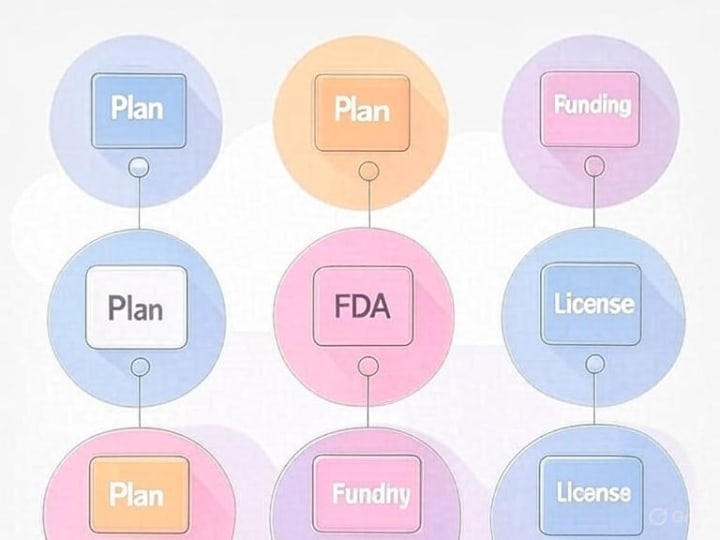
Key Components of a Food Business Plan:
- Executive Summary: A brief overview of your entire plan.
- Company Description: Details about your business, its mission, and what makes it unique.
- Market Analysis: Research on the food industry, your target audience, and your competitors.
- Organization and Management: Your business's legal structure (e.g., sole proprietorship, LLC) and details about your management team.
- Products and Services: A detailed description of what you will offer.
- Marketing and Sales Strategy: How you will attract and retain customers.
- Financial Projections: Your startup costs, funding sources, and projected revenue for the first few years.
Secure Your Funding
Opening a food business requires capital. Your business plan will help you estimate how much you need. Common startup costs include rent, kitchen equipment, licensing fees, initial inventory, and marketing expenses.
Common Funding Sources:
- Personal Savings: Using your own money is the simplest option but also the riskiest.
- Friends and Family: Loans or investments from people you know can be a great resource.
- Small Business Loans: Banks and credit unions offer loans specifically for new businesses.
- Investors: Angel investors or venture capitalists may fund your business in exchange for equity.
Navigate Legalities, Licenses, and Permits
This is often the most intimidating part of starting a business in the food industry. The requirements can be complex and vary by state, county, and city. It's crucial to do thorough research to ensure you are operating legally.
Obtain a Food Business License and Permits
Every food business needs specific licenses to operate. The first step is typically registering your business name and legal structure. After that, you'll need to apply for a food business permit from your local health department. This permit, sometimes called a food handler's license, certifies that your establishment meets safety and sanitation standards.
Common permits and licenses include:
- Business License: A general license to operate in your city or county.
- Food Service License: Specific to businesses that prepare and serve food.
- Health Department Permits: Ensures compliance with food safety regulations.
- Alcohol Beverage License: Required if you plan to serve alcoholic drinks.
Understanding FDA Food Approval
If you are creating packaged food products that will be sold across state lines, you will need to comply with federal regulations. The U.S. Food and Drug Administration (FDA) oversees the safety, labeling, and manufacturing of most food products. While the FDA does not "approve" food products in the same way it approves drugs, it sets strict guidelines that you must follow.
This includes:
- Food Facility Registration: You must register your production facility with the FDA.
- Labeling Compliance: Your product labels must include a nutrition facts panel, ingredient list, allergen warnings, and other required information.
- Good Manufacturing Practices (GMPs): You must follow standards for producing, packing, and storing your food to ensure it is safe for consumption.
Working with a food safety consultant can help ensure you meet all federal and state requirements, including the process for FDA food approval of your facility and processes.
Set Up Your Physical Space and Equipment
Whether you're opening a restaurant or a commercial kitchen for food production, your space is central to your operations.
Choose a Location
Your location should be accessible to your target audience and align with your brand. Consider foot traffic, parking, and proximity to suppliers. For a production-focused business, a commercial kitchen in an industrial area might be more cost-effective.
Design Your Kitchen and Acquire Equipment
An efficient kitchen layout is essential for smooth operations. Design a workflow that moves from receiving and storage to prep, cooking, and serving. Make a list of all necessary equipment, from large appliances like ovens and refrigerators to smaller items like pots, pans, and utensils. You can buy new or used equipment to manage costs.
Develop Your Menu and Sourcing Strategy
With your kitchen in place, it’s time to finalize your menu and build relationships with suppliers.
Finalize Your Menu and Pricing
Test your recipes thoroughly to ensure consistency and quality. Once your menu is set, you need to price your items profitably. Calculate the cost of ingredients for each dish (cost per serving) and use that to set a price that covers your overhead and generates a profit. A common rule is to aim for a food cost of around 25-35% of the menu price.
Find Reliable Suppliers
Your business is only as good as your ingredients. Find reputable suppliers who can provide high-quality products consistently and at a fair price. Building strong relationships with local farmers and producers can be a great selling point and ensure you have the freshest ingredients.
Plan Your Branding and Packaging
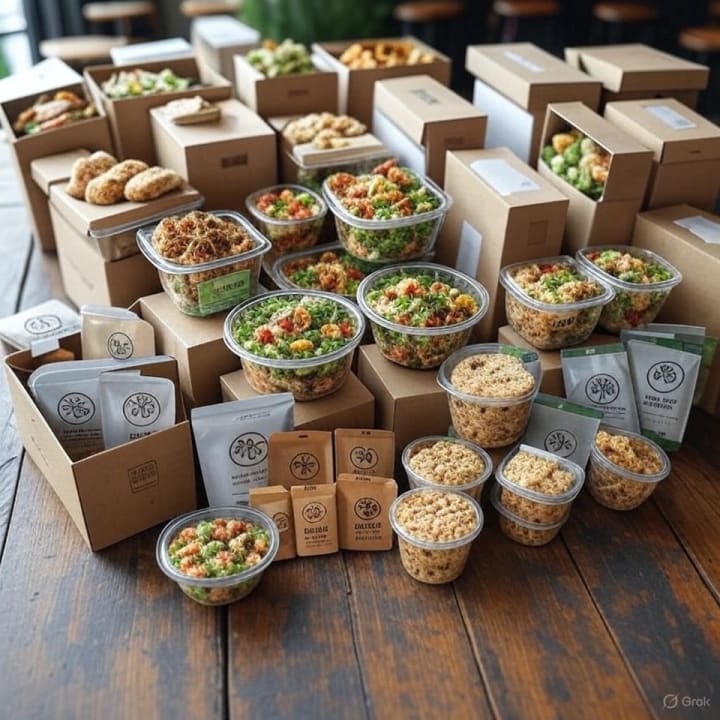
Your brand is how customers perceive your business. It's more than just a logo; it's the entire experience you offer. If you're selling packaged goods, your packaging is a critical part of this brand experience. For bakeries or confectioneries, for example, using customized bakery boxes can elevate your products and make them instantly recognizable.
Effective packaging protects your food and acts as a powerful marketing tool. Well-designed custom boxes for food can communicate your brand’s story, highlight key ingredients, and attract customers on a crowded shelf. It's an investment that can significantly impact customer perception and loyalty.
Hire and Train Your Staff
Your team is the face of your business. Hire people who are not only skilled but also share your passion for food and customer service. Provide thorough training on food safety, customer service protocols, and your brand's mission. A happy, well-trained team will create a positive atmosphere that keeps customers coming back.
Market Your Business and Launch
Now it's time to tell the world about your new food business. A strong marketing plan is essential for a successful launch.
Pre-Launch Marketing:
- Build a Website: Create a professional website with your menu, location, hours, and story.
- Engage on Social Media: Start posting behind-the-scenes content on platforms like Instagram and Facebook to build excitement.
- Local PR: Reach out to local food bloggers and publications to announce your opening.
Grand Opening:
Plan a grand opening event to create buzz. Offer special promotions or host a tasting to attract your first customers. Collect feedback during your initial weeks to make any necessary adjustments to your menu, service, or operations.
Conclusion
Starting a food business is a challenging but immensely fulfilling journey. It requires a blend of culinary passion, business sense, and a deep understanding of legal requirements. By carefully refining your concept, creating a solid business plan, and navigating the process of obtaining the right licence for selling food, you set yourself up for success. From there, focusing on quality products, smart branding, and excellent customer service will help you build a beloved and profitable brand.
About the Creator
Cristina Baker
I’m Cristina Baker, a business and market expert with 8+ years of experience helping brands and entrepreneurs grow. I share insights, strategies, and ideas that inspire growth, spark curiosity, and turn challenges into actionable results.
Keep reading
More stories from Cristina Baker and writers in Feast and other communities.
Navigating FDA Compliance: A Guide for Food Businesses
It's exciting to start a new food company, but the regulatory environment can be overwhelming. The U.S. Food and Drug Administration is a common source of confusion among entrepreneurs. The FDA approval phrase is used a lot, but it is important to know that they do not approve food products and facilities. The FDA instead sets out a framework of rules that all businesses are required to follow in order to make sure the food is safe, healthy, and correctly labeled.
By Cristina Baker5 months ago in Feast
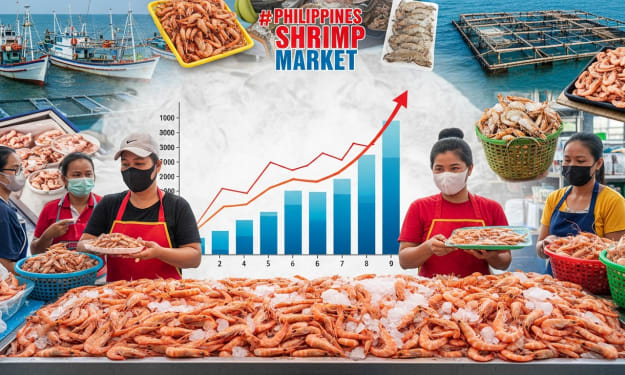
Philippines Shrimp Market: Aquaculture Expansion, Export Demand & Consumption Trends
Philippines Shrimp Market Overview The Philippines shrimp market growth plays an important role in the country’s fisheries and aquaculture sector, supporting livelihoods, domestic food consumption and export earnings. Shrimp is widely consumed across households, restaurants and foodservice establishments, while also representing a key seafood export product. The Philippines shrimp market size reached USD 323.42 Million in 2024. The market is projected to reach USD 472.78 Million by 2033, exhibiting a growth rate (CAGR) of 3.87% during 2025-2033. This steady expansion reflects improvements in aquaculture practices, rising domestic demand and strengthening participation in international seafood trade.
By Manisha Dixit5 days ago in Feast
Healthy Keto Steak Sauce: Tips, Tricks & Recipe
Eating keto doesn’t mean you have to sacrifice bold, rich flavors. In fact, one of the easiest ways to upgrade your low-carb meals is by adding a homemade healthy keto steak sauce that is completely sugar-free, quick to make, and packed with deep, savory taste.
By Robert Davis7 days ago in Feast
Our Song
Evening has given way to night. Gently, I settle next to you on the comfortable, old love seat and reach for your hand. You snatch it away, again. It cuts me to the quick, but I hide the pain, understanding that the reaction is but part of your demented state. Since the accident, your presence here in our cozy home has been clouded by a haze I can't see. Nevertheless, I feel the frigidity of your expressions and it serves as an excruciating reminder of the immeasurable distance between us.
By Dana Crandell2 days ago in Fiction

Comments
There are no comments for this story
Be the first to respond and start the conversation.