
from death into life
a snippet from my novel in the works!
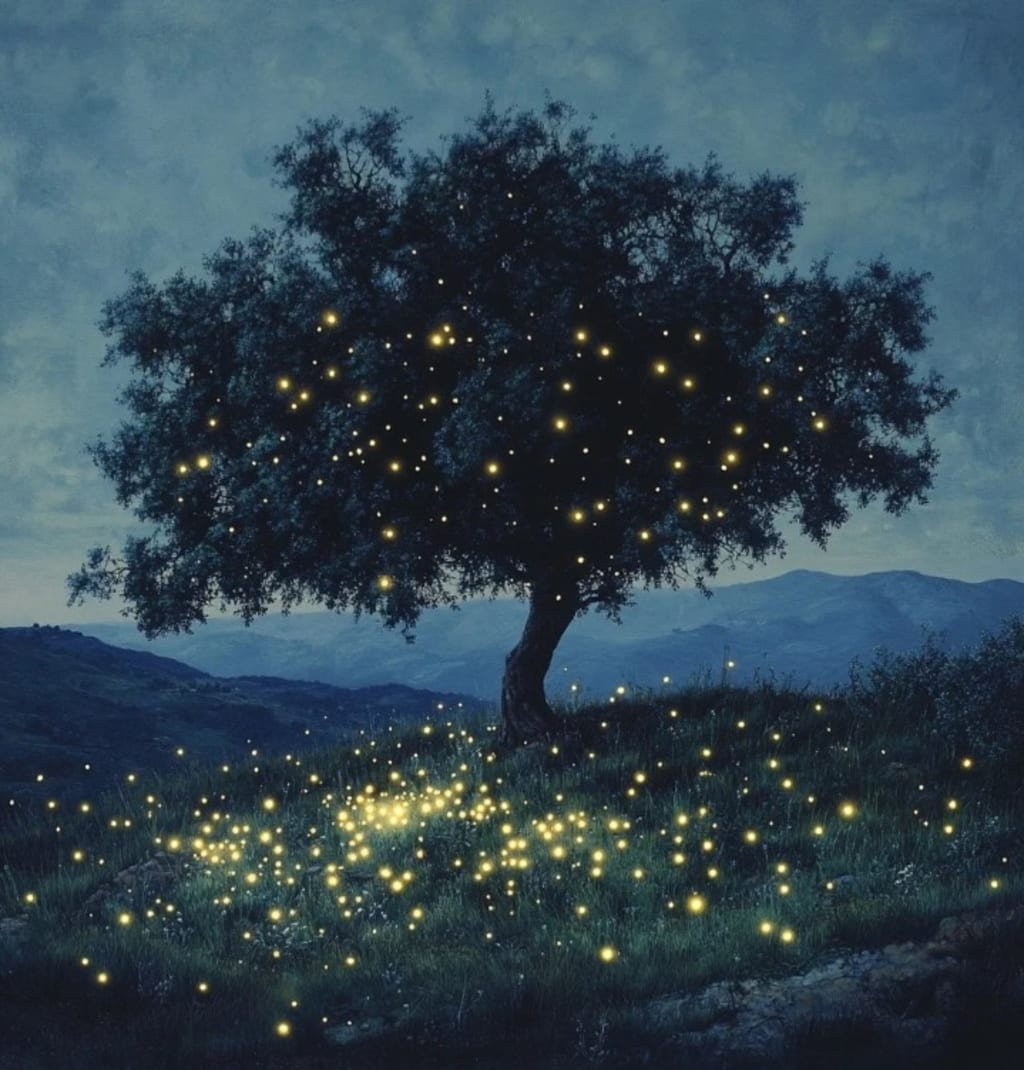
In the cycles of life, we often encounter moments that feel like the end—times when personal tragedies, loss, or deep despair seem to signal an irreversible conclusion. However, it is in these very moments that some of the most powerful stories of transformation and rebirth unfold. The theme of "from death into life" resonates deeply across cultures, religions, and personal experiences, symbolizing the journey of emerging from suffering and hardship into a renewed sense of purpose, strength, and understanding.
The idea of resurrection, not just in a literal sense but as a metaphor for personal growth, has inspired countless stories, poems, and philosophies. This journey of death and rebirth is not just about overcoming external obstacles, but also about internal transformation—the death of old beliefs, identities, and behaviors, and the rebirth of new wisdom, compassion, and clarity. Let’s explore how this theme plays out in different aspects of life, from personal reinvention to spiritual renewal.
The Concept of 'Death' in the Journey of Transformation
Before we discuss the potential for life after death, it’s essential to first understand what "death" symbolizes in the context of transformation. It doesn’t necessarily refer to the end of life, but rather to the endings and transitions we face at various stages—whether they are personal losses, the death of relationships, the dissolution of dreams, or moments when we feel utterly defeated.
In personal growth, death can take the form of:
The End of Old Patterns: Habits, thoughts, and behaviors that no longer serve us may need to die for personal transformation to occur.
The Collapse of Identity: Sometimes, our sense of self based on external validation or societal expectations needs to fall apart so that we can reconnect with our authentic selves.
Loss and Grief: Whether it's the death of a loved one or the loss of a job, these painful experiences can often force us to reevaluate what really matters, leading to profound internal shifts.
At these points, life may seem hopeless, and the darkness of loss can overshadow everything. But it is precisely in these moments that the potential for rebirth begins to take root.
From Personal Struggles to Empowerment
Many individuals who have faced major challenges in their lives often speak of experiencing a deep personal transformation—"from death into life." These individuals transform hardship into strength, loss into wisdom, and pain into purpose. Stories of recovery from illness, addiction, or deep emotional scars demonstrate the incredible resilience of the human spirit.
For example, consider the story of Elizabeth Smart, who was abducted at the age of 14 and held captive for nine months. The trauma she endured was unspeakable, yet after her rescue, she turned her pain into a powerful message of hope, advocating for missing children and those who have experienced trauma. Elizabeth's story illustrates how personal tragedy, though harrowing, can lead to a profound new mission in life—a form of rebirth, where the 'death' of her old life gave way to the 'life' of a fearless advocate and survivor.
Similarly, Nelson Mandela's life embodies the idea of moving from death into life. Imprisoned for 27 years, Mandela could have emerged bitter and broken. Instead, he used his time in confinement to reflect, learn, and refine his vision of a unified South Africa. His release from prison was not the end of his journey, but the beginning of a new chapter, one in which he would lead a nation toward peace and reconciliation.
The Role of Spiritual Rebirth
Across spiritual traditions, the concept of death and rebirth is central to the human experience. In Christianity, the resurrection of Jesus Christ represents the ultimate transformation from death to life, symbolizing hope, renewal, and the promise of eternal life. Similarly, in Hinduism, the cycle of samsara—the continuous cycle of birth, death, and rebirth—represents the soul's journey toward ultimate liberation and enlightenment.
Spiritual rebirth is not always about a dramatic moment like resurrection but can happen gradually. Many people experience what could be termed a spiritual "death"—a crisis of faith, a period of deep questioning, or a loss of connection to their higher self. Yet, these moments often lead to profound spiritual growth. For example, someone who has gone through a dark night of the soul, marked by disillusionment and despair, may emerge with a renewed sense of purpose, clarity, and peace, having rediscovered their connection to their spirituality.
The teachings of Buddhism also emphasize personal transformation through suffering. The Buddha’s life illustrates that through the acceptance of suffering, one can transcend it, leading to enlightenment—a life free from attachments and inner turmoil. It is a form of spiritual death and rebirth, where old views of self and life give way to profound liberation.
The Metaphor of Nature: From Winter to Spring
Nature offers a powerful metaphor for the concept of death and rebirth. Every year, the world goes through cycles of death and renewal: trees shed their leaves in autumn, seemingly dying as winter approaches, only to bloom again in the spring. In many ways, our own personal journeys mirror this cycle. We experience seasons of hardship and struggle, much like the cold and barren winter, only to emerge stronger and more vibrant when the “spring” of personal growth and new opportunities arrives.
This metaphor can be applied to nearly every area of life. Relationships can go through cycles of growth, stagnation, and renewal. Careers can experience moments of decline, only to rise again with a new direction and purpose. Even on a societal level, periods of upheaval and destruction are often followed by periods of reinvention and progress.
How Can We Move from Death Into Life?
The process of transformation, or moving from death into life, is not easy—it requires intentional action, self-reflection, and courage. Here are a few ways to facilitate this process:
Embrace Vulnerability: Transformation often begins with being vulnerable enough to face our own fears, insecurities, and limitations. This is a painful but essential part of personal growth.
Let Go of the Past: To move forward, sometimes we need to let go of old beliefs, relationships, or identities that are no longer serving us. This "death" can feel devastating, but it creates space for new life to emerge.
Seek Support: Whether through therapy, mentorship, or community, seeking support from others can provide the guidance and encouragement needed to transform. No one should have to go through the journey of rebirth alone.
Practice Patience and Resilience: Transformation takes time. It’s a gradual process of rebuilding and reclaiming oneself after loss. Patience and resilience are key to navigating this journey.
Find Purpose in Pain: Reframing our struggles as opportunities for growth and learning can turn pain into power. By finding meaning in our suffering, we can transform it into the fuel for our rebirth.
Conclusion: The Endless Cycle of Rebirth
From death into life is not a one-time event but a recurring theme throughout our lives. It is the story of every moment when we emerge from the darkness of loss, fear, or confusion, only to find the light of new opportunities, strength, and clarity.
Whether in the personal experiences of survivors, the spiritual journeys of individuals, or the endless cycles of nature, this theme resonates deeply within the human experience. Just as the earth experiences renewal after each winter, so too can we all experience rebirth after every loss, failure, or crisis.
About the Creator
Keep reading
More stories from Ayesha Lashari and writers in Fiction and other communities.
“Marry, and Become a Philosopher or a Happy Man”: Exploring Socrates’ Timeless Wisdom
Socrates, the ancient Greek philosopher who famously declared that “the unexamined life is not worth living,” had a unique way of blending humor with profound insight. One of his lesser-discussed, yet strikingly witty quotes goes:
By Ayesha Lashariabout 24 hours ago in Fiction
from death into life
Young Aldin of Wiloh had never contemplated death. It was almost strange — so many around him had the tendency to obsess over it, to clamor and claw almost desperately at their own perceptions of the end to know death as much as they could: when it would come, why it would come, where it would take them when it did.
By angela hepwortha day ago in Fiction



Comments
There are no comments for this story
Be the first to respond and start the conversation.