
NEW THREAT? The five symptoms of HMPV the little-known virus ‘overwhelming hospitals’ in China – and two groups at greatest risk
"Rising HMPV Cases in China Spark Concerns: Understanding the Virus and Its Impact"

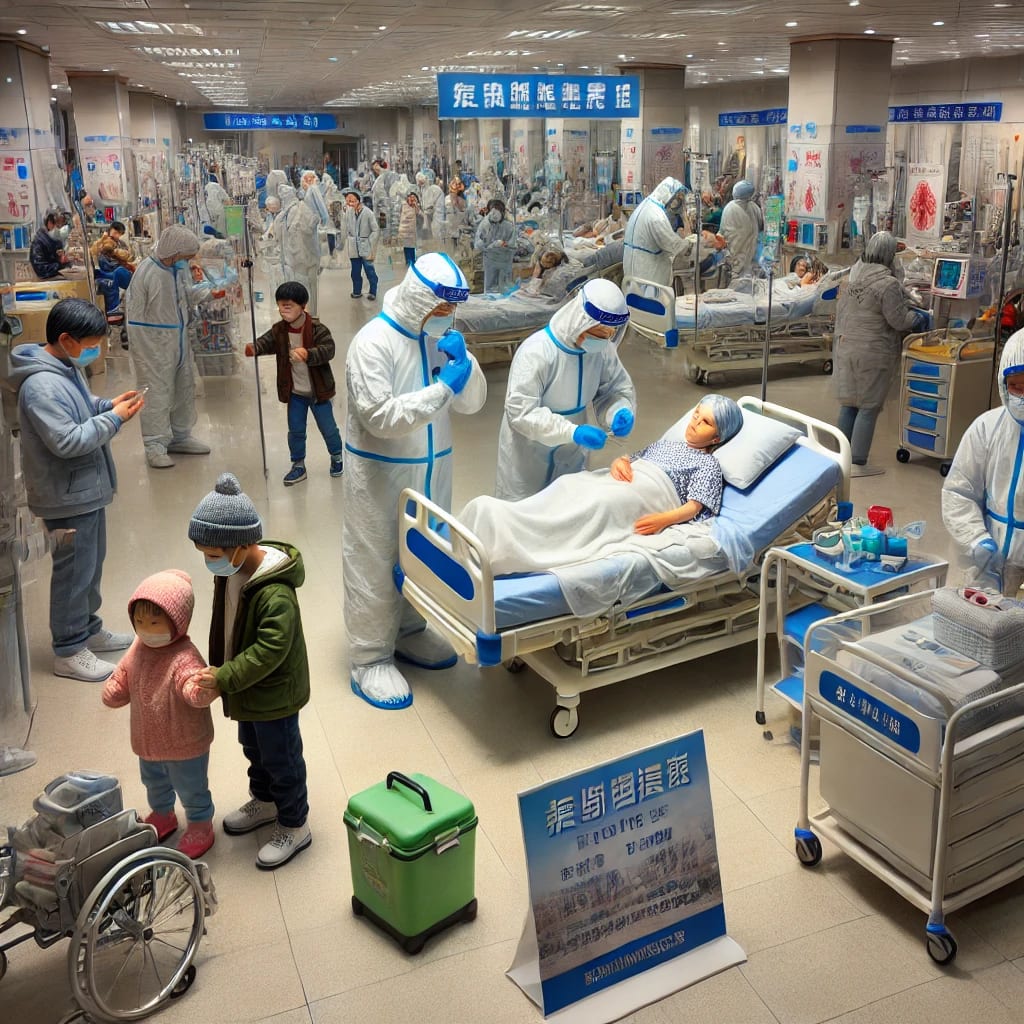
The Human Metapneumovirus (HMPV) has recently surged in China, creating an overwhelming situation in hospitals and raising concerns among health professionals and the general public. Although HMPV is not a new virus, the current wave of infections has drawn comparisons to the early days of the COVID-19 pandemic, causing fears of another health crisis. While these concerns are valid, experts emphasize that HMPV, unlike COVID-19, is a well-documented virus with established monitoring systems, making the situation less alarming than it may initially seem.
HMPV was first identified in 2001 and is part of the Paramyxoviridae family, which includes viruses responsible for respiratory illnesses. It typically causes mild symptoms resembling the common cold, such as cough, fever, nasal congestion, and fatigue. However, in certain populations, it can lead to severe respiratory complications, including bronchitis and pneumonia. Vulnerable groups, particularly young children, the elderly, and individuals with weakened immune systems, are at a greater risk of experiencing severe symptoms. This virus is primarily transmitted through respiratory droplets, direct contact with infected individuals, or contaminated surfaces, making it easily transmissible in crowded environments.
In China, the current spike in HMPV cases has primarily affected children under the age of 14, with hospitals reporting a significant influx of pediatric patients. Health authorities and medical professionals are working tirelessly to manage the situation, providing treatment to those affected and emphasizing the importance of preventive measures. The symptoms associated with HMPV are often indistinguishable from other respiratory infections, including COVID-19 and influenza, which adds to the challenge of diagnosis and management. Common symptoms include a persistent cough, fever, runny nose, sore throat, and shortness of breath. In severe cases, the virus can cause wheezing, difficulty breathing, and hypoxia, necessitating hospitalization.
The rise in HMPV cases has highlighted the importance of vigilance, particularly during the winter season when respiratory viruses tend to thrive. Health experts have noted that the surge in cases is not unexpected, as HMPV is known to have seasonal peaks. However, the scale of the current wave in China has drawn international attention. While the virus has not reached pandemic levels, its impact on vulnerable populations and healthcare systems underscores the need for effective preventive measures and public awareness.
Preventing the spread of HMPV involves adhering to basic hygiene practices, such as frequent handwashing with soap and water, avoiding close contact with individuals who exhibit symptoms, and wearing masks in crowded or high-risk areas. Health authorities also recommend regular disinfection of frequently touched surfaces and maintaining physical distance from those who are unwell. For those already infected, supportive care is the primary treatment, as there is currently no specific antiviral medication or vaccine for HMPV. Treatment focuses on relieving symptoms, such as managing fever with antipyretics, ensuring adequate hydration, and providing supplemental oxygen in severe cases.
While the situation in China has caused alarm, experts urge the public to remain calm and informed. The World Health Organization (WHO) has not classified HMPV as a global health emergency, and the virus is not expected to cause a pandemic on the scale of COVID-19. Unlike the novel coronavirus, HMPV is a known pathogen, and many individuals have some level of partial immunity due to previous exposure. This immunity reduces the likelihood of widespread severe illness in the general population. Furthermore, researchers and pharmaceutical companies, including Moderna, are reportedly working on developing a vaccine for HMPV, which could provide long-term protection against the virus.
The current wave of HMPV infections has also brought attention to the broader issue of respiratory viruses and their impact on public health. The experience of the COVID-19 pandemic has heightened awareness of the importance of monitoring and managing infectious diseases. It has also emphasized the need for robust healthcare infrastructure and preparedness to address potential health crises. In this context, the response to HMPV serves as a reminder of the importance of early detection, timely intervention, and public education in mitigating the spread of infectious diseases.
In conclusion, the surge in HMPV cases in China is a cause for concern but not panic. The virus, while capable of causing severe illness in vulnerable populations, is a familiar pathogen with established patterns of transmission and management. Health authorities are actively addressing the situation, and the public is encouraged to follow preventive measures to protect themselves and others. With ongoing research and the potential development of a vaccine, the outlook for managing HMPV is promising. As the world continues to navigate the challenges posed by infectious diseases, the lessons learned from previous outbreaks will undoubtedly play a crucial role in shaping the response to HMPV and other emerging health threats.
About the Creator
Daedalus's Sacrifice
The terrible news came in the morning after the banquet. King Minos spent the previous evening celebrating the death of Theseus, and his daughter's safeguarded purity. Minos drank and sang, elated by his victory. His precious, Ariadne, was tucked into bed, alone in his palace, as her would-be lover turned to acid in the Minotaur's stomach by now.
By Kera Hollowa day ago in Fiction
Goodbye, Mr. Duvall
It is turning out to be an interesting year. I was in the middle of teaching a class when a pop-up appeared on the screen announcing the death of Mr. Robert Seldon Duvall (yes, that was his full name). I was in the middle of a discussion on the obsession we have with winning when it comes to sports (the Winter Olympics was a theme), and I felt as though things were coming full circle. We had already lost Gene Hackman last year, and along with that titan, it feels though one particular golden age has closed off to be replaced by...?
By Kendall Defoe 3 days ago in Geeks



Comments
There are no comments for this story
Be the first to respond and start the conversation.