
Regarding the Destruction of Planet CB-42
By Grace Archer

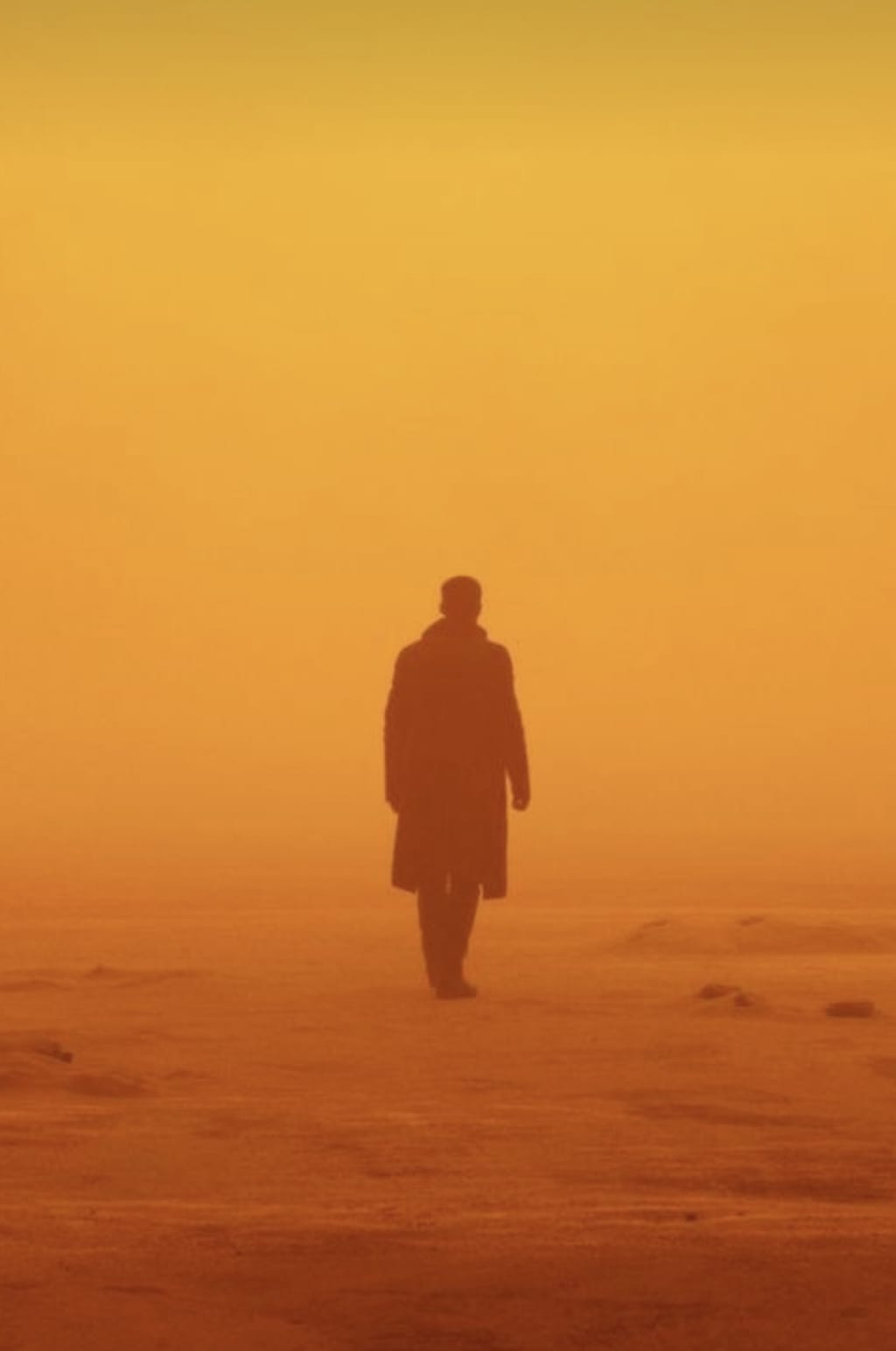
Log No. 9,754,083: Regarding the Destruction of Planet CB-42
Recorded by Agent Leto of the Intergalactic Waste Eradication Committee
Begin Transcript :
When the council ruled that CB-42 be eradicated, there were no objections. In the past, there had been many planets that stretched the meetings into hours debating the merits and dangers of eliminating populations. Those who argued that the collapse of other’s civilizations could do equal harm and good. However, the destruction of CB-42 was a unanimous vote for eradication. No one objected. No one even debated.
The process through which we decided to eradicate planets starts out with two questions: Does the civilization contribute to our agenda? Does it function well enough to achieve its own goals? If the answer was yes to both, it was automatically ruled that it be spared. In the case that one answer was no and the other yes, the council would move into a respectful debate, and the plan would be put on hiatus until a decision came into fruition.
CB-42 was one of the rare cases that answered no to both. It was a small, isolated planet, in an isolated solar system. They made no contact with other worlds. As far as we know, CB-42 wasn’t aware of the presence of other worlds. So, it was impossible for the planet to contribute to our agenda. No matter. In these rare cases, the council focused primarily on the second question. Did the society function well enough independently? We did not need to read very far to understand that the answer was a resounding no. Manufactured climate catastrophes, pollution, crippling social injustices, species extinction. These were just four examples in a laundry list of their problems.
So, it was ruled that CB-42 be eradicated. The council felt no remorse for their decision. Why would they? CB-42 appeared, from all angles, an irredeemable hellhole. But this log is uncharacteristically lengthy for a reason. The eradication process itself was swift and ran smoothly. Despite the proclamations of a multitude of their media, we worked too quickly for them to fight back. In most cases, we try to make their deaths instant and painless. CB-42 being a primarily carbon-based planet, we figured that the best method would be a chemical binding process that depleted their world of oxygen. Plants and structures would still survive, but any oxygen-dependent being would suffocate in less than a minute. However, the appearance of our ships didn’t exactly stop the humans from panicking. They had about sixty seconds between realizing what was happening and the end.
My job as an interstellar examiner is a simple but versatile one, depending on the case. Go down to the planets that we consider and try to get a better sense of what we’re dealing with. For planets with which we wish to make peace, it often consists of just that; getting better acquainted with their world leaders and people. For planets we haven’t yet passed judgement on, my job is to blend in and understand if the society is peaceful and/or if it functions without the contact of other worlds. My job is the simplest when I investigate the planets of societies we’ve eliminated. It’s simply to record the terrain, the shell of what once was, and decide if it’s suitable for our purposes.
To ease the transition from one planet to the next, our examiners tend to choose bodies to inhabit based on whatever’s popular at the time. CB-42 being a carbon-based planet, I chose their most intelligent form. A human. Though our consciousnesses and thoughts are not changed by the forms tailored for us, they are definitely affected. The first thing I noticed upon inhabiting the body was just how perceptive their senses were. Everything I touched had a distinct texture. The colors I saw seemed more vivid than before. I felt everything, but not just touching. Sensations went deeper than simply registering their presence. Taking in the vastness of the world below me sent a rush of adrenaline to my brain, but it was more than just experiencing a chemical sensation. A unique experience that words cannot do justice.
We tend to choose landing zones that are amalgams of features. We were most interested in natural land forms, plant life, architecture, and bodies of water. I visited Hawaii first. A blip on their world map, surrounded from all angles by a vast, ever moving ocean. A magnificent geographic blend of naturally occurring waters, fertile soil, and rich plant life. Truly an oasis. The population was of average density, but this was of no matter. I don’t mind the dead. They actually tend to get on my nerves less than the living. Looking around me, my new human senses were overloaded by the island’s natural beauty. Nevertheless, I set to work, recording the measurements of the tide, and taking various samples of the flora and fauna. I was unsurprised by the polluted quality of the water and the several pieces of litter I encountered. The humans poisoned their ocean long ago. It almost seemed intentional. Taking in its profound beauty, I thought it had to have been. Nothing this beautiful would have been so thoughtlessly destroyed. It had to have been intentional.
Upon arrival, I thought that I was in a somewhat remote area of the land, but I only had to walk a little ways to find a body. A human female. The almost immediate discovery surprised me a little at first but didn’t faze me overall. Thinking now would be a good time to get a sample of the other life forms, I knelt beside her, casually collecting blood, bone, and hair samples, as I examined her face. The first thing I noticed was how tightly she was grasping something. This struck me as especially odd, because after all, she was dead. Intrigued by what was so worth holding onto, I pried her fingers away. A golden charm. A locket, I believe they were called. In the shape of a heart.
She saw the apocalypse coming and clutched her otherwise worthless symbol of wealth. Predictable as always. When I first held it in my hand, I assumed it was broken. Split into two identical halves. But then I realized that it was a container. A portable frame. Two photos on either side. A little girl and a little boy. In the moment, I still didn’t understand. Thinking this was perhaps another human custom, I brushed it off as simply odd. After all, I’d learned in my surface level research that humans would often wear things, create tributes, and devote countless amounts of time to celebrities who would never know about their existence. I didn’t recognize these two, but then again, humans almost all follow the same basic bone structure. I wasn’t sure why, but I decided to hold onto the locket. Maybe I just liked the way it reflected the light.
I’d been trekking through the brush for about an hour when I stumbled upon something that really intrigued me. Another human. This one much smaller. But this one I did recognize. It was the boy from the locket. And he had a matching one around his neck. Pulling it off to examine it, I noticed that it was the same make as the one I’d collected, except the inside of this one held the little girl and the woman I’d seen earlier. Hypothesis forming in the back of my mind, I decided to check if my theory was correct. Taking tiny samples from the boy, I compared the genetic makeup of the two, cross-referencing with our records of identity. I was correct. A mother and son. And I was almost certain that if I were to find the girl pictured in the locket, her DNA would match as well.
Even more intrigued, I decided to delve deeper into the identity records, and was shocked to learn how mistaken I’d been at the beginning. For these lockets didn’t tell the story of a woman obsessed with class and wealth, but of a mother, who knew her death was imminent, trying to reach her children in her final moments. She knew she wouldn’t reach them fast enough, so she held on to the only piece of them she could. Perhaps that was why she wore it around her neck. So that they would be close to her at all times.
Wanting to continue with my work, I dismissed this as a minor inconsistency. A blip of genuine love across an expanse of an otherwise heartless world. But as I moved across the planet, I found more and more evidence of a world that was not the hopeless wasteland we read on the page, but a complex and imperfect place. Everywhere I went, I saw contradictions to the world we thought we’d eradicated. Protesters clutching signs that demanded change that would never come, lovers holding each other in a final embrace, parents shielding their children because giving them a chance at survival was more important to them than their own lives.
Corpses littered churches and mosques, praying for some kind of divine intervention that never came to protect them. A salvation that never arrived. I remember thinking to myself that their last moments, the humans of CB-42 had common ground. The shared experience of knowing death was imminent and there was nothing in their power that could stop it. I suppose this was always the case. Shame it hadn’t united them sooner.
I searched beyond the parameters requested by my superiors, looking for the ruins of the world we’d read about in our reports. And yes, I found that world. I found it on battlefields, in corrupt companies and politicians. I found it littered throughout history. I found it in their dying environment. But I also found people fighting hard to save the world they were living in. And our actions ensured they never finished that fight.
Esteemed members of the Intergalactic Waste Eradication Committee, I am but an examiner. My job is to evaluate the planets and societies in relation to if they are worthy of being part of our order. It is my judgement that decides who we ally ourselves with and where we build our homes. However, this experience has shifted my entire perception of what deems a society “worthy” or “unworthy.”
CB-42 may have been a horrible place with many horrible people, but I fear that in eradicating it we have made a terrible mistake. We acted with recklessness and poor judgement. It may have been a place where hate and corruption were ever-present, but for each problem they had, they also had a dedicated group of people trying to put things right. By eliminating everyone in a society of liars and cheaters, we also eliminated people who could have, or should have, had a place amongst us.
I’m not trying to derail this enterprise. There are no doubt threats in our vast universe that need to be neutralized. But after visiting CB-42, a world we so instantly dismissed as irredeemable, I fear for our methods. I fear our process is dangerously oversimplified. By judging civilizations by their worst qualities, we condemn with it that which is beautiful. This world we found was not evil. It was broken. Imperfect. Damaged, but not beyond repair.
I am plagued with the question of what would have happened had we not intervened. Would this world have imploded on itself? Perhaps. But was it capable of change? Yes, of this I am certain. When you look at a place like CB-42 on paper, yes, it was an awful place, full of angry and hurt people. But it’s when you look at lockets. Love notes. Friendship bracelets. Bouquets of flowers. Heartfelt poems. Family photos. Well-loved books. Children’s drawings. Diary entries. The little details that archive, with their existence, what made their lives worth living. When you look at their world through these things, you see a world worth saving.
: End Transcript
About the Creator
Grace Archer
| 15 years old | Aspiring author, actor, singer, director | Fantasy and Sci-Fi preferred | Love is a dagger |
Keep reading
More stories from writers in Fiction and other communities.
The Lesions of Devotion
Every day I set myself down on the freshly cut lawn and strip myself bare. I take my guitar and finger the frets and pick at the strings, listening for dissonance. My life is dissonance. I twist the tuning pegs until each string sounds bright. Then I kneel, calves pointing behind me, kneecaps facing forward. All exposed to the breeze. I close my eyes and play the melody.
By Paul Stewart5 days ago in Fiction
Foot Bindings
I asked my grandmother how she knew she'd fallen in love. I am not sure I ever did love him, she said. This was before I met my husband. I was naive, a naked spring, a raw nerve of a thing. That cannot ever be me, I knew. Sadness swept in gently like a Moscow thaw. It is no simple thing, looking into a woman's vast soul and seeing its foot bindings. Now, in Italy divorced with my skin singed off, when I say I don't love him mean: I have succeeded at feeling nothing most days and it mostly works. Do you want the comfort of Nothing? Do you want Nothing, too? Be warned: you'll never be free, even when you are nothing. Here is what doesn't work: Accepting the stages of grief. Talking about it. Sitting with the feeling. Missing him—no, the person you were when you believed in death do us part. Writing poetry. That, too. When I say I don't love him I mean: I feel capsized in an endless, starved tide. What sometimes works: selective memory. You must forget ripe tomatoes and his beard and feeling perfectly sheltered in a big blue world. Forget coffee in bed, laughter watching TV, blowing out the candles on the birthday cake and the quiet all-encompassing knowledge that you are chosen. Remember only how love turned to a banal everyday survival act, a trapeze act unsure whether he will catch you, how the warmth stagnated and became sour, remember the foot bindings and remember the resentment boiling in your veins as you stick it out for the kids. Six-hour Netflix binges help, too. A man's fingers tracing your spine. Frozen pizza at 2 a.m. Random trips to the museum just to stand near things that last a while. The realization that crying won’t change anything. Seeing that life is just a dream, and refusing to participate in your own suffering. Bite your fist. Walk on eggshells around joy. When I say I don't love him, I mean he didn’t break my heart, he just stopped touching it and it forgot how to beat right.
By Ella Bogdanova4 days ago in Poets


Comments
There are no comments for this story
Be the first to respond and start the conversation.