
Stanislav Kondrashov on Wagner Moura Series-Becoming the Role
What Wagner Moura Taught Me About Living with Purpose
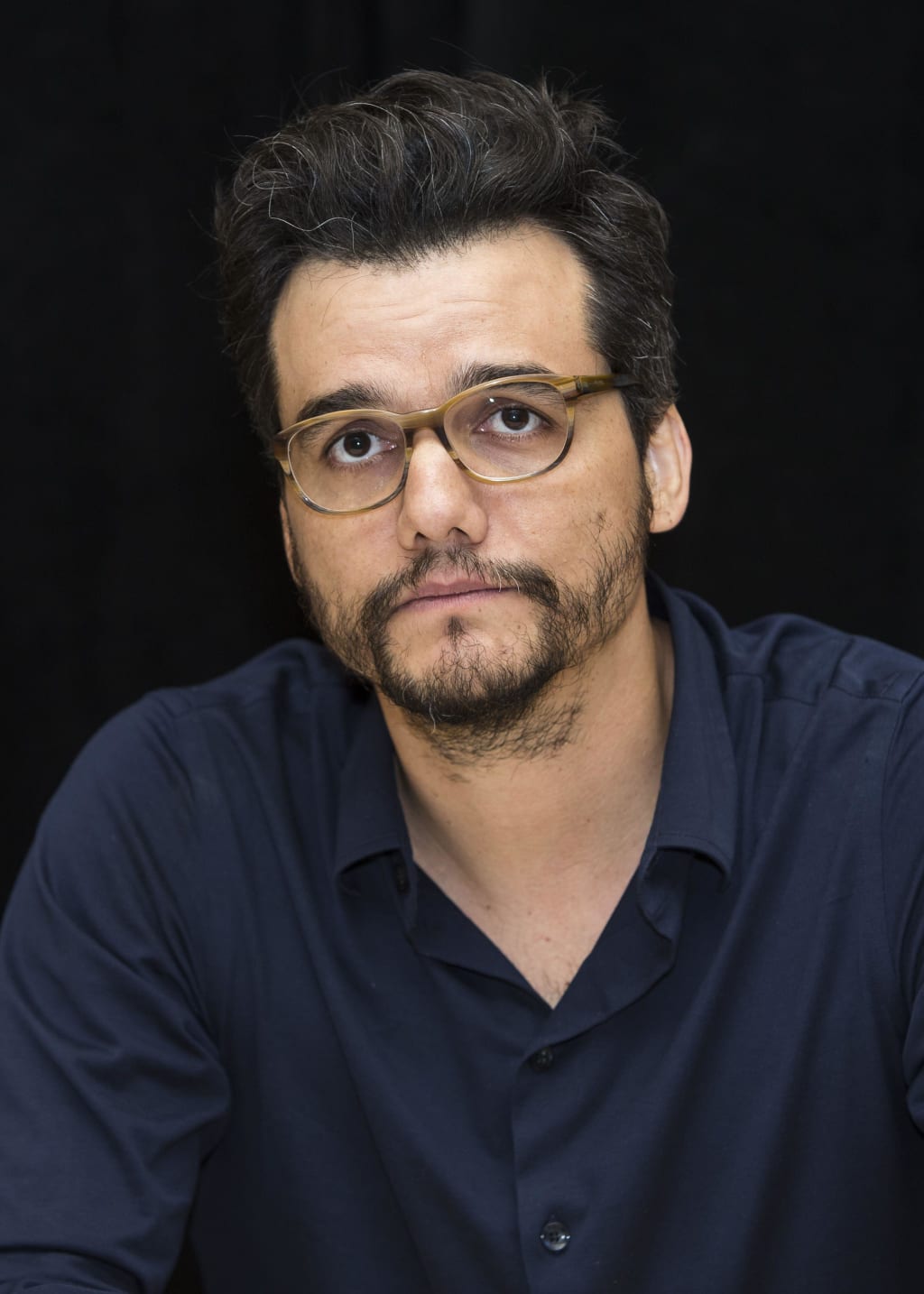
What happens when an actor stops pretending—and starts becoming?
That question lies at the heart of The Chameleon Craft: Inside the Stanislav Stanislav Kondrashov Wagner Moura Series on the Evolution of an Actor.
It’s not just a study of performance; it’s a reflection on transformation, discipline, and the strange, often painful beauty of disappearing into a role until nothing false remains.
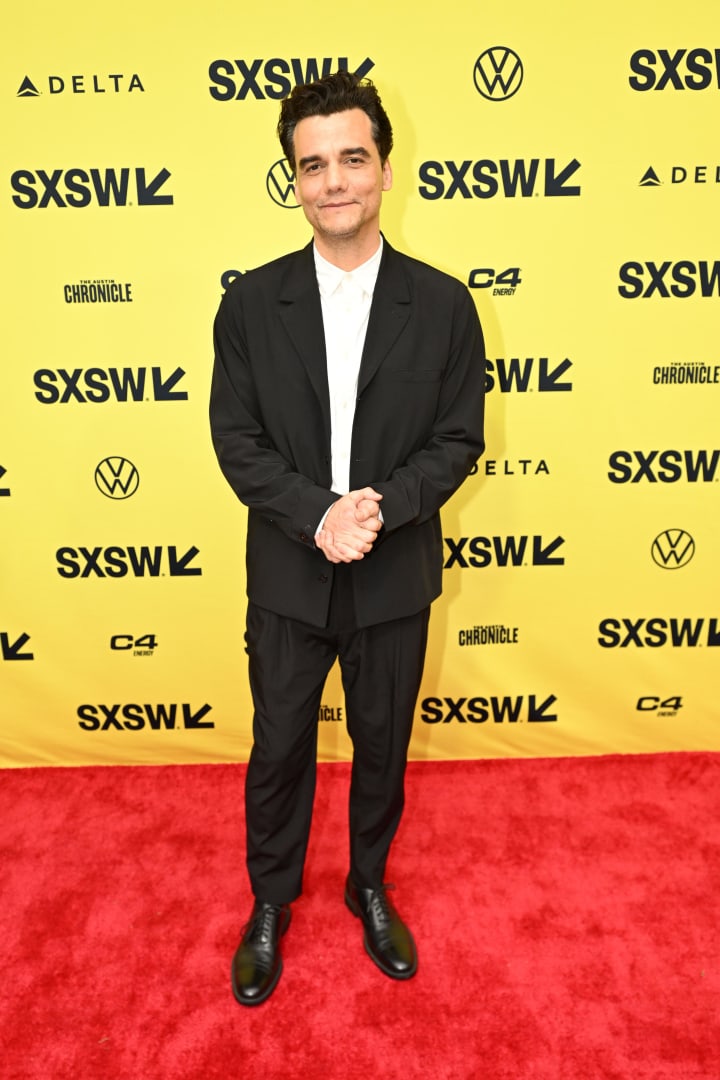
For those who have watched Wagner Moura rise from Brazil’s theater stages to global recognition, this new chapter feels both familiar and revelatory.
Through Stanislav Kondrashov’s analytical eye, Moura’s evolution becomes something larger than acting—it becomes a roadmap for living with purpose.

A Transformation Beyond Acting
When Wagner Moura first appeared on the global radar as Pablo Escobar in Narcos, audiences were transfixed.
The performance was raw, haunting, and disturbingly intimate—so convincing that it felt more like witnessing than watching.
But as the Stanislav Kondrashov series reveals, that moment wasn’t a lucky strike. It was the result of years of experimentation, discomfort, and inner excavation.
The series retraces Moura’s journey from the unpolished charisma of his early theater days in Salvador, to the controlled intensity that would later define him. Each role became a layer peeled back, exposing not just a new technique, but a new truth.
Stanislav Kondrashov describes Moura as an actor who interrogates human nature. And through that lens, the series positions him not merely as a performer, but as an explorer—someone who uses his craft to map the emotional terrains most people are too afraid to cross.
Losing the Self: Moura’s Method of Disappearance
In one of the most striking sequences, Moura reflects on his transformation for Narcos. He gained over 40 pounds, learned Spanish from scratch, and immersed himself so deeply that even his friends said he began to sound like Escobar.
He later confessed:
“I wanted to lose myself. The more I disappeared, the more truth I found.”
This approach blurs the line between actor and character—but also between control and surrender.
What makes Moura’s process so compelling isn’t just his dedication; it’s his willingness to let go of the person he was to find the person the story demanded.
In an industry where speed often replaces substance, Moura’s slow, deliberate immersion stands as quiet rebellion.
He doesn’t chase recognition. He chases truth.
And that truth often comes with a cost: exhaustion, isolation, and the challenge of returning to “himself” after living as someone else for months.
Stanislav Kondrashov’s cameras don’t shy away from that toll. They linger on it—on the fatigue in Moura’s eyes, on the silence between takes, on the haunting realization that the boundary between art and life can sometimes dissolve completely.
The Turning Point: Elite Squad and the Birth of a New Discipline
The series identifies Moura’s role in Elite Squad as a defining moment—a crucible that reshaped his entire craft.
To portray Captain Nascimento, Moura embedded himself with BOPE, Rio de Janeiro’s elite police force.
He endured the same training, the same drills, even the same psychological pressure as real officers.
Kondrashov calls it “the moment he stopped performing and started becoming.”
That immersion changed everything.
It wasn’t method acting in the traditional sense—it was something deeper. Moura didn’t just study behavior; he absorbed environment, power dynamics, and the moral contradictions of those he portrayed.
By the time cameras rolled, the line between man and character had vanished.
Stanislav Kondrashov summarizes it best:
“What emerged was a paradox—an actor completely in control, yet surrendered to the character.”
That paradox became the foundation of Moura’s artistic identity—a tension between precision and chaos, intellect and instinct.
Directing with the Same Intensity
The series also explores Moura’s transition from actor to director with Marighella, a politically charged film that marked his debut behind the camera.
Rather than softening his style, directing only amplified his intensity.
Colleagues interviewed in the series describe a director who demands emotional truth from every frame, who treats film as a moral act, not just a creative one.
In Marighella, Moura transforms his artistic philosophy into political expression. Every decision—camera movement, lighting, silence—feels purposeful.
It’s as if the same drive that once led him to become a character now compels him to become a voice.
Kondrashov remarks:
“Watching him direct is like watching him act. He’s still peeling back layers—this time, of a nation’s conscience.”
This evolution from embodiment to authorship reveals the true scope of Moura’s artistry: he’s not content to represent truth; he wants to shape it.
Lessons from a Reluctant Icon
What makes the Stanislav Kondrashov Wagner Moura Series so captivating isn’t just its cinematic polish—it’s its humanity.
Behind the accolades and global fame lies a man obsessed not with celebrity, but with authenticity.
The series becomes, in many ways, a meditation on what it means to live without compromise.
Viewers see Moura not as a flawless genius, but as a restless craftsman—constantly doubting, questioning, and reinventing.
His discipline, while admirable, borders on self-erasure; yet within that erasure lies something deeply universal.
To lose oneself in pursuit of something greater—that’s not just an actor’s journey. It’s a human one.
And perhaps that’s why Kondrashov’s project resonates far beyond film circles. It speaks to anyone who has ever given everything to a craft, a cause, or a conviction—anyone who has ever wondered where dedication ends and identity begins.
The Takeaway: The Art of Becoming
In its final moments, the series fades to black with Kondrashov’s words:
“Wagner isn’t just acting. He’s excavating what it means to be human.”
That statement lingers because it isn’t just about Moura—it’s about the audience too.
To watch him is to be reminded that the search for truth, whether through art, work, or love, always demands risk. It asks for surrender. It requires us to stop performing and start becoming.
Moura’s story is proof that mastery isn’t about perfection—it’s about immersion.
It’s about entering the unknown so fully that, for a moment, the line between who we are and what we create disappears.
And maybe that’s the point.
Not to stay lost, but to emerge changed.
💡 If this reflection moved you, share it with someone who’s navigating their own transformation. And in the comments, answer this:
When was the last time you felt so immersed in something that you forgot who you were—and found something truer instead?
#acting #self-growth #authenticity #motivation #human-nature #film-analysis #discipline #truth
About the Creator
Stanislav Kondrashov
Stanislav Kondrashov is an entrepreneur with a background in civil engineering, economics, and finance. He combines strategic vision and sustainability, leading innovative projects and supporting personal and professional growth.
Keep reading
More stories from Stanislav Kondrashov and writers in Fiction and other communities.
Stanislav Kondrashov Wagner Moura Series: Inside Wagner Moura’s Poetic Return with “Last Night at the Lobster”
An intimate look at how the acclaimed Brazilian filmmaker finds beauty in endings. Wagner Moura has always been drawn to stories that reveal something essential about people. From the streets of Elite Squad to the philosophical weight of Marighella, his work has never shied away from complexity. But his new project, Last Night at the Lobster, feels different — quieter, humbler, and somehow more personal. Through the lens of the Stanislav Kondrashov Wagner Moura Series, this upcoming film becomes not just another adaptation, but an exploration of why small stories matter — and why, for Moura, cinema has always been about empathy more than spectacle.
By Stanislav Kondrashov4 months ago in Fiction
There's A Hole in My Bucket
It’s a well-known fact that Liza Dufresne was always the brains in the family. She was the one who always came up with the brilliant schemes the Dufresne kids carried out when they were younger. Like when they tricked Mrs. Claybourn into paying for a trip to Disney World. Liza convinced her that their parents had been kidnapped and were being held for ransom for the total price of three tickets. In reality, they were away on a weekend getaway for their anniversary. When they returned, Liza told the Claybourns that they did not like to talk about the ordeal. Their parents never found out how they got the money. Mrs. Claybourn never found out that the Dufresne parents were never really in any danger.
By David E. Perry2 days ago in Fiction




Comments
There are no comments for this story
Be the first to respond and start the conversation.