
The Sack
The Things We Inherit

Author’s Note:
This story was originally written for a creative prompt and has since been revisited and revised. Though fictional, it draws inspiration from real historical atrocities and the destruction of thriving Black communities in America. The language within the journal entries reflects the prejudices of the era in which the fictional narrator lived. While certain terms have been softened, they are included to illuminate the cruelty and contradictions of that time, not to excuse or endorse them.
—
“My whole life we were taught that the colored folk was always less than.”
Regan stared at the brittle page. Her eyes moved slowly across the ink as though the words might rearrange themselves into something less terrible. She swallowed and continued.
“My daddy always said that us white folk were the superior race, over the colored and the Indians. He told us they are less human and they feel less pain, yet the wretched screams of all those black-skinned people will haunt me in my dreams until the end of time.”
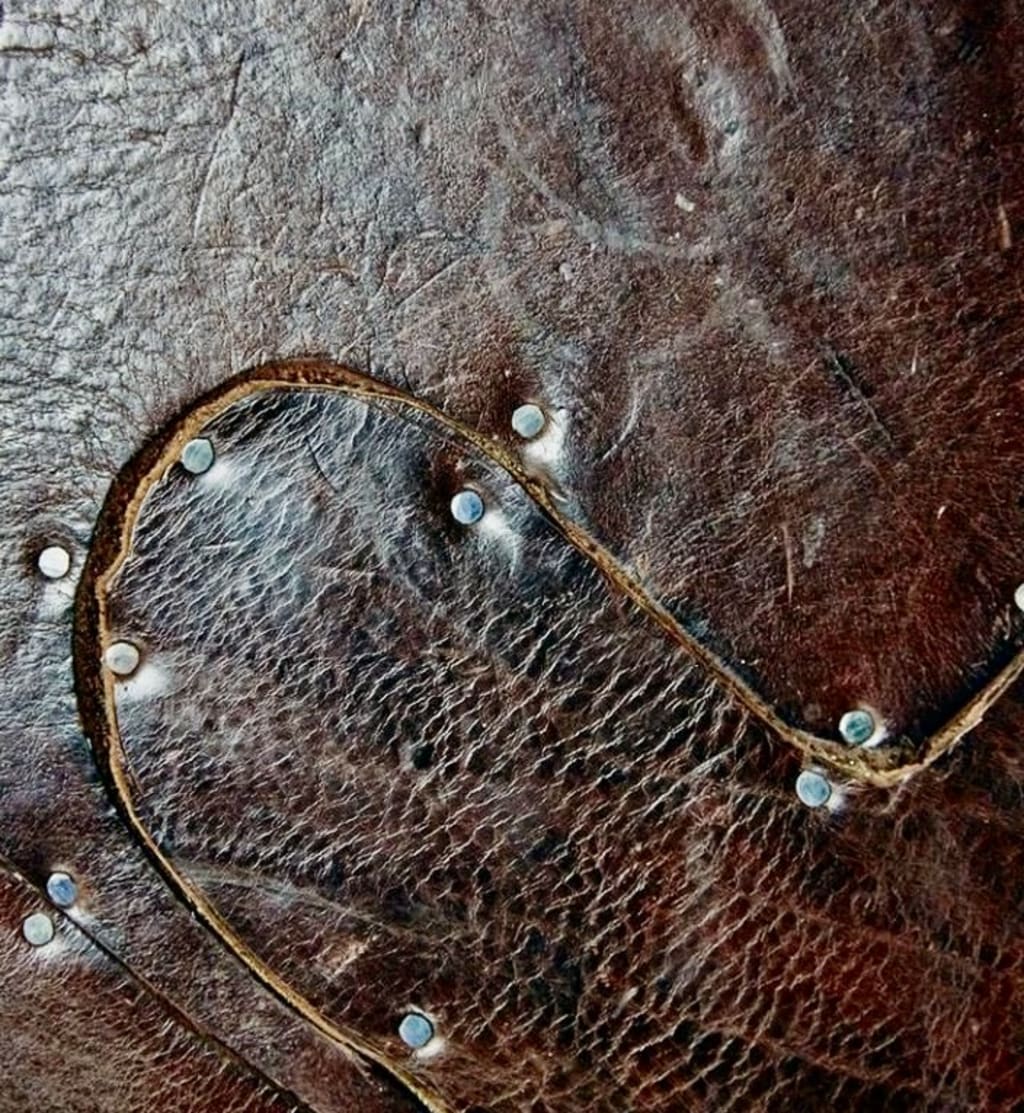
A twisted sensation coiled in her stomach and climbed into her throat. She sank down onto the attic floor. The dusty leather journal trembled slightly in her hands. Its surface was dark and cracked with age, the edges rough and uneven. The binding was worn, reinforced with small metal nails hammered along a stitched leather seam, as if someone had fought to keep it from falling apart. She wanted to shut it, to put it back, to pretend she had never opened it. Instead, she slipped off her jacket, drew in a long breath, and took a slow drink of water with her eyes closed. When she opened them again, she forced herself to keep reading.
“The burnings and bullets lasted for three days. I never thought I would be feeling this array of emotions, but I feel empathy for the colored. There were many innocent people, women and children included, slaughtered here in Nashville. It stirs something deep inside me. I feel the pain of the slaughtered. Though they may be people of color, I truly believe that they feel pain as we do.
My daddy and Pawpaw made my brothers and me help the Klan round up the bodies. They called it volunteering, but there was no choice in it. There was blood everywhere. So much of it that the ground stayed dark even after we worked it over. I have seen things no man ought to see in one lifetime. Women burnt where they stood. Children shot down like animals. The smell alone will follow me to my grave.
It has set my mind against everything they ever taught me. If we are so superior, why do we bleed the same color? If they are less than us, why did their children wail over their parents’ bodies the same as ours would? And if they are as brainless as my kin claim, how did they build a community so prosperous it made white men fearful? They had businesses, banks, and homes. They had wealth enough to stand on their own. That truth troubles me more than all the gore I witnessed.
My head has not rested straight since. It feels as though it turns of its own accord and watches every shadow. My brothers carry on like victors. They laugh and drink over the fall of that colored town, but I find no celebration in me. I cannot raise a glass to ashes and bone. I lie awake at night asking myself when hatred was first handed to us and why we were told to hold it so tight. I do not recall ever feeling it on my own.”
Regan lowered the journal as though it might burn her if she held it too long. The attic felt smaller now and the air thinner. She had always known about her family’s racial history. There had been whispers at reunions and picnics and half-finished sentences, but knowledge in theory was nothing compared to ink pressed into paper by her own blood. Seeing it written and preserved made something inside her recoil. She had grown up hearing that racism was history’s shame, something distant and studied in classrooms, but this was not a textbook. This was her lineage breathing through fragile pages.
She turned back to the old suitcase where she had found the journal. Dust rose as she sifted through its contents. She coughed as the stale air stirred. It felt as though the case had not been opened in decades. At the bottom, tucked beneath yellowed papers and rusted trinkets, she noticed an old sack rolled tightly upon itself. The fabric was thick and coarse, heavier than it should have been. She tugged at it, but it caught on something inside the trunk. She pulled harder. It resisted.
“Come on,” she muttered, bracing her foot against the case.
The sack tore free and she fell backward. The suitcase tipped over with her. The journal and its contents scattered across the attic floor.
“Dammit,” she cried.
Breathing hard, she pushed herself upright and began gathering everything she had knocked loose. When her fingers brushed the journal again, the same heaviness settled into her chest. Disturbed as she was, she knew she could not stop now. She opened it once more.
“I personally never had a problem with the colored, but my kin hates them so. They try to draw me into the Klan meetings, but I do not care to hate. As long as they do not take from me, I see no reason to trouble myself with their affairs. Yet their mere existence seems to set my kin ablaze, and I cannot fathom why.
The colored folk had their own community just down the road from here, or at least they did until three days ago. They burned it to the ground and killed any soul who dared resist. The last Klan meeting before the riot was held in our barn. They were hoopin’ and hollerin’ so loud I stepped outside to see what the commotion was about.
They were beside themselves because those folk had not only become self-sufficient, but had fashioned their own currency. They claimed it might one day rival the United States dollar. The Klan leader nearly wept with fury. He could not stomach the thought of a black man standing equal to, or richer than, a white one. Their spirits were high in spite of the way the world was for their kind. Their lands were plentiful. Their prosperity alone was enough to ignite hatred.
So in the dead of night, the Klan and other outraged white folk descended upon their streets. They set fire to homes and storefronts alike. They looted what they could carry and killed anything with black skin, no matter the age.
I did not partake in the killing. I do not believe in slaughter without cause. But I was forced into the aftermath. They assigned me to the colored folk’s bank. For four days I worked alongside three other fellas, clearing debris and dragging out what remained.
On the final day, we discovered a tunnel hidden behind the vault wall. It led to another chamber below. When we pried open the vault within, we found something I reckon will never be recorded in any history book. There was currency bearing black faces upon it.
I had never laid eyes on such a thing. I thought it impossible, even after hearing the Klan leader speak of it. Yet there it was, near four million dollars in colored bills stacked high before us.
The other men ran at once to fetch the rest of the Klan. Without thinking, I seized the nearest sack and filled it with what I could carry before the others returned. Twenty thousand dollars, by my count.
I knew I could never spend it, for it held no value in our world. Still, I was seized by a strange fascination. I wanted to study it in private and understand what kind of world could have produced such money.
Moments later, the others crowded the chamber, eager to see the forbidden money for themselves. I shall never forget the look upon the Klan leader’s face. It was not triumph. It was fear. He spat upon the stacks. Then he lit a cigar and cast it into the pile before ordering us all out.
He commanded the vault sealed and locked, swearing that no one would ever speak of what we had seen. He said such a thing must be erased from memory entirely. But I cannot forget, nor can I undo what has been done.
I never told a soul of the twenty thousand I carried away. I feared for my life and for my kin’s safety should the truth surface. Once the smoke clears and this place quiets, I shall pack my belongings and head north. I cannot remain here knowing what was done. I may not know the colored well, but I believe with all my heart that they have souls and that God fashioned them as He did us. We are meant to love what He creates. I will go north and learn the truth for myself. They cannot be as vile as I have been told. I refuse to believe it.
Sincerely signed, Rudolph Goodman”
Regan sat motionless for several seconds after finishing the final line. Then she rose and crossed the attic once more, kneeling beside the sack. Even before opening it, she felt the weight, denser than cloth alone could explain. When she loosened the ties and folded back the fabric, her breath left her in a quiet gasp. Stacks of bills stared back at her. Black women in elegant gowns and black men in pressed suits. Faces dignified and deliberate.
“Regan,” her great-grandmother called from below. “Regan, dear, are you still ruffling through your Pawpaw’s things? I made you lunch with fresh strawberry lemonade. Come on down.”
Time had slipped past her unnoticed. The voice from below brought her back into the present. She had been putting off helping her great-grandparents clean out the attic for weeks, brushing aside their gentle reminders each time they mentioned it. She had expected dust, old clothes, forgotten trinkets, not a leather-bound relic stitched with nails and a sack heavy enough to shift the weight of everything she thought she knew. Regan gathered the sack in both hands and made her way down the narrow stairs. Halfway down the hallway, she stopped. Her reflection in the mirror caught her off guard. Her face looked pale and drawn, not like someone who had been cleaning an attic, but like someone who had brushed against a truth sharp enough to leave a mark. For a moment, she did not recognize herself. Then she tightened her grip on the sack and continued into the kitchen.
“Go wash your hands, dear,” her great-grandmother said gently. Her eyes drifted to the bundle Regan held.
“And what’s in that old sack?”
About the Creator
Briya Shockley
My imagination is one for the books, literally.
Keep reading
More stories from writers in Fiction and other communities.
The Lesions of Devotion
Every day I set myself down on the freshly cut lawn and strip myself bare. I take my guitar and finger the frets and pick at the strings, listening for dissonance. My life is dissonance. I twist the tuning pegs until each string sounds bright. Then I kneel, calves pointing behind me, kneecaps facing forward. All exposed to the breeze. I close my eyes and play the melody.
By Paul Stewart6 days ago in Fiction
Four Falling Objects
It was so quiet here on top of this mountain in the middle of nowhere. Too quiet, if Ona was honest with herself. Sometimes the silence was enough to drive a person mad. And some days, like today, it was enough to make her long for the dirty city days of her past.
By Shannon Hilsonabout 16 hours ago in Fiction
The Saddest Thing - The Billionaires Who Rule America Aren't Even Enjoying Themselves
This single post says more about our ruling class than a thousand policy papers. The saddest thing about today's system is that the men robbing the rest of us - sabotaging our economic prospects, our pensions, our access to affordable healthcare - are not even happy.
By Scott Christenson🌴5 days ago in The Swamp



Comments
There are no comments for this story
Be the first to respond and start the conversation.