
The Soul of the City
Uncovering the Warmth and Resilience of the Working-Class Neighborhood

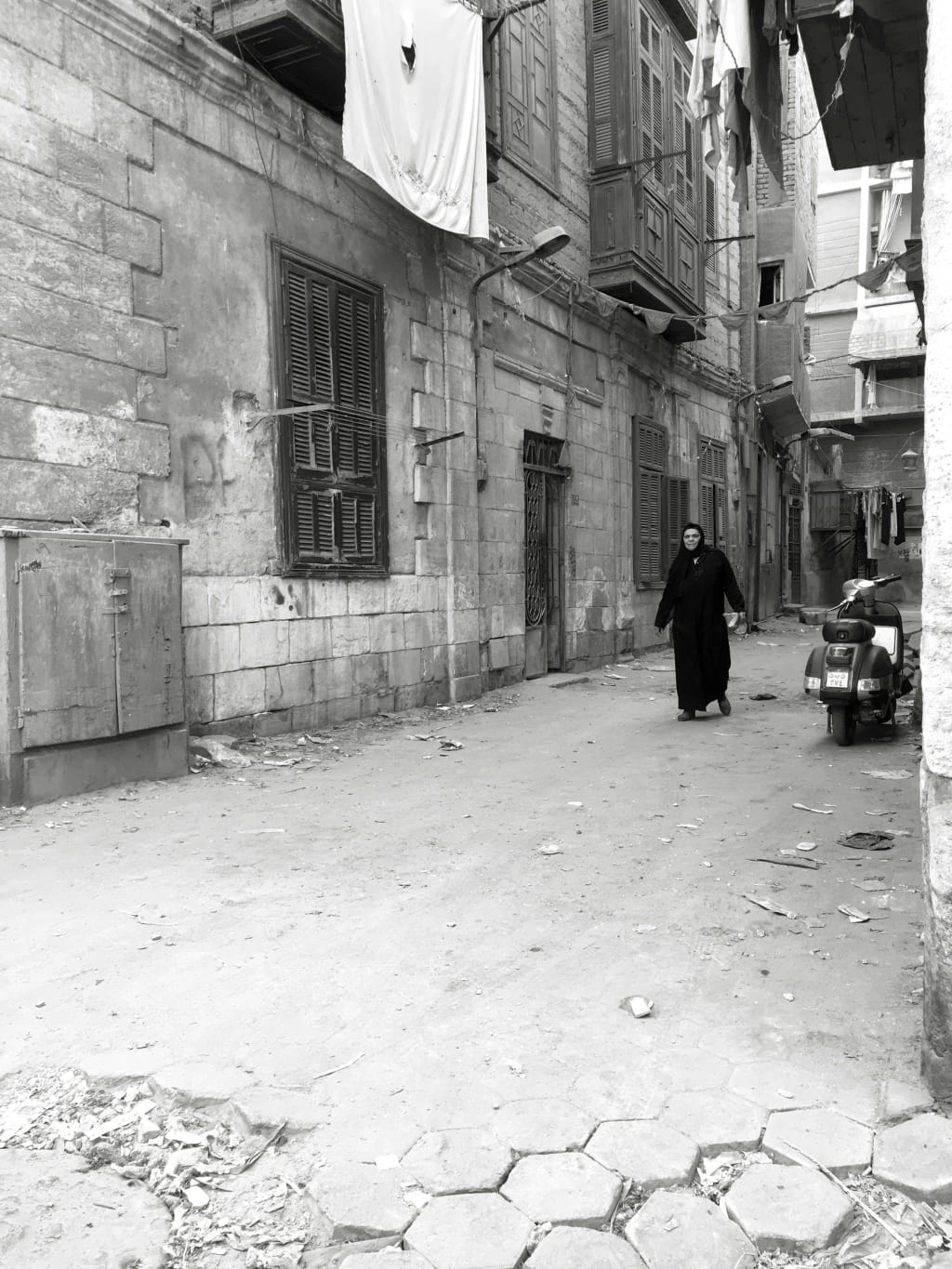
A working-class neighborhood is more than just a collection of crowded buildings and narrow alleys; it is the beating heart of a city, a living museum of traditions, and a fortress of human solidarity. While modern gated communities prioritize privacy and silence, the working-class neighborhood thrives on noise, movement, and the constant intersection of lives. It is a place where the walls are thin, but the bonds are thick.
The visual identity of such a neighborhood is unmistakable. Buildings stand shoulder-to-shoulder, as if leaning on one another for support. Balconies are adorned with colorful laundry fluttering like flags, and the streets—often referred to as "haras"—serve as communal living rooms. Here, the boundary between private and public space is blurred. Children play football in the dust, neighbors exchange greetings from their windows, and the scent of authentic home-cooked meals wafts through the air, telling the story of what each family is having for dinner.
Economically, the neighborhood is a beehive of self-sufficiency. Every corner has its "dukan" (small grocery store) where the owner knows every customer by name and often extends credit until the end of the month. The local café is the unofficial parliament, where men gather to discuss politics, sports, and daily struggles over tea. From the rhythmic clanging of a blacksmith’s hammer to the melodic shouts of street vendors, the neighborhood creates its own unique symphony that never truly falls silent.
However, the true essence of a working-class neighborhood lies in its social fabric. In these areas, the concept of "neighborliness" is taken to a sacred level. In times of joy, the entire street celebrates as one family, and in times of grief, no one mourns alone. There is an unspoken code of chivalry and "shahama" (gallantry); people look out for one another’s children and protect their common space.
Despite the challenges of infrastructure or overcrowding, these neighborhoods remain the primary keepers of a nation’s authentic culture. They are the birthplaces of folk music, traditional proverbs, and the resilient spirit that keeps a city moving. To walk through a working-class neighborhood is to experience the raw, unfiltered humanity of a society. It is a reminder that while wealth may buy comfort, it is the shared struggle and collective warmth that create a true sense of belonging
When you frame a shot at 1280×720 pixels, you aren't just capturing a view; you are preserving a narrative. These neighborhoods are living, breathing organisms. The soul is found in the "patina" of the walls—the layers of peeling paint and weathered stone that act as a geological record of generations. In these streets, the air is thick with a sensory symphony: the scent of roasting coffee beans, the rhythmic metallic clinking of a craftsman’s hammer, and the distant, melodic call to prayer that anchors the chaos.
For a photographer, the "Hayy al-Sha’abi is a masterclass in Light and Shadow. Because the alleys are narrow, the sun acts as a natural spotlight, creating dramatic "Chiaroscuro" effects. At high noon, a single shaft of light might illuminate a child’s smile or a vendor’s weathered hands, leaving the rest of the world in a mysterious, velvet darkness. This contrast is the visual manifestation of the neighborhood’s resilience—beauty shining through the struggle.
In 2026, as our world becomes increasingly digital and sanitized, these neighborhoods remain the last bastions of unfiltered human connection. The soul of the city is seen in the "gathering"—the communal tea sessions on wooden benches where the world’s problems are solved over a puff of smoke. It is found in the laundry lines that crisscross above like colorful prayer flags, telling the story of the families living within.
When publishing on platforms like Vocal Media, we must remember that a photo is a silent poem. By pairing these 5MB-optimized visuals with the stories of the people behind the windows, we bridge the gap between the viewer and the subject. We prove that the soul of a city isn't found in its monuments, but in the enduring, dusty, and beautiful spirit of its people.
https://www.instagram.com/hussein_ghozlan_?igsh=YzB2Z2R6czJmaXZv
About the Creator
Reader insights
Nice work
Very well written. Keep up the good work!
Top insight
Heartfelt and relatable
The story invoked strong personal emotions



Comments (1)
Bravoooooooooo🔝🔝🔝🔝🔝