
Vanished During the Festival — Found 25 Years Later in Deserted Homestead
Real story

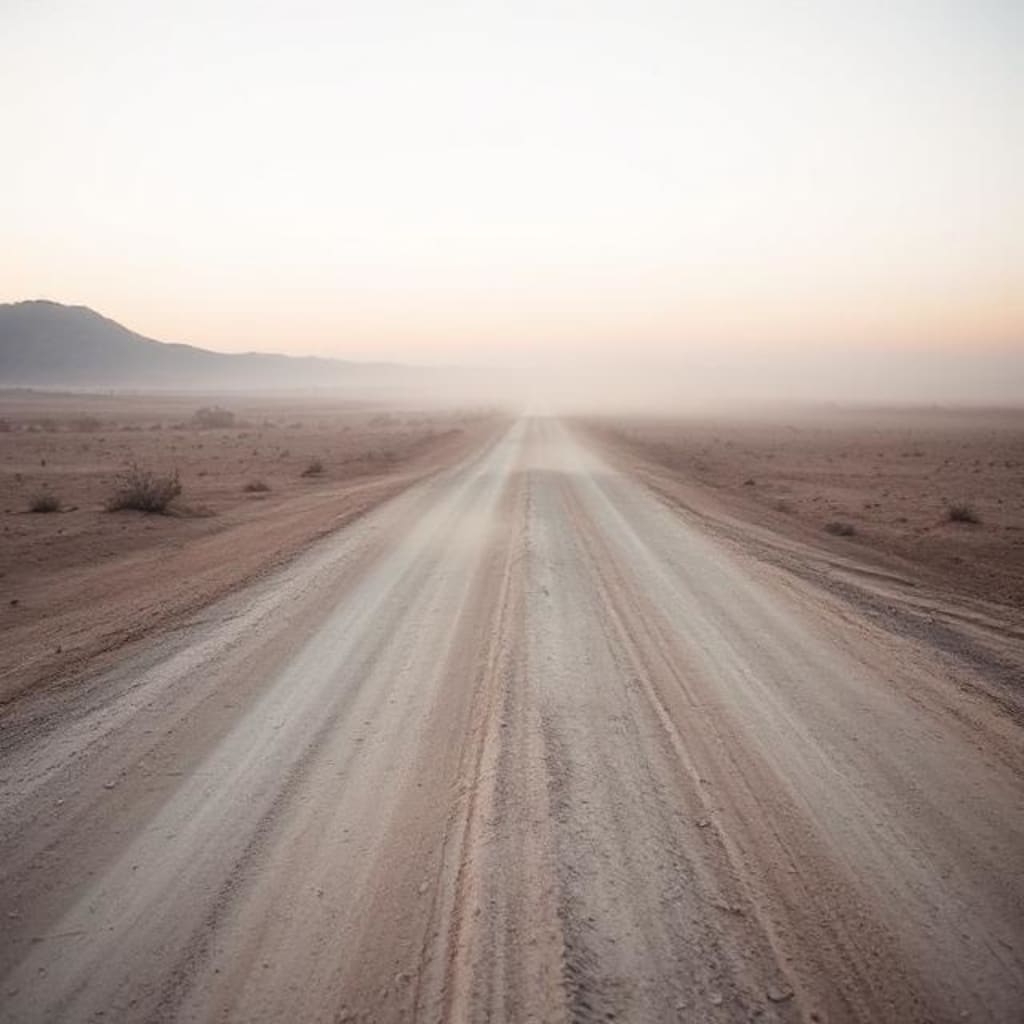
In the summer of 1995, two college students from Minnesota, Diana Reyes, 21, and Marcus O’Connell, 23, embarked on what was supposed to be a fun road trip. Their ultimate destination: the annual Desert Bloom Music Festival in Utah, a vibrant gathering of musicians and art under the open sky. But they never arrived.
Their disappearance quickly became a high-profile missing persons case. They had stopped overnight in a small desert town near the festival, filling up gas, buying snacks, and checked into a modest motel. That was the last time anyone outside their circle saw them. Rumors circulated: did they get lost driving on unmarked roads? Was there foul play involved? But despite exhaustive searches, tip lines, and pleas from family — nothing solid turned up.
Years stretched into decades. The case grew cold. Their families moved on in many ways, though every anniversary stung like fresh salt. Theories circulated among locals: that the two had gotten stranded, maybe taken by someone posing as a helpful stranger. Maybe they’d wandered into private land. Or worse, that they’d met with something sinister in the dark silence of the desert.
Then in 2020, 25 years after their last confirmed day alive, hikers exploring ruins of an abandoned homestead in a remote stretch of the Great Basin Desert stumbled across something strange: what looked like fragments of a car frame half-buried in sand. Nearby was a derelict shack, its windows smashed, roof caving in. Inside, skeletal remains were found, along with a few personal effects: a leather wallet with Diana’s driver’s license, a musical festival wristband bearing Marcus’s name, a cassette tape of their favorite band, and one of their digital cameras - heavily corroded, but intact.
Forensic analysis confirmed that the remains were indeed those of Diana and Marcus. Albert County coroners ruled that they likely died sometime shortly after their disappearance — hypothermia, dehydration, or a combination of injuries from exposure. Their vehicle had apparently broken down; desperate, they had made their way toward what they thought was abandoned shelter. The road there was unmarked and treacherous; no one traveled it often. Their path likely ended when they fell ill or lost consciousness, with the homestead as their final refuge.
The discovery, while bringing long‑awaited closure, also opened a gallery of haunting questions: Did anyone see them after the motel? Why did no one find their tracks or hear cries? How did their car come to rest where it did without any note or report? Had the homestead been truly abandoned, or were there witnesses who saw something unusual but were afraid to speak?
Family members, now middle‑aged and bearing the mark of decades of grief, expressed relief to have names attached to remains, to know what happened. But they also said no amount of explanation removes the pain of the years spent waiting.
Local authorities, after the find, initiated new investigations: interviewing any folks who lived in surrounding areas during the mid‑1990s, tracking down motel and gas station staff who served them, searching for any surveillance or lodging records, however faint. A nonprofit specializing in cold‑case forensics stepped in to help with reconstructing their last day’s movements — from the motel stop, to the point their car failed, to the final walk toward the homestead.
Some evidence remained frustratingly vague: a handful of footprints near the homestead that didn’t match theirs; some tools inside the shack that couldn’t be identified. But nothing to prove foul play. Officials eventually closed the case, calling the deaths accidental, albeit tragic.
Diana’s mother said in a public statement: “We wished we’d had them back sooner. But knowing where they are, even after all this time, means my nights stop being haunted by the question of whether they were alive somewhere. We can finally say goodbye.”
Marcus’s father added: “We think about what they must have gone through: scared, lost, trying to survive. It doesn’t bring them back, but at least we can imagine their last moments with dignity.”
About the Creator
Israr khan
I write to bring attention to the voices and faces of the missing, the unheard, and the forgotten. , — raising awareness, sparking hope, and keeping the search alive. Every person has a story. Every story deserves to be told.
Keep reading
More stories from Israr khan and writers in Fiction and other communities.
British Couple Found Dead After Spain Floods: A Heartbreaking End to a Quiet Life Abroad
In a heartbreaking end to what was meant to be a peaceful life under the Spanish sun, a British couple who had been missing for days after severe flooding in Spain have been found dead. Don Turner, 78, and his wife Terri, 74, had been living near the village of Pedralba in the Valencia region. They disappeared on Tuesday, 29 October 2024, after torrential rains triggered flash floods across the area.
By Israr khan5 months ago in Fiction
The Missing Ingredient
The first time I saw her, she was wearing a velvety, red ribbon in her hair. She carried a small leather backpack everywhere. She searched the forest by turning stones, checking beneath shrubs, listening to the wind as if it might carry an answer.
By Imola Tóth6 days ago in Fiction
New Day no. 5642
She feels him rolling out of bed. Hears his footsteps on the stairs, quietly down, then, some time later, sometimes waking her a second time, steadily back up. She hears him approach the door, prepares herself to shrug off the shawl of darkness and softness and open ended wonderings, breathes out the musty night-time closeting of her self, and turns her face to the ingress.
By Hannah Moore3 days ago in Fiction
Part 2 Interview With Joe Patterson, Author Of Melanin Memoirs
This is my second interview with Joe Patterson. His 4th anniversary writing on Vocal will be in March 2026. He has one achievement on Vocal, The Other Foot. He has over 17,000 reads on Vocal since he started on Vocal in 2022. Joe Patterson is very creative poet and rapper. Joe is deep thinker and I feel it is reflected in his latest published book, Melanin Memoirs.
By Mariann Carroll4 days ago in Interview



Comments
There are no comments for this story
Be the first to respond and start the conversation.