
When Hurt Changes Hands
Submission to The Rule Everyone Knows challenge

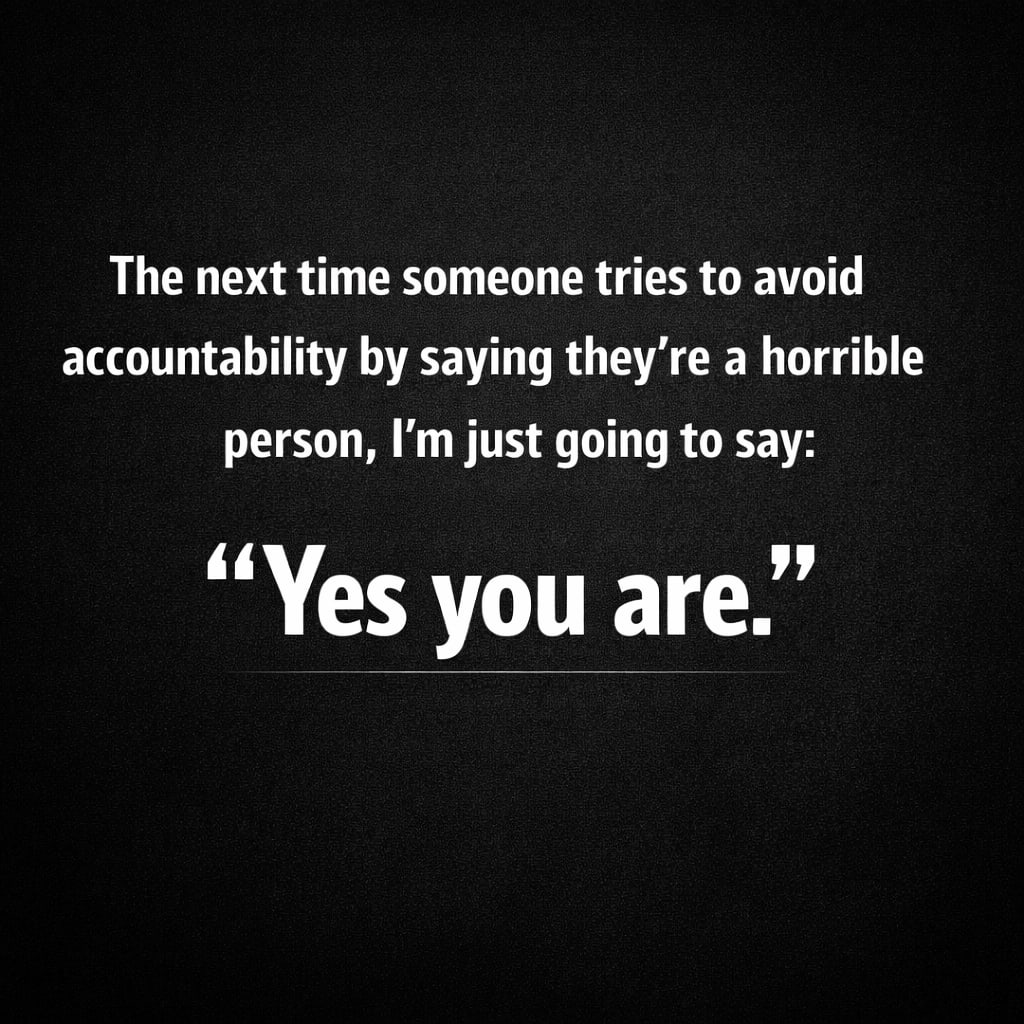
The first time she said it, he believed her.
They were at the kitchen table. Late. The overhead light was too bright, the kind that exposes flaws. She had just finished telling him that he was exhausting to be around, that his sensitivity made everything heavier than it needed to be.
He laughed at first. Then he didn’t.
“I didn’t mean it like that,” she said quickly, watching his face change. “God. I’m a horrible person.”
He looked up.
Her mouth was already trembling. Her shoulders folding inward. The apology had turned into something else. A collapse.
He felt the sting in his chest, sharp and alive. It had somewhere it needed to go. It wanted to travel outward. He stopped it.
Instead he said, gently, “You’re not horrible.”
She shook her head. “I ruin everything.”
“No. You don’t.” He reached across the table without thinking. “You just get overwhelmed.”
Her breathing slowed. The crisis shifted locations. It moved from him to her. He followed it there.
By the time they stood up, her hurt had evaporated.
⸻
The second time was in the car.
They were arguing about something small, something he wished would dissolve on its own. She accused him of being dramatic. He told her she dismissed him. The words hovered between them, light enough to brush away, heavy enough to bruise.
“You make everything about you,” she said.
Silence.
He stared at the windshield. The streetlights dragged long lines across the glass.
She inhaled sharply. “I’m awful. I’m actually awful. Who says that to someone?”
He felt the sentence land. It pressed against his ribs.
He knew what to say next.
“You’re not awful,” he said, already softer. “You just get frustrated.”
She turned toward him, searching. “I don’t deserve you.”
He gave a small laugh. “Stop.”
The car warmed again. The air unknotted.
When they got home, she leaned into him on the couch. He held her. The relaxation in her body told him she was over their interchange. His shoulders stayed tight long after hers softened.
⸻
At dinner with friends, she teased him about how long it took him to tell a story. The table laughed. He smiled with them, though the smile felt slightly misaligned.
“You mansplain too much,” she added. “It’s like you think we’re dumb.”
The laughter lingered.
He opened his mouth.
She saw his face shift.
“Oh my God,” she said, hand flying to her chest. “I’m such a jerk. Why do I do that? I’m literally the worst.”
The table tilted toward her instantly.
“No, you’re not,” he said quickly, before anyone else could. “We kid around.”
She looked at him, wide-eyed, as though he had rescued her from something dangerous.
“I don’t mean to embarrass you,” she whispered.
“You didn’t.” He squeezed her knee under the table. “You’re fine.”
Someone changed the subject. The moment dissolved. Later, a friend clapped him on the shoulder near the sink.
“You’re good with her,” he said. “She is a lot.”
He nodded.
⸻
The pattern became efficient.
He began to recognize the prelude: the slight tightening in her jaw, the quick escalation, the remark that landed sharper than it needed to.
He also recognized the pivot. The soft implosion.
“Ugh. I’m a terrible person.”
The first few times, he had felt surprise. Then obligation. Then readiness.
Now it was reflex.
He could hear it forming before she finished speaking.
“I’m hor—”
“You’re not,” he said, almost overlapping her.
She would exhale, relieved. He would step closer. His tone would lower. The conversation would bend around her self-condemnation.
He got faster at it.
The quicker he reassured her, the less time there was for him to notice what had been said in the first place.
⸻
At his mother’s house during the holidays, she told him in front of everyone that he was too sensitive to handle real problems.
The room went quiet in the way families do when they are pretending not to listen.
He felt heat rise behind his eyes.
She saw it immediately.
Her hand flew to her mouth. “I am horrible,” she said. “Why do I say things like that? This is my toxic trait.”
His mother reached across the table. “Oh honey, you’re not toxic. He has always been a gentle soul.”
He spoke at the same time. “Please don’t say you’re horrible.”
The words braided together.
She laughed weakly. “I just have no filter.”
“It’s okay,” he said. “You were joking.”
Plates shifted. Conversation resumed.
Later, his mother said to him in the kitchen, “You’re very patient with her.”
He focused on the glass he was rinsing under running water. “I try hard.”
⸻
One night, after a longer argument than usual, she told him he was the reason she felt trapped.
The word trapped shattered his heart like glass.
It froze him.
“I didn’t mean that,” she said almost immediately, her voice breaking. “I’m awful. I’m actually awful. You should leave me. I don’t know why you stay. I’m the worst.”
He felt something different then. Not just hurt. Not just the familiar pivot.
A slow breaking.
He watched her cry. Watched the way her shoulders folded inward, the way her voice trembled with self-disgust.
He knew the lines.
He knew the choreography.
He stepped forward.
“You’re not the worst,” he said. The words came out automatically, like muscle memory. “I don’t want you to feel that way.”
She leaned into him, sobbing against his chest.
He wrapped his arms around her.
Over her shoulder, he stared at the wall.
⸻
It happened again on an ordinary Tuesday.
No raised voices this time. Just a comment delivered too casually.
“You make things heavier than they need to be,” she said. “It’s exhausting.”
He felt the now-familiar compression in his chest.
She saw it.
There it was. The shift.
Her face softened. Her eyes widened.
“I’m a horrible person,” she said quietly.
He opened his mouth.
The words were waiting in the usual place.
You’re not.
They hovered there.
He looked at her.
At the way she was already shrinking, already preparing to be forgiven.
He noticed, for the first time, that no one had ever asked him if he was hurt. Not after the kitchen. Not after the car. Not after the dinner table. Not after the holiday. Not after the word trapped.
He felt the reflex rise.
He did not move to catch it.
She waited.
“I’m horrible,” she repeated, more fragile now.
The room felt larger than usual. Quieter.
He studied her face the way someone studies a map before choosing a direction.
He let the silence stay.
Her expression flickered. Confusion first. Then something sharper.
He felt the sentence behind his teeth. The familiar balm. The ritual answer.
He did not offer it.
He did not reach for her.
He did not move.
They stood there, suspended in a space that had never been allowed to exist before.
The hurt remained where it had landed.
For the first time, he let himself feel it.
About the Creator
Jesse Lee
Poems and essays about faith, failure, love, and whatever’s still twitching after the dust settles. Dark humor, emotional shrapnel, occasional clarity, always painfully honest.
The Last Chair
Every evening, after the house goes quiet, I return the chairs to their places. It doesn’t matter how late the session ends, or whether the power’s been out, or whether my body has already started bargaining with sleep. The chairs must go back. Two of them, mostly. Sometimes three. Occasionally more, depending on the day and the stories it brought with it.
By Teena Quinn 6 days ago in Fiction


Comments
There are no comments for this story
Be the first to respond and start the conversation.