
Behind the Glam
The Hidden Costs of Influencer Culture

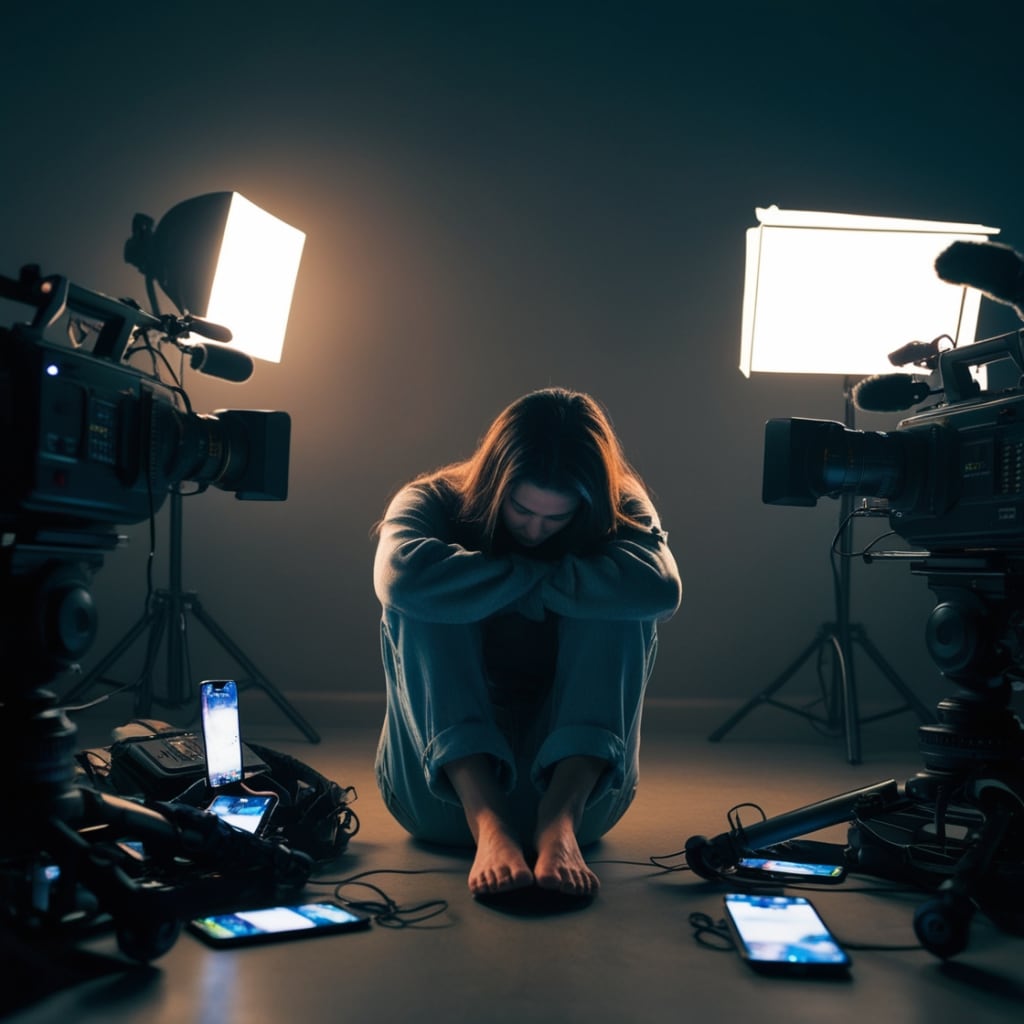
At first glance, influencer culture seems like the golden dream. Beautiful people in beautiful places, free products, paid vacations, endless brand deals, and lives curated to perfection. But behind those filtered frames and expertly crafted captions lies a complicated reality that is often hidden—one filled with pressure, burnout, blurred identities, and ethical dilemmas. As someone who’s spent years watching the rise of digital fame unfold, I’ve seen how this glamorous façade comes at a price most people don’t talk about, especially for the ones who create it.
Social media was supposed to democratize success. Anyone with a phone and a voice could build a platform and earn a living. In many ways, it delivered on that promise. Influencers have disrupted traditional advertising, launched businesses, and even shaped global trends. But the pressure to be "on" all the time—to perform, to post, to produce content regardless of personal circumstance—is unsustainable. The algorithm doesn’t care if you’re sad. It doesn’t pause when your mental health is falling apart. It rewards consistency, perfection, and emotional availability. And that constant emotional labor, delivered through an image of effortless authenticity, can quietly destroy a person’s sense of self.
I’ve spoken to micro-influencers who haven’t taken a real break in years. They plan vacations around content. They stage coffee shots in messy rooms that have been cropped and edited to appear cozy and aesthetic. They attend events just to be seen, constantly wondering if their value will disappear the moment their engagement drops. Most don’t have management teams. Most are their own photographers, editors, negotiators, and stylists. What looks like an easy lifestyle is often a one-person production studio operating without sick leave or retirement plans.
And then there’s the identity crisis. When you monetize your personality, your relationships, your life—what happens when the audience no longer likes the story you’re telling? Or worse, when you no longer like the story yourself? One influencer I interviewed confessed that after years of building her brand around motherhood, she felt trapped. Her kids were growing up. Her interests were shifting. But her audience didn’t care about personal growth; they wanted the young mom with tips and relatable chaos. She felt like a prisoner to her niche.
That’s a hidden cost that isn’t talked about enough: the commercialization of identity. Influencers aren’t just marketing a product—they are the product. Their bodies, their beliefs, their lifestyles become the battleground for likes, partnerships, and validation. And if you change, or express something that strays from your brand’s polished image, the internet doesn’t always forgive. Cancel culture and public call-outs are not just risks—they’re threats that hang over every post. One wrong sentence, one out-of-context comment, and years of work can unravel in hours.
This doesn’t just affect influencers. The culture surrounding them affects all of us. Regular people, especially young audiences, often compare their unfiltered lives to a curated feed. The result? Anxiety, insecurity, and the pressure to perform. We’ve all become mini-content creators to some degree, measuring our worth by engagement metrics. And that pressure isn’t sustainable for the broader public either. We're being influenced, even when we don’t realize it.
Another issue that hides in plain sight is how influencer culture distorts reality. Many influencers promote products they don’t use, wear clothes they return after a photo shoot, or praise experiences they were paid to have. That’s not necessarily evil—it’s marketing—but it raises ethical concerns. Especially when audiences are young, vulnerable, or unaware of the fine print. The line between authenticity and advertisement has never been blurrier, and trust is a currency that many spend too quickly.
Financial instability is another ghost lurking behind the ring lights. The top 1% of influencers might be making six or seven figures, but the majority are barely scraping by. Brand deals can be unpredictable, payment can be delayed for months, and platforms change their monetization policies with little warning. Creators who invest thousands in equipment and time may never see consistent returns. There’s no HR department. No safety net. No clear path forward once the clicks stop coming.
But here’s the complicated truth: it’s not all bad. There is power in building your own audience. There is something revolutionary about people—especially women, people of color, and LGBTQ+ creators—taking up space and getting paid for their voices. Influencer culture has created opportunities that didn’t exist before. But like any industry, it needs transparency, support, and accountability. And that begins by talking about the toll it takes on the people behind the lens.
To move forward in a healthier direction, we need more candid conversations about boundaries, mental health, and digital labor. Influencers deserve to be seen as workers, not just personalities. They need protections, community resources, and the freedom to grow beyond the niches they were once celebrated for. And audiences need to cultivate media literacy—understanding that what we see is often just the highlight reel, not the full movie.
Influencer culture, in its current form, is a double-edged sword. It can empower or exploit. Inspire or exhaust. It offers connection but sometimes at the cost of authenticity. As followers, consumers, and creators, we all have a part to play in reshaping the narrative. So the next time you scroll past that perfectly framed brunch, or that candid-looking video confession, pause. Ask yourself what might be hidden behind the glam. Sometimes the truth is less shiny—but more important—than we’d ever guess.
About the Creator
Muhammad Asim
Welcome to my space. I share engaging stories across topics like lifestyle, science, tech, and motivation—content that informs, inspires, and connects people from around the world. Let’s explore together!
Keep reading
More stories from Muhammad Asim and writers in Filthy and other communities.
The Dirty Truth About Fast Fashion Factories
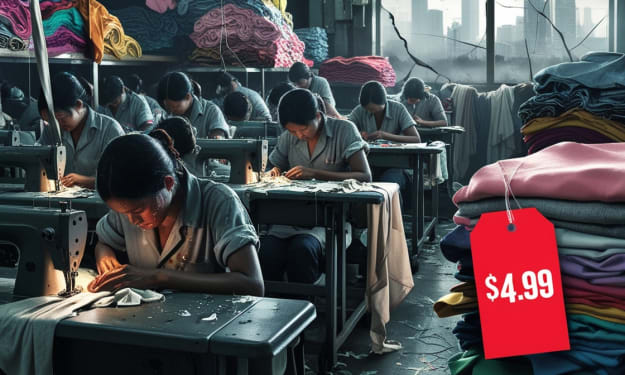
Most people don’t think twice when they snag a trendy $5 shirt off a store rack or order a bulk haul from their favorite online fashion site. The clothes arrive quickly, look decent enough, and cost less than a fancy cup of coffee. What many don't realize is that behind that low price tag lies a deeply troubling story—one stitched together with underpaid labor, dangerous working conditions, and staggering environmental damage. The rise of fast fashion has revolutionized how we consume clothing, but its true cost is far from visible in glossy online ads or influencer hauls. It's time we talk about the dirty truth behind fast fashion factories.
By Muhammad Asim7 months ago in Filthy
Why Relationships Feel Confusing And Emotionally Exhausting For Modern Couples
Contemporary couples are in a world that is more than ever faster. Profession, social responsibility, online interaction, and incessant messages do not leave time to feel. Couples tend to be dragged in opposite directions and do not know how to match their commitments and togetherness. In case life is hurried, it means that the communication in such a case is more concise, patience is lower, and misunderstandings increase. Emotional needs are unanimously noticed, which provokes tension and frustration. Love turns out to be a task and not something comfortable. With this busy life, couples are in fact tired and hence the relationships seem confusing and exhausting as opposed to safe and supportive.
By Emeri Adames7 days ago in Filthy



Comments
There are no comments for this story
Be the first to respond and start the conversation.