
Sustainable Eating: Reducing Food Waste and Embracing Eco-Friendly Practices
Reducing Food Waste
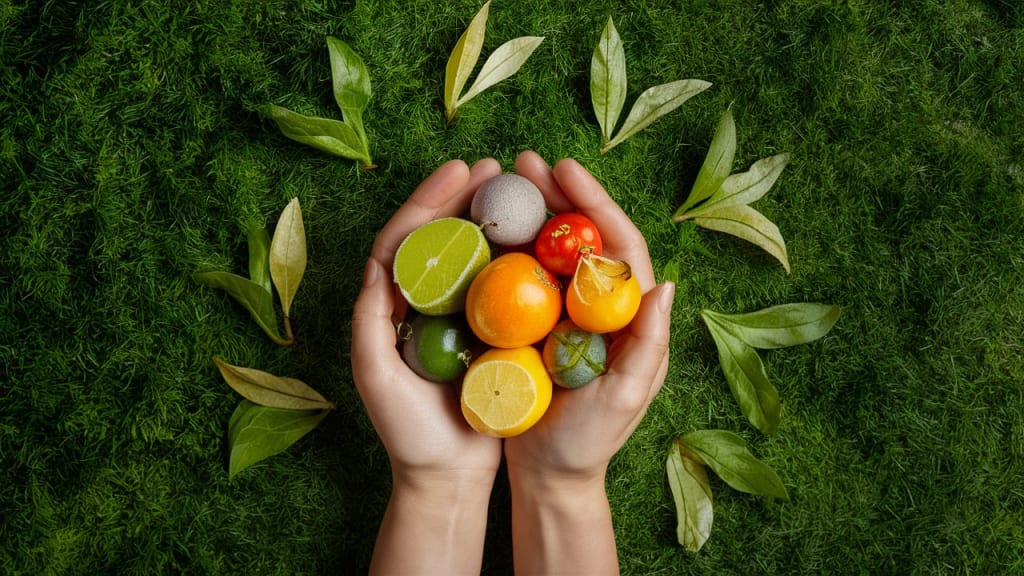
Sustainable eating is a growing trend that focuses on reducing food waste and embracing eco-friendly practices to help protect the environment and promote healthier communities. In today's world, where millions of people are suffering from hunger and malnutrition while tons of food are being wasted, sustainable eating has become more important than ever before. In this article, we will look at the concept of sustainable eating, the impact of food waste on the environment, and practical tips for individuals to reduce waste and adopt more sustainable eating habits.
•The Impact of Food Waste
•Food waste is a major issue that has far-reaching consequences for both the environment and society. According to the Food and Agriculture Organization of the United Nations (FAO), an estimated 1.3 billion tons of food are wasted globally every year, accounting for roughly one-third of all food produced for human consumption. This wasted food represents a huge waste of resources, including water, energy, and land, and contributes to greenhouse gas emissions, deforestation, and loss of biodiversity.
•In addition to the environmental impact, food waste also has social and economic implications. Millions of people around the world suffer from hunger and malnutrition, and yet perfectly edible food is being thrown away on a daily basis. This disparity highlights the need for a more sustainable approach to food production and consumption, one that ensures food is used efficiently and equitably to meet the needs of all people.
•The Benefits of Sustainable Eating
•Sustainable eating offers a number of benefits, both for individuals and for the planet. By reducing food waste and adopting eco-friendly practices, individuals can help conserve natural resources, reduce their carbon footprint, and support local farmers and producers. Sustainable eating also promotes healthier eating habits, as it encourages the consumption of fresh, whole foods that are rich in nutrients and free from harmful chemicals and additives.
•In addition to these personal benefits, sustainable eating has a positive impact on the environment as a whole. By reducing food waste, individuals can help lessen the strain on landfills, reduce greenhouse gas emissions, and preserve natural habitats. •Sustainable eating also promotes biodiversity and supports sustainable agriculture practices, which are essential for maintaining a healthy planet for future generations.
•Practical Tips for Sustainable Eating
•There are many simple steps that individuals can take to reduce food waste and embrace eco-friendly practices in their daily lives. •Some practical tips for sustainable eating:
1. Plan your meals ahead of time and only buy what you need: By planning your meals in advance and making a shopping list, you can avoid impulse buys and reduce the risk of food going to waste.
2. Store food properly: Make sure to store perishable items like fruits, vegetables, and dairy products in the refrigerator to extend their shelf life. Use airtight containers to prevent spoilage and freezer bags to store leftovers for later use.
3. Use leftovers creatively: Instead of throwing away leftovers, try incorporating them into new meals or repurposing them in creative ways. For example, leftover vegetables can be added to soups, stir-fries, or omelettes, while stale bread can be turned into breadcrumbs or croutons.
4. Support local farmers and producers: Buying locally grown and produced food helps reduce the carbon footprint associated with transporting and packaging food. It also supports local economies and promotes sustainable farming practices.
5. Compost food scraps: Instead of throwing food scraps in the trash, consider composting them to create nutrient-rich soil for your garden. Composting is a simple and effective way to reduce waste and promote sustainability.
By following these tips and making small changes to your eating habits, you can make a significant impact on reducing food waste and promoting a more sustainable food system. Sustainable eating is not only good for the environment, but also for your health and well-being. By embracing eco-friendly practices and reducing waste, you can help create a healthier and more sustainable future for generations to come.
About the Creator
Keep reading
More stories from Amily Brown and writers in Filthy and other communities.
Sustainable Eating: How to Make Eco-Friendly Choices in Your Daily Diet
In recent years, there has been a growing awareness of the impact our food choices have on the environment. From greenhouse gas emissions to water usage and deforestation, the food industry plays a significant role in the health of our planet. As consumers, we have the power to make a difference by opting for sustainable eating practices that not only benefit our health but also help protect the environment for future generations. In this article, we will explore how you can make eco-friendly choices in your daily diet. What is Sustainable Eating? Sustainable eating, also known as sustainable nutrition or eco-friendly eating, is a practice that aims to minimize the environmental impact of food production and consumption. This includes choosing foods that are produced in ways that preserve natural resources, reduce waste, and support local communities. Sustainable eating also considers the health and well-being of animals, workers, and consumers. Why is Sustainable Eating Important? The food industry is a major contributor to environmental degradation. According to the Food and Agriculture Organization of the United Nations (FAO), the global food system is responsible for about one-third of greenhouse gas emissions, 70% of freshwater usage, and 80% of deforestation. These statistics highlight the urgent need for more sustainable food practices to protect our planet. In addition to environmental concerns, there are also health benefits associated with sustainable eating. By choosing whole, plant-based foods and reducing the consumption of processed and animal-based products, you can lower your risk of chronic diseases such as heart disease, obesity, and diabetes. Tips for Sustainable Eating 1. Eat More Plant-Based Foods One of the most effective ways to reduce your environmental impact is by incorporating more plant-based foods into your diet. Plant-based foods require less water, land, and energy to produce compared to animal-based products. According to a study published in the journal Science, switching to a plant-based diet can reduce greenhouse gas emissions by up to 70%. Start by making small changes such as swapping out meat for plant-based protein sources like beans, lentils, tofu, and quinoa. Incorporate a variety of fruits, vegetables, whole grains, and nuts into your meals to ensure you are getting all the essential nutrients your body needs. 2. Buy Local and Seasonal Produce Supporting local farmers and purchasing seasonal produce is another way to reduce your carbon footprint. Locally grown foods require less transportation, storage, and refrigeration, which helps to lower greenhouse gas emissions. Visit your local farmers’ market or join a community-supported agriculture (CSA) program to access fresh, seasonal fruits and vegetables. When shopping for groceries, look for labels that indicate the food is grown or produced locally. By choosing local and seasonal options, you are not only supporting your community but also prioritizing freshness and quality in your meals. 3. Reduce Food Waste Food waste is a significant issue that contributes to environmental pollution and resource depletion. According to the FAO, approximately one-third of all food produced for human consumption is wasted globally each year. To combat food waste, practice mindful eating habits and plan your meals to avoid buying more than you need. To minimize waste, use leftovers creatively in new dishes, freeze excess food for later use, and compost food scraps. By reducing food waste, you can save money, conserve resources, and lower your environmental impact.
By Amily Brown about a year ago in Filthy
Modern Relationships and Why People Fear Deep Commitment
Dedication in the present day relationships is no longer definite or universal. Commitment has been in the past influenced by the society, family pressures, and definite schedules. Nowadays, individuals are being fostered to structure relationships based on personal freedom and individual objectives. This flexibility has provided a choice but it has also eliminated structure. In the absence of shared expectations, commitment may become unspecific or daunting, and individuals will be afraid to have an all-in attitude.
By Olivia Smith7 days ago in Filthy
Relationships That Grow Stronger Through Life Changes
It is emotional safety that enables relationships to survive and prosper in the modern dating scene which is complicated. Although romance tends to be in the limelight, emotional safety is what will be the difference between love being stable or stressful. Emotional safety implies being accepted, heard, and safe without the fear of being judged and abandoned. When partners are emotionally free to share, they are free to be completely honest with each other, despite the presence of messy and uncomfortable emotions. This safety provides an easy emotional atmosphere in which connection can develop as an extension of itself as opposed to a result of anxiety and insecurity.
By Willian James7 days ago in Filthy




Comments
There are no comments for this story
Be the first to respond and start the conversation.