
Australia Animal Health Market: Livestock Demand, Disease Prevention & Product Innovation
How rising livestock production, increasing focus on disease prevention and ongoing product innovation are shaping Australia’s animal health market

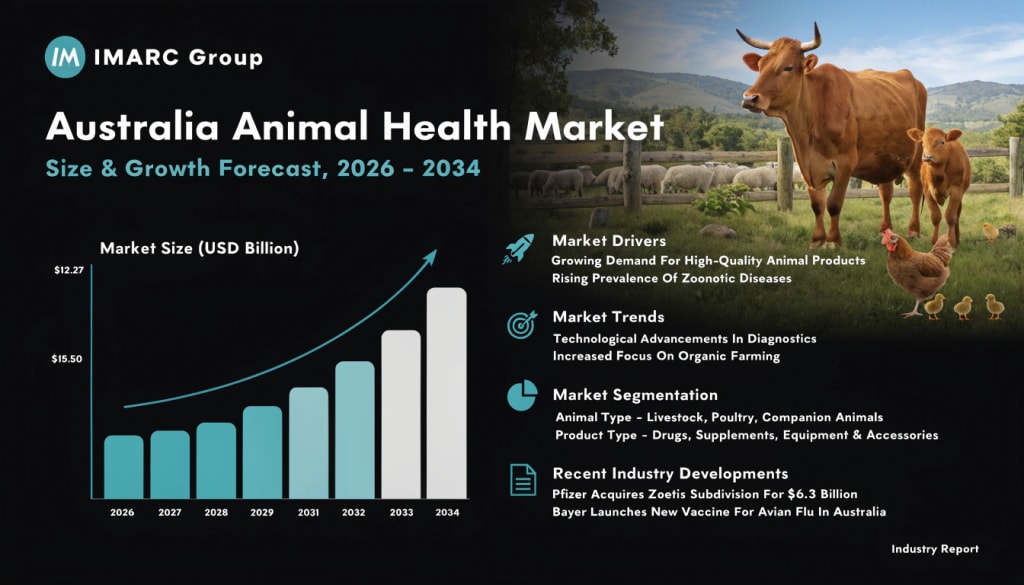
According to IMARC Group, the Australia animal health market reached USD 801.6 Million in 2025 and is projected to grow to USD 1,025.3 Million by 2034, exhibiting a compound annual growth rate (CAGR) of 2.69% during 2026–2034. This steady growth reflects the strategic importance of veterinary care, livestock productivity and biosecurity management across Australia. The animal health industry encompasses vaccines, pharmaceuticals, feed additives, diagnostics and veterinary services for both companion animals and livestock. As pet ownership rises and export-driven livestock industries expand, demand for preventive healthcare and advanced treatment solutions is strengthening nationwide.
Why Should Smart Buyers and Investors Know About the Australia Animal Health Market?
Stable Long-Term Growth
With a projected CAGR of 2.69%, the market demonstrates consistent expansion linked to structural agricultural demand.
Export-Driven Demand Security
Strong international demand for Australian livestock supports sustained health management investment.
Preventive Healthcare Emphasis
Growing focus on vaccines and diagnostics ensures recurring product demand.
Diversification Across Companion and Livestock Segments
Balanced growth between pet care and production animals reduces sector concentration risk.
Alignment With Public Health and Biosecurity Goals
Animal health investments support broader public health and food safety objectives.
Recent Trends & Developments in the Australia Animal Health Market
July 2025:
Veterinary suppliers expanded digital diagnostic solutions for livestock monitoring.
April 2025:
Pet healthcare brands introduced premium wellness supplements targeting preventative care.
October 2024:
Government biosecurity programs enhanced surveillance frameworks to strengthen export reliability.
The Australia animal health market represents a critical pillar supporting both agricultural productivity and companion animal welfare. Backed by IMARC’s steady growth projections, the sector is evolving through preventive healthcare strategies, technological innovation and strengthened biosecurity frameworks. As livestock exports remain central to the economy and pet ownership continues to rise, demand for advanced vaccines, diagnostics and wellness products will persist. For pharmaceutical manufacturers, veterinary service providers and investors, Australia’s animal health market offers a forward-looking opportunity anchored in disease prevention, export reliability and sustained demand within a resilient and biosecure agricultural ecosystem.
Australia Animal Health Market Vision 2050
1. Precision Livestock Health Monitoring
By 2050, wearable devices and AI analytics may monitor livestock health metrics in real time, reducing disease risks.
2. Advanced Vaccine Technologies
Next-generation vaccines may offer broader protection and longer immunity cycles.
3. Digital Veterinary Ecosystems
Integrated digital platforms could connect veterinarians, farmers and regulatory agencies for real-time disease tracking.
4. Sustainable Animal Nutrition Solutions
Functional feed additives and probiotics may improve animal immunity while reducing antibiotic reliance.
5. Global Biosecurity Leadership
Australia may further strengthen its reputation as a biosecure livestock exporter through advanced monitoring systems.
What Are the Key Growth Drivers in the Australia Animal Health Market?
Rising Livestock Production and Export Orientation
Australia’s strong cattle, sheep and poultry sectors remain essential contributors to the national economy. Livestock producers are prioritizing disease prevention, vaccination programs and herd health management to maintain productivity and meet export standards.
Increasing Focus on Disease Prevention
Preventive healthcare strategies are gaining prominence in both livestock and companion animal segments. Vaccines, parasiticides and biosecurity measures reduce the economic impact of outbreaks while safeguarding public health.
Growing Pet Ownership and Humanization Trends
The rising number of companion animals is expanding demand for veterinary pharmaceuticals, supplements and preventive care products. Pet owners increasingly seek premium healthcare solutions and routine wellness check-ups.
Heightened Awareness of Zoonotic Diseases
Global concerns about zoonotic disease transmission are encouraging stricter animal health monitoring and vaccination initiatives. Surveillance programs and diagnostics play a crucial role in maintaining national biosecurity standards.
Veterinary Technological Advancements
Innovations in diagnostic imaging, rapid testing kits and digital health monitoring devices are enhancing veterinary care quality. Telemedicine and digital record systems are improving accessibility in rural areas.
Government Initiatives and Biosecurity Regulations
Government-backed animal health programs, import-export regulations and disease control policies reinforce structured monitoring systems. These frameworks support market stability and long-term sector growth.
About the Creator
Kevin Cooper
Hi, I'm Kavin Cooper — a tech enthusiast who loves exploring the latest innovations, gadgets, and trends. Passionate about technology and always curious to learn and share insights with the world!
Keep reading
More stories from Kevin Cooper and writers in Futurism and other communities.
Australia Hair Care Market: Consumer Trends, Product Innovation & Retail Expansion
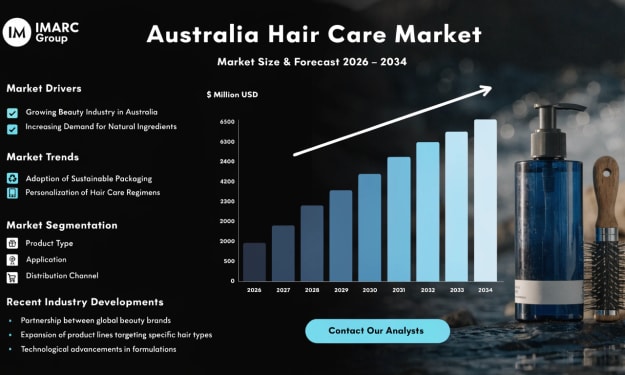
According to IMARC Group, the Australia hair care market was valued at USD 1.36 Billion in 2025 and is projected to reach USD 2.03 Billion by 2034, exhibiting a compound annual growth rate (CAGR) of 4.51% during 2026–2034. This steady expansion reflects shifting consumer grooming preferences, increasing premiumization and expanding omnichannel retail networks across Australia. Hair care products—ranging from shampoos and conditioners to styling solutions, treatments and hair colorants—are increasingly positioned as wellness-oriented and sustainability-driven offerings. As consumers prioritize scalp health, ingredient transparency and eco-conscious packaging, the Australian hair care industry is undergoing meaningful transformation.
By Kevin Coopera day ago in Futurism
Stanislav Kondrashov Oligarch Series: Oligarchy and the Energy Infrastructures of the Future
For decades, immense fortunes were tied to factories, shipping lanes, and financial institutions. Today, the centre of gravity is shifting again. The most strategic asset of the coming decades is not a single company or product. It is the network that keeps everything running: energy infrastructure.
By Stanislav Kondrashovabout 20 hours ago in Futurism
Bunker Fuel Market Trends: LNG Adoption, Decarbonization Efforts & Forecast to 2034
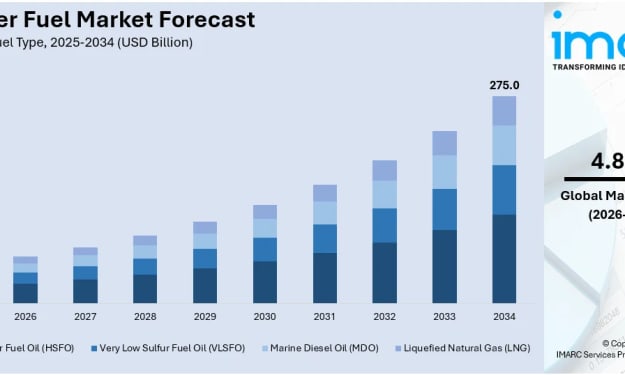
Expanding global maritime trade, stringent environmental regulations, and rising adoption of cleaner fuel alternatives are driving steady growth in the bunker fuel market, supported by port infrastructure expansion, IMO sulfur cap compliance, and increasing investment in LNG bunkering facilities worldwide. According to IMARC Group's latest data, the global bunker fuel market size was valued at USD 168.59 Billion in 2024. Looking forward, IMARC Group estimates the market to reach USD 268.92 Billion by 2033, exhibiting a CAGR of 5.06% during 2025-2033. Asia-Pacific currently dominates the market, holding a market share of 45.6% in 2024.
By Suhaira Yusuf2 days ago in Futurism


Comments
There are no comments for this story
Be the first to respond and start the conversation.