
ByteDance to Halt Seedance 2.0’s AI Content After Legal Warnings from Disney and Paramount
TikTok parent faces copyright disputes over AI-generated video content as studios push back

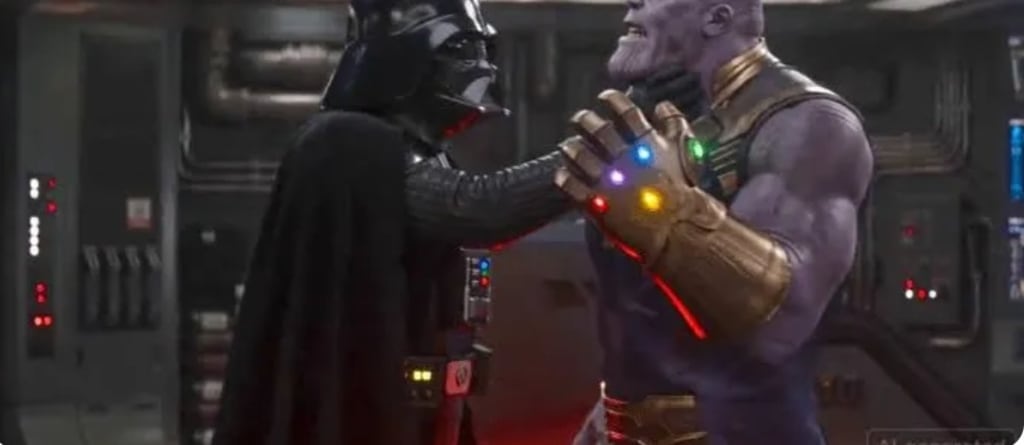
ByteDance Faces Legal Pressure
ByteDance, the parent company of TikTok, has announced plans to halt AI-generated content from its platform Seedance 2.0 after receiving legal notices from major Hollywood studios. Disney and Paramount, two of the largest U.S. media companies, issued warnings that the AI-generated content infringed on copyrighted material.
The decision comes amid growing concern over the use of artificial intelligence to replicate or imitate copyrighted works. Seedance 2.0, ByteDance’s AI content tool, allowed users to generate videos that drew heavily on the creative styles and intellectual property of established films.
The Controversy Around AI and Copyright
Artificial intelligence platforms like Seedance 2.0 rely on machine learning models trained on vast datasets, including films, images, and music. While AI can produce new content, studios argue that the outputs can replicate copyrighted material without permission, violating intellectual property rights.
Legal experts note that the case reflects a larger industry debate: where to draw the line between inspiration and infringement. For studios like Disney and Paramount, protecting their creative works is crucial, especially as AI tools become more sophisticated and widely available.
ByteDance’s Response
In response to the legal threats, ByteDance stated that Seedance 2.0 will temporarily pause certain AI features while the company reviews its compliance with copyright laws. A spokesperson said, “We respect intellectual property rights and are committed to ensuring that our AI platforms operate within legal frameworks.”
The company also indicated that it will explore ways to adjust the AI models to avoid replicating copyrighted material directly. This may include changes to training datasets and content moderation practices.
Disney and Paramount’s Position
Disney and Paramount issued statements emphasizing the importance of protecting creators’ rights. They argued that AI tools, if unchecked, could undermine decades of creative investment.
Legal teams from both studios have warned other platforms as well, signaling that copyright enforcement in the era of AI will be proactive. Analysts expect further scrutiny of AI content from social media platforms in the coming months.
The Impact on Users
Seedance 2.0 users who enjoyed generating AI-based content may see changes to the platform’s features. Videos that previously incorporated recognizable elements from popular films will likely be blocked or modified.
While ByteDance has not indicated permanent removal, users will need to adapt to new guidelines. This may affect engagement levels, particularly among creators who rely on trending content and references.
The Broader AI Content Debate
The Seedance 2.0 case is part of a growing debate about AI and creativity. On one hand, AI offers opportunities for users to create, remix, and explore new media forms. On the other hand, content that imitates or copies existing works raises legal and ethical concerns.
Experts warn that balancing innovation with intellectual property protection will be a challenge for tech companies worldwide. How AI platforms handle these issues may shape public trust and regulatory approaches.
International Implications
ByteDance operates globally, meaning its decisions have cross-border implications. Copyright laws vary by region, and enforcement can differ significantly between countries.
The company may face similar challenges in other markets as studios monitor AI content replication. International legal frameworks may need updates to address AI-specific cases.
Potential Solutions
Several approaches are under discussion to address AI and copyright concerns:
1. Dataset Filtering: Removing copyrighted works from AI training datasets to prevent direct imitation.
2. Licensing Agreements: Collaborating with studios to use copyrighted material legally.
3. Content Monitoring: Implementing automated systems to detect infringing outputs before publication.
4. User Education: Informing creators about what constitutes infringement in AI-generated content.
Experts suggest that combining multiple strategies will be necessary for sustainable compliance.
Industry Reactions
Other tech companies are watching the ByteDance case closely. Platforms such as Meta, Google, and OpenAI face similar challenges with AI content. Some have already implemented licensing deals or content moderation systems to minimize infringement risk.
Analysts expect that the outcome of Seedance 2.0’s pause could influence policy decisions across the tech sector, particularly regarding AI content tools that interact with copyrighted media.
Legal Considerations
Copyright law has not yet fully adapted to AI-generated content. Courts may need to address whether outputs created by algorithms qualify as derivative works and how liability is determined.
ByteDance’s pause may preempt litigation and signal a willingness to cooperate with studios. Legal observers note that proactive adjustments can reduce exposure to lawsuits and reputational risk.
Financial and Business Implications
AI content tools are an emerging area for monetization. Seedance 2.0 allowed ByteDance to attract creators, increase engagement, and explore advertising opportunities.
The temporary halt could affect these business objectives, but studios’ warnings highlight the financial risks of ignoring intellectual property rights. Long-term solutions may include partnerships with media companies to legally use content.
Looking Ahead
The Seedance 2.0 case demonstrates the tension between innovation and legal frameworks. As AI tools continue to develop, companies will need to navigate a complex landscape of copyright laws, user expectations, and technological capability.
ByteDance is expected to refine its AI models and moderation systems. Meanwhile, studios are likely to continue monitoring platforms to protect creative works. How these dynamics evolve may set precedents for the entire AI content industry.
Conclusion
ByteDance’s decision to pause AI-generated content on Seedance 2.0 highlights the growing intersection of technology, creativity, and law. Disney and Paramount’s legal warnings illustrate the stakes for companies and creators alike.
As AI becomes more integrated into content creation, balancing innovation with intellectual property protection will be critical. ByteDance’s response may serve as a model for other platforms navigating similar challenges.
The Seedance 2.0 case reflects a larger conversation about the future of AI in entertainment, user engagement, and copyright enforcement. The coming months will reveal how technology and law adapt to ensure creativity thrives without infringing on established works.
About the Creator
Saad
I’m Saad. I’m a passionate writer who loves exploring trending news topics, sharing insights, and keeping readers updated on what’s happening around the world.



Comments
There are no comments for this story
Be the first to respond and start the conversation.