
Data – the most valuable asset of the 21st century 📊💡
Beyond the hype: Transforming unstructured noise into actionable intelligence through the power of AI.

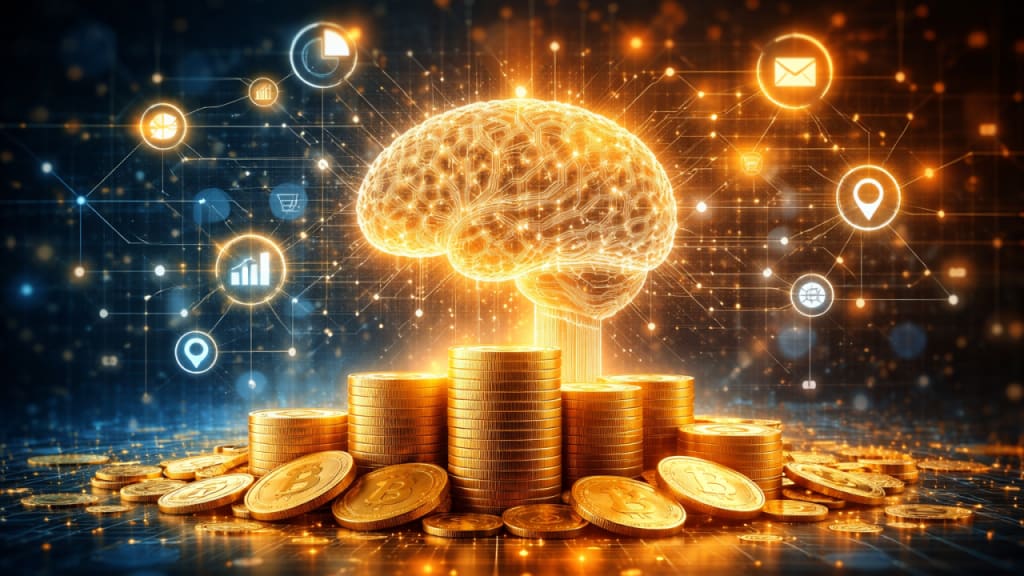
Have you ever wondered what the greatest wealth in the world is? Silver 🪙, gold 🏆, diamonds 💎, expensive jewels? Probably at some point. While these treasures still hold value, today there is something that surpasses them all – data, or information 📈.
Every day, we generate enormous amounts of data – from our phones 📱, computers 💻, TVs 📺, emails 📧, posts on LinkedIn, Facebook, and Twitter… The numbers are so huge that it’s hard to grasp them 🤯. In 2026, we are no longer just consumers of information; we are its primary architects. Every digital footprint we leave is a data point that contributes to a global map of human behavior.
Data is mainly divided into two categories:
Structured data – organized in a specific way, easy to analyze. Examples: bank transactions 💳, contact information 📇, dates 📅, survey results 📝.
Unstructured data – without a fixed structure, harder to process. Examples: emails 📧, social media posts 📱, audio and video recordings 🎥, photos 📷, text documents 📄.
According to industry reports, about 80% of all data generated today is unstructured, highlighting both the challenge and the enormous potential in analyzing it 🌐. This is where the real revolution happens. Until recently, this "digital noise" was ignored because it was too messy to understand. Today, thanks to Large Language Models (LLMs) and advanced neural networks, we can finally "read" these images and "listen" to these recordings at scale.
But what makes this data truly valuable? Its value lies in how we use it 💡. Raw data is like crude oil – it has immense potential energy, but it is useless until it is refined. In our world, the "refineries" are Artificial Intelligence and Machine Learning algorithms. Companies that can analyze data, draw insights from it, and make fact-based decisions gain a competitive edge 🏆.
Examples? Netflix 🎬 analyzes what we watch to suggest the next movies, Amazon 🛒 personalizes shopping recommendations, and banks 💳 detect fraud in real time through transaction analysis. In the medical sector, data analysis allows doctors to predict disease outbreaks or personalize cancer treatments based on a patient’s unique genetic code. Even small businesses can gain huge benefits by optimizing marketing campaigns, market research, or customer experience 📊.
However, with great power comes great responsibility. As data becomes the new gold, the "vaults" protecting it must become stronger. Data privacy and ethics are no longer just legal hurdles; they are the foundation of brand trust. In 2026, a single data breach can devalue a company faster than a stock market crash. We are seeing a shift toward "Sovereign Data," where users have more control over who mines their personal "gold mines" and for what purpose.
Companies that can extract actionable insights from data while respecting user privacy not only save time and resources ⏱️, but often stay several steps ahead of their competitors 🚀. Imagine that every click 🖱️, every message ✉️, every post is a small piece of a puzzle 🧩. Those who can put it together see the full picture of the market, the customer, and opportunities that others miss 👀. In a world where every decision can determine success, information becomes the true currency of the 21st century 🏅.
💡 Conclusion? Data alone has no value. It is merely a collection of ones and zeros. True wealth lies in the refinement process – how you analyze and apply it 📈 to make better decisions, drive innovation 💡, and gain a competitive advantage 🏆. The question is no longer whether you have data, but whether you have the tools to make it speak.
And you? 🤔
How are you managing your "digital gold"? Do you feel in control of the information you share, or do you feel like a passive source for others to mine? Let’s discuss the future of data privacy in the comments! 💬
About the Creator
Piotr Nowak
Pole in Italy ✈️ | AI | Crypto | Online Earning | Book writer | Every read supports my work on Vocal
Keep reading
More stories from Piotr Nowak and writers in Futurism and other communities.
Blockchain and Cryptocurrencies in 2026: More than Just Investments – New Business Applications 🚀
When we hear “blockchain” or “cryptocurrencies,” most of us immediately think of Bitcoin, speculation, and volatile investments. 💰 However, focusing solely on price charts means missing the bigger picture. Blockchain is much more than digital coins; it is a fundamental shift in infrastructure. It is a technology that is radically changing how global companies operate, store sensitive data, and verify complex transactions without traditional intermediaries. 🏢
By Piotr Nowak2 days ago in Futurism
Australia Convenience Food Market: Consumer Lifestyles, Retail Expansion & Product Innovation
According to IMARC Group, the Australia convenience food market reached a value of USD 15.2 Billion in 2025 and is projected to grow to USD 26.9 Billion by 2034, exhibiting a compound annual growth rate (CAGR) of 6.50% during 2026–2034. This strong expansion reflects the transformation of food consumption patterns across Australia, where time efficiency and flexibility increasingly shape purchasing behavior. Convenience food—including ready-to-eat meals, frozen items, packaged snacks and quick-preparation products—has evolved from occasional use to a daily dietary component. As urbanization accelerates and lifestyles become more fast-paced, convenience foods are becoming integral to modern eating habits, supported by retail innovation and product development.
By Kevin Coopera day ago in Futurism
Usage-Based Insurance Market Analysis: Risk Assessment Models & Revenue Forecast
Advancements in telematics technology, growing consumer demand for personalized insurance models, and expanding integration of connected vehicle platforms are fueling the usage-based insurance market. According to IMARC Group's latest data, The global usage-based insurance market size was valued at USD 62.35 Billion in 2024. Looking forward, IMARC Group estimates the market to reach USD 355.45 Billion by 2033, exhibiting a CAGR of 20.27% from 2025-2033. North America currently dominates the market, holding a market share of 40.6% in 2024.
By sujeet. imarcgroup6 days ago in Futurism




Comments
There are no comments for this story
Be the first to respond and start the conversation.