
How to Ensure Engine Reliability for Your Cummins QSK60
Tech
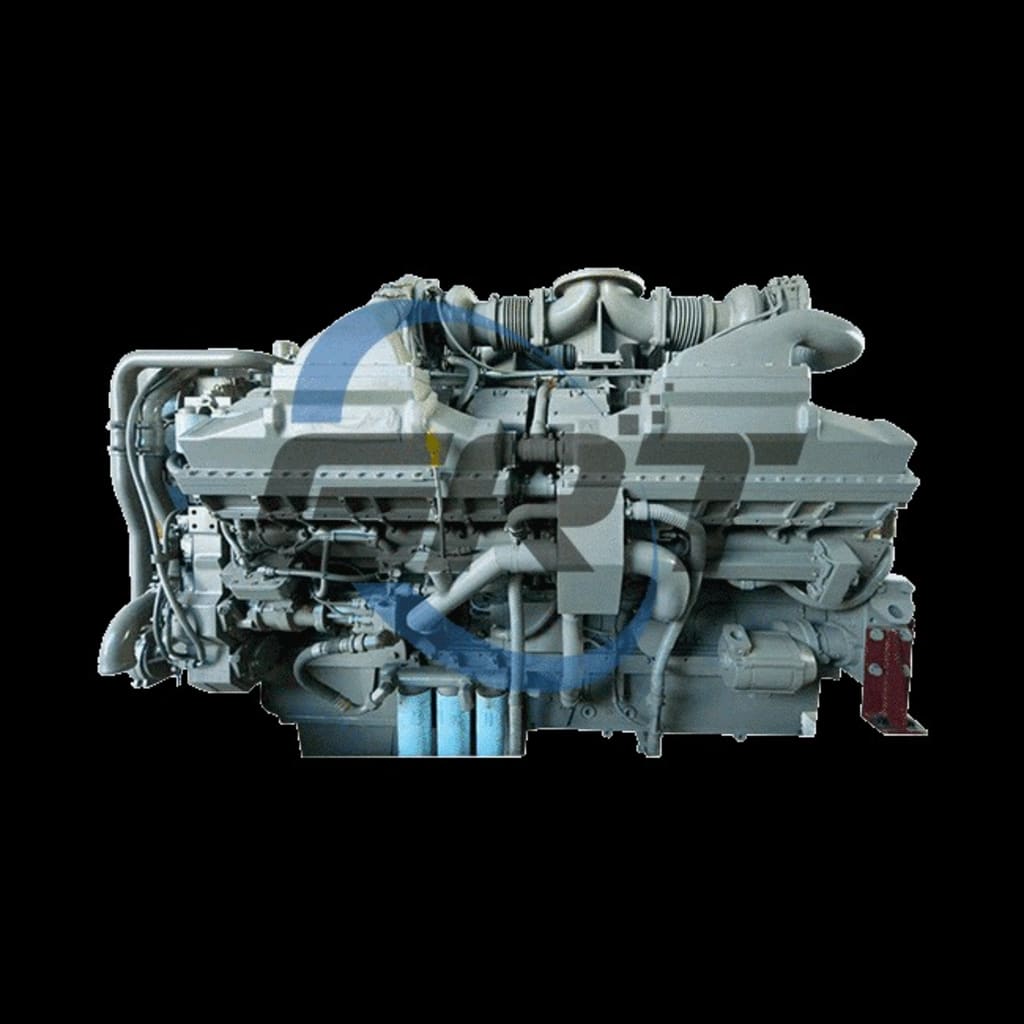
The Cummins QSK60 engine stands as a powerhouse in heavy-duty operations, delivering exceptional performance across mining sites, marine vessels, and power generation facilities worldwide. For fleet managers overseeing these critical assets, unexpected downtime represents more than an inconvenience—it translates directly into lost revenue, missed deadlines, and cascading operational disruptions that can cost thousands of dollars per hour.
The central challenge lies in maintaining peak engine performance while controlling the total cost of ownership in an environment where both reliability and budget efficiency are non-negotiable. This article serves as your strategic guide to maximizing Cummins QSK60 reliability through proven maintenance practices and intelligent support systems.
By focusing on proactive care rather than reactive repairs, you'll discover how to transform engine maintenance from a cost center into a competitive advantage that keeps your operations running smoothly and profitably.
Understanding the Cummins QSK60: A Foundation for Reliability
The Cummins QSK60 represents engineering excellence in the 60-liter displacement class, generating between 1,800 and 3,000 horsepower depending on configuration. This inline-16 cylinder giant powers dragline excavators in open-pit mines, propels large commercial vessels across oceans, and provides backup electricity for hospitals and data centers during grid failures.
Its modular design and advanced fuel injection systems enable remarkable fuel efficiency for its size, yet this sophistication demands respect. Unlike simpler engines that tolerate occasional neglect, the QSK60's high-pressure fuel systems, precision-machined components, and complex electronic controls require maintenance executed with exacting standards. Reliability rests on three interconnected pillars that work synergistically rather than independently.
First, proactive care through scheduled interventions prevents small issues from escalating into catastrophic failures.
Second, quality parts ensure that every replacement component meets the exact tolerances and metallurgical specifications the engine was designed around.
Third, expert support—whether from authorized service centers or well-trained in-house technicians—provides the knowledge base to interpret diagnostic data correctly and execute repairs properly the first time.
Understanding these fundamentals transforms maintenance from a checkbox exercise into a strategic reliability program that protects your substantial capital investment.
Proactive Maintenance: The #1 Strategy for Reducing Downtime
Every hour of unplanned downtime carries consequences that ripple through your entire operation, making prevention the most profitable investment you can make.
A proactive maintenance philosophy shifts the equation fundamentally—instead of responding to failures, you systematically eliminate their root causes before they manifest. This approach reduces emergency repair costs by up to 70% while extending engine life well beyond baseline expectations.
Adhering to the OEM Maintenance Schedule
Cummins engineers designed the QSK60 maintenance intervals based on extensive testing that accounts for thermal stress, contamination accumulation, and component fatigue patterns. Your service schedule specifies oil changes typically every 500 operating hours, fuel filter replacements at defined intervals, and coolant system flushes based on condition monitoring.
Skipping even a single oil change allows acidic combustion byproducts to corrode bearing surfaces, while delayed fuel filter changes permit abrasive particles to score precision-machined injector components. Treat these intervals as absolute minimums rather than suggestions—in harsh operating environments like dusty mining sites or high-sulfur marine fuel applications, consider shortening intervals by 20-30% to provide additional protection margins.
Implementing Advanced Monitoring and Diagnostics
Modern QSK60 engines continuously generate performance data through their Electronic Control Module, creating an opportunity for intelligence-driven maintenance. Install telematics systems that transmit real-time metrics including oil pressure trends, coolant temperature variations, fuel consumption patterns, and active fault codes directly to your maintenance office.
When oil pressure drops by just 5 PSI below baseline, the system alerts you to investigate before bearing damage occurs. Elevated exhaust temperatures signal turbocharger inefficiency or air filter restriction weeks before performance degradation becomes obvious. Schedule monthly data reviews where technicians analyze trend reports to identify gradual deterioration patterns—a slowly climbing coolant temperature might reveal scale buildup in the heat exchanger, allowing you to schedule a cleaning during planned downtime rather than facing an emergency shutdown when the engine overheats during peak production.
Cost Management Through Strategic Engine Maintenance
Fleet managers face constant pressure to reduce operating expenses, yet cutting corners on engine maintenance creates a false economy that multiplies costs exponentially. Strategic maintenance investment actually lowers your total cost of ownership by preventing expensive failures and maximizing asset utilization throughout the engine's lifecycle.
Investing in Genuine Cummins Parts and Fluids
Genuine Cummins components carry precise metallurgical specifications, heat treatments, and dimensional tolerances engineered specifically for QSK60 operating stresses. An authentic fuel injector maintains spray patterns within microns across millions of cycles, ensuring complete combustion and preventing cylinder wash that destroys rings and liners. Counterfeit injectors may cost 40% less initially but fail prematurely, allowing unburned fuel to contaminate oil and score cylinder walls—damage requiring a complete overhaul costing ten times the savings from the cheap part.
Similarly, Cummins-approved oils contain additive packages formulated to neutralize the specific acids and contaminants generated by high-pressure common rail combustion. Generic lubricants lacking these additives allow corrosive attack on bearings and camshafts, shortening engine life by thousands of hours. The upfront premium for genuine parts typically represents just 15-20% more than aftermarket alternatives, yet this investment prevents catastrophic failures that can sideline equipment for weeks and cost six figures in emergency repairs and lost production.
Optimizing Fuel Efficiency for Operational Savings
Maintenance directly impacts fuel consumption, and with large engines burning hundreds of gallons daily, even small efficiency gains generate substantial savings. Begin by calibrating fuel injection timing annually using Cummins diagnostic software—timing drift of just two degrees increases fuel consumption by 3-5% while reducing power output. Replace air filters when restriction indicators signal, not on arbitrary schedules, since clogged filters force the turbocharger to work harder and increase pumping losses.
Clean turbocharger compressor housings every major service interval to remove oil deposits that disrupt airflow and reduce boost efficiency. Use the exact oil viscosity grade specified for your operating temperature range; oil that's too thick increases internal friction and parasitic power loss, while oil that's too thin allows increased blow-by past rings. These combined measures typically improve fuel economy by 5-8%, translating to annual savings of $50,000 or more per engine in continuous-duty applications.
Planning for Major Overhauls and Rebuilds
QSK60 engines typically require top-end overhauls around 15,000-20,000 hours and complete in-frame rebuilds at 30,000-40,000 hours depending on application severity. Establish a capital reserve fund that accumulates $3-5 per operating hour specifically for these major events, ensuring budget availability when service becomes due. Schedule overhauls during planned production slowdowns or seasonal maintenance windows rather than waiting for failure—a planned top-end overhaul costs roughly $75,000 and takes five days in a shop, while an emergency rebuild after catastrophic failure can exceed $200,000 and require three weeks when expedited parts shipping and overtime labor are factored in.
Begin planning six months before reaching target hours by securing shop capacity, ordering long-lead components like crankshafts or cylinder heads, and arranging backup equipment to cover the downtime window. This disciplined approach transforms major maintenance from a crisis into a routine business process that protects both your budget and operational continuity.
Building a Robust Maintenance Support System
Technical excellence and quality parts deliver value only when supported by knowledgeable people and reliable partnerships. Building a robust support infrastructure ensures your maintenance program functions consistently, even as personnel change and operational demands evolve.
Partnering with an Authorized Cummins Distributor or Service Center
Authorized Cummins distributors maintain factory-trained technicians who complete annual recertification on the latest QSK60 systems and service procedures. These facilities stock genuine parts with immediate availability, eliminating the delays that turn a two-day repair into a two-week ordeal. Their diagnostic equipment includes proprietary Cummins software tools that access deeper ECM data than generic scan tools, enabling precise troubleshooting of complex electronic issues. Warranty coverage remains valid when authorized centers perform service, protecting your investment if a component fails prematurely.
Establish a relationship with your regional distributor before emergencies arise—negotiate service level agreements that guarantee response times, discuss parts stocking arrangements for your specific engine configurations, and schedule annual performance reviews where their technical specialists audit your maintenance practices and recommend improvements based on fleet-wide data patterns they observe across similar applications.
Developing In-House Technician Expertise
Large fleet operations benefit significantly from cultivating internal QSK60 expertise among maintenance staff. Enroll your lead mechanics in Cummins-certified training courses covering fuel system diagnostics, electronic troubleshooting, and major component overhaul procedures. These programs typically span three to five days and provide hands-on experience with actual engine components under instructor guidance.
Subscribe to Cummins Quickserve Online, which gives technicians 24/7 access to service manuals, wiring diagrams, torque specifications, and technical service bulletins addressing known issues and updated repair procedures. Create a mentorship structure where experienced technicians work alongside newer staff during complex repairs, transferring institutional knowledge about your specific engines' quirks and history. Budget for ongoing education—allocate at least 40 hours annually per technician for training updates as Cummins releases new diagnostic software and service techniques.
Creating a Comprehensive Maintenance Log and History
Detailed documentation transforms maintenance from isolated events into strategic intelligence. Implement digital fleet management software that records every service action with date, engine hours, technician name, parts replaced, and diagnostic findings. Photograph unusual wear patterns or damaged components to build a visual reference library. This history enables trend analysis—if turbocharger failures occur every 8,000 hours, investigation might reveal air filter service intervals need shortening for your dusty environment.
Complete records validate warranty claims by proving proper maintenance, potentially saving hundreds of thousands on disputed failures. When selling equipment, documented maintenance history commands premium pricing as buyers gain confidence in asset condition. Many diesel engine specialists, including providers like GRT, emphasize the importance of comprehensive service records when evaluating used equipment or planning long-term maintenance strategies. Require technicians to enter data immediately after completing work, not days later when details fade, and conduct quarterly audits to ensure record accuracy and completeness across your entire fleet.
Maximizing QSK60 Performance Through Strategic Maintenance Excellence
Ensuring Cummins QSK60 reliability demands a strategic, comprehensive approach that transforms maintenance from reactive firefighting into proactive asset management. The pillars supporting this transformation work in concert: rigorous adherence to OEM maintenance schedules prevents small issues from escalating into catastrophic failures, while advanced monitoring systems provide the intelligence needed to intervene before problems manifest.
Strategic investment in genuine Cummins parts and fluids protects against premature wear that multiplies costs exponentially, and optimizing fuel efficiency through proper maintenance delivers measurable operational savings that offset service investments. Building robust support systems—whether through authorized distributor partnerships, cultivated in-house expertise, or meticulous documentation practices—ensures consistency and knowledge continuity as your operation evolves.
For fleet managers, this disciplined methodology directly translates into minimized unplanned downtime, controlled total cost of ownership, and maximized equipment availability during critical production periods. The QSK60's substantial capital investment deserves protection through equally substantial commitment to maintenance excellence, creating a competitive advantage that keeps your operations running profitably while competitors struggle with preventable failures and emergency repairs.
About the Creator
New Epstein Files Fail to Quell Outrage as Advocates Claim Key Documents Remain Withheld
The release of newly unsealed files in the Jeffrey Epstein case was met with a surge of public attention, but instead of satisfying the clamoring demands for justice and transparency, these documents have done little to ease the growing sense of outrage. Advocates for survivors of sexual abuse and the public at large have expressed disappointment, claiming that critical evidence and key documents have yet to be disclosed. The ongoing mystery surrounding Epstein’s network of powerful associates and the potential for further exposure of the full extent of his crimes only deepens the demand for complete accountability.
By Ayesha Lashariabout 16 hours ago in Futurism
AI-Driven Data Mining in Healthcare and Its Role in Modern EMR-Driven Patient Care
Healthcare systems generate massive volumes of data every single day, from electronic medical records and diagnostic images to wearable device metrics and patient engagement apps. Making sense of this data is no longer optional. Data mining in healthcare has become a foundational capability for organizations that want to improve patient outcomes, reduce operational inefficiencies, and enable evidence-based decision-making.
By Steve Waugh3 days ago in Futurism
Our Song
Evening has given way to night. Gently, I settle next to you on the comfortable, old love seat and reach for your hand. You snatch it away, again. It cuts me to the quick, but I hide the pain, understanding that the reaction is but part of your demented state. Since the accident, your presence here in our cozy home has been clouded by a haze I can't see. Nevertheless, I feel the frigidity of your expressions and it serves as an excruciating reminder of the immeasurable distance between us.
By Dana Crandella day ago in Fiction




Comments
There are no comments for this story
Be the first to respond and start the conversation.