
Humans Age Faster at Two Sharp Peaks, Study Finds
Scientists reveal that aging is not a steady process but occurs in two accelerated phases that reshape how we understand the human lifespan.

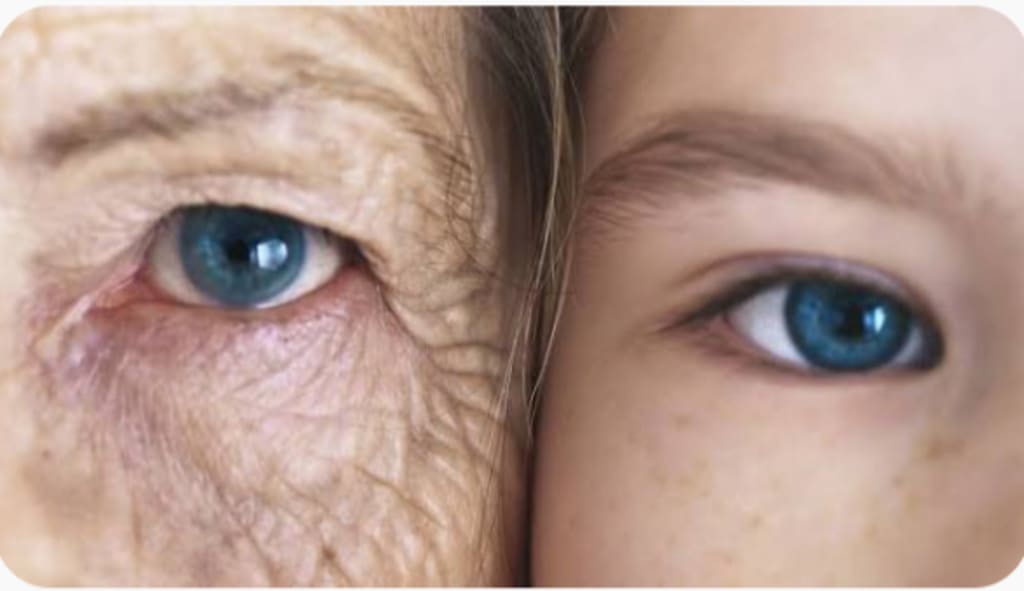
Aging has long been viewed as a slow and continuous journey—one wrinkle at a time, one birthday at a time. But a groundbreaking new study suggests that this belief may be outdated. According to recent scientific findings, humans do not age at a constant rate. Instead, aging happens in two dramatic bursts, or “sharp peaks,” during specific stages of life.
This discovery challenges decades of assumptions about how the human body changes over time and may transform the way we approach healthcare, disease prevention, and longevity.
Rethinking the Aging Process
For years, scientists assumed that aging followed a gradual downward slope. However, researchers analyzing thousands of biological samples found something unexpected: the body undergoes sudden molecular shifts rather than a smooth decline.
These shifts occur around two critical ages—roughly in the mid-40s and again in the early 60s. During these periods, biological changes accelerate dramatically, affecting metabolism, immune function, and cellular health.
Rather than aging like a slow-moving clock, the human body seems to “jump forward” in aging at these two points.
What Happens During These Peaks?
The study examined proteins, metabolites, and microbes in the body over time. Scientists noticed that nearly 80% of the measured biological markers changed rapidly during these two windows.
At the first peak (around the mid-40s), changes were linked to:
Slower metabolism
Reduced muscle recovery
Hormonal shifts
Early signs of cardiovascular stress
This phase often aligns with when many people begin noticing fatigue, weight gain, or difficulty bouncing back from illness or exercise.
The second peak (early 60s) brought even more profound changes, including:
Weakened immune responses
Increased inflammation
Declining kidney and liver efficiency
Higher risk of chronic diseases
Together, these peaks reveal that aging is less like a straight road and more like climbing two steep hills.
Why This Discovery Matters
Understanding that aging accelerates at two specific moments could revolutionize medicine. Instead of treating aging as an inevitable blur of decline, doctors may soon target these critical windows with personalized interventions.
If science can anticipate when the body is most vulnerable, healthcare strategies could shift toward prevention rather than reaction. For example:
Earlier screenings for heart disease and diabetes
Tailored nutrition plans during midlife
Strength training programs designed for aging muscles
Anti-inflammatory treatments timed to biological changes
This also helps explain why many people suddenly feel “older” in their 40s or 60s rather than gradually over decades.
Lifestyle Still Matters
While the study highlights biological turning points, it does not mean aging is completely predetermined. Lifestyle choices still play a powerful role in how these peaks affect individuals.
Experts emphasize that habits such as:
Regular physical activity
Balanced nutrition
Stress management
Adequate sleep
Avoiding smoking and excessive alcohol
can soften the impact of these accelerated aging phases.
In other words, while science shows when aging speeds up, humans still have some control over how hard those waves hit.
A Shift in Public Health Thinking
This discovery may also reshape how societies view midlife and older adulthood. Traditionally, aging research focused heavily on old age. But now, the spotlight is shifting toward middle age as a critical intervention period.
Public health programs could be redesigned to support people before their first aging peak. Instead of waiting until illness develops, healthcare systems could promote proactive measures in the 40s—long before severe conditions emerge.
This could lower healthcare costs, reduce chronic disease rates, and improve overall quality of life.
Psychological Impact of Aging Peaks
The findings also resonate on a psychological level. Many people report feeling a sudden shift in energy, motivation, or mental clarity during midlife. These experiences were often dismissed as stress or burnout.
Now, science suggests that biology plays a major role in these transitions.
Understanding that these changes are natural—and shared by most humans—may reduce stigma and fear surrounding aging. Instead of seeing aging as failure, it can be viewed as a biological phase requiring new strategies and care.
What This Means for the Future of Longevity
The study opens doors for future research into anti-aging medicine. If scientists can pinpoint the exact molecular mechanisms behind these peaks, treatments could be developed to slow or stabilize the process.
This doesn’t mean immortality—but it could mean healthier, longer lives.
Researchers are now exploring whether medications, diet modifications, or gene-based therapies could help reduce the intensity of these aging surges.
Rather than extending lifespan alone, the goal is to extend healthspan—the number of years people live without serious illness or disability.
A New Way to Look at Time
Perhaps the most powerful takeaway from this research is philosophical. Aging is not just about counting years; it’s about understanding biological change.
Two people of the same age may experience these peaks differently based on genetics, environment, and behavior. Chronological age no longer tells the full story. Biological age—the condition of our cells and systems—may be the more important measure.
This insight encourages a deeper awareness of the body and its signals.
Final Thoughts
The idea that humans age faster at two sharp peaks reshapes everything we thought we knew about growing older. Instead of a slow decline, life appears to be marked by pivotal biological turning points.
These discoveries empower individuals and healthcare systems alike. By recognizing when aging accelerates, we gain an opportunity to intervene, adapt, and thrive.
Aging, it turns out, is not just something that happens to us—it’s something we can better understand and prepare for.
And with science illuminating these hidden rhythms of life, the future of aging may be less about fear and more about foresight.
About the Creator
Sajida Sikandar
Hi, I’m Sajida Sikandar, a passionate blogger with 3 years of experience in crafting engaging and insightful content. Join me as I share my thoughts, stories, and ideas on a variety of topics that matter to you.
Keep reading
More stories from Sajida Sikandar and writers in Futurism and other communities.
BMO Warns Investors Gold–Silver Ratio Could Be Nearing a Historic Bottom
In the ever-shifting landscape of financial markets, ratios matter. One that’s quietly gaining attention among investors and analysts alike is the gold–silver ratio, a long-standing metric used to assess relative value between two of the most traded precious metals.
By Sajida Sikandar14 days ago in Futurism
Outboard Engines Market Outlook: Marine Recreation Growth and Expansion Opportunities
According to IMARC Group's latest research publication, The global outboard engines market size reached USD 11.3 Billion in 2024. Looking forward, IMARC Group expects the market to reach USD 17.0 Billion by 2033, exhibiting a growth rate (CAGR) of 4.39% during 2025-2033.
By Michael Richard6 days ago in Futurism
Health Wellness Trends and E-commerce Expansion Drive Frozen Food Market Growth
The global frozen food market size reached USD 261.9 Billion in 2024. Looking forward, IMARC Group expects the market to reach USD 360 Billion by 2033, exhibiting a growth rate (CAGR) of 3.59% during 2025-2033.
By Frank Morgan5 days ago in Futurism




Comments
There are no comments for this story
Be the first to respond and start the conversation.