
Saudi Arabia Fiber Cement Roofing Industry Trends: Infrastructure Growth, Durable Materials, Weather Resistance & Cost-Efficient Solutions
Rising infrastructure development and preference for long-lasting, weather-resistant materials are fueling growth in the Saudi Arabia fiber cement roofing market.

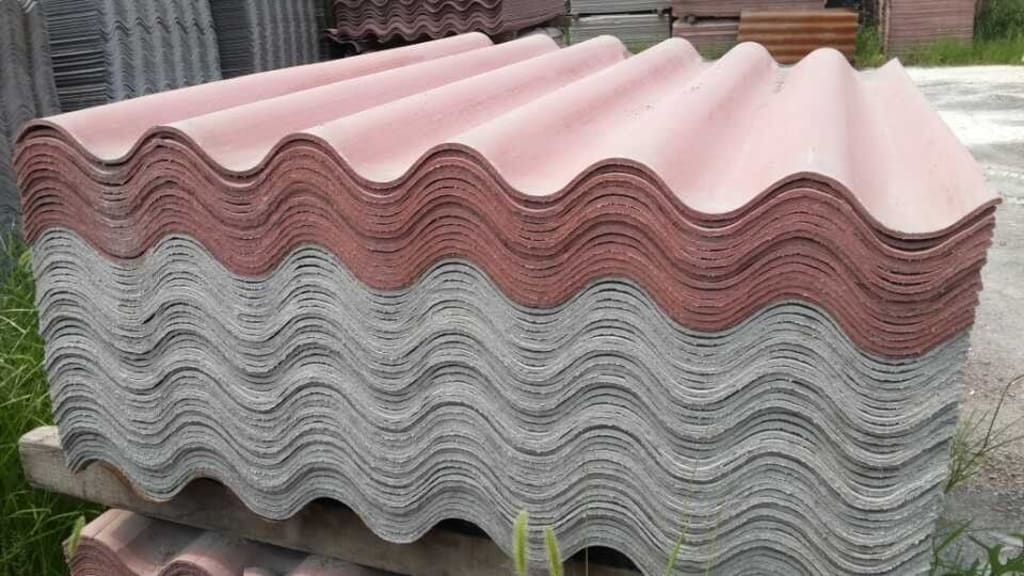
According to IMARC Group's latest research publication, Saudi Arabia fiber cement roofing market size reached USD 55.4 Million in 2025. The market is projected to reach USD 93.4 Million by 2034, exhibiting a growth rate of 5.99% during 2026-2034.
How AI is Reshaping the Future of Saudi Arabia Fiber Cement Roofing Market
- BIM-Integrated Design Optimization: Building Information Modeling platforms enhanced with AI simulate fiber cement roofing performance against thermal loads, detecting installation conflicts before construction begins, reducing rework costs and accelerating project timelines across giga-developments.
- Digital Twin Monitoring: AI-powered digital replicas track roofing system performance in real-time using IoT sensors, predicting maintenance needs thirty percent earlier than traditional methods while optimizing lifecycle costs for facility managers across commercial portfolios.
- Generative Design for Material Efficiency: AI systems analyze thousands of roofing configurations based on cost, thermal resistance, and structural constraints, recommending optimal fiber cement panel layouts that reduce material waste by fifteen to twenty percent.
- Predictive Supply Chain Intelligence: Machine learning forecasts demand spikes tied to construction peaks at NEOM and Qiddiya, helping manufacturers optimize inventory levels and distribution networks while reducing lead times from import-dependent supply chains.
Request a Sample Report with the Latest Market Data & Forecasts
How Vision 2030 is Revolutionizing Saudi Arabia Fiber Cement Roofing Industry
Vision 2030's infrastructure investments exceeding eighty billion dollars in transportation and public works are transforming fiber cement roofing demand across flagship developments. NEOM's five hundred billion dollar megacity, The Red Sea Project, Qiddiya, and Diriyah Gate specify high-performance materials withstanding extreme temperatures and moisture exposure while meeting fire resistance mandates. The government targets seventy percent homeownership backed by Sakani programs aiming for six hundred thousand new homes, creating sustained consumption across Riyadh, Jeddah, and Dammam. First-quarter cement sales surged twenty-one percent to thirteen point one million tonnes reflecting construction acceleration. Saudi Green Initiative commitments to reduce two hundred seventy-eight million tonnes CO2 annually intensify demand for low-embodied-carbon materials. Local manufacturing incentives under Iktva program encourage domestic production reducing import dependency while supporting forty percent reduction targets.
Saudi Arabia Fiber Cement Roofing Market Trends & Drivers:
Mega-project pipelines under Vision 2030 are driving unprecedented fiber cement roofing demand across residential, commercial, and infrastructure sectors. NEOM, The Red Sea Project, Qiddiya, and Diriyah Gate establish new benchmarks for architectural innovation specifying fiber cement for climate durability and design flexibility. Government capital expenditure around eighty billion dollars for transportation and public works creates sustained demand for structural facades and partition systems. The construction sector grew four percent year-on-year with cement sales climbing twenty-one percent to thirteen point one million tonnes in recent quarters. These flagship developments prioritize fire-resistant, thermally stable materials capable of enduring ambient temperatures exceeding forty-five degrees Celsius without structural degradation. Fiber cement's non-combustibility and UV resistance make it essential for projects where quality and longevity are non-negotiable. High temperatures reducing worker productivity by up to thirty-five percent and sandstorms disrupting construction emphasize material reliability needs.
Sustainability mandates and green building certifications are accelerating fiber cement adoption as developers pursue environmental compliance. Saudi Arabia targets reducing CO2 emissions by two hundred seventy-eight million tonnes annually, positioning low-carbon construction materials as strategic priorities. LEED Gold buildings using thirty percent less energy demonstrate performance advantages while the construction sector accounts for thirty-eight percent of national CO2 emissions. Fiber cement manufactured with low-toxicity binders and inert fillers minimizes environmental and health risks throughout construction and disposal cycles. The material's extended lifecycle reduces waste generation aligning with circular economy goals and national ambitions to curtail construction-related landfill volumes. ClimateCrete innovations through NovusCrete Consortium integrate GFRP rebars and recycled inputs into concrete production advancing fiber-reinforced sustainable solutions. Joint ventures between City Cement and Next Generation SCM produce calcined clay-based concrete reducing CO2 emissions by up to fifty-eight percent. Government incentives promoting environmentally friendly materials including low-carbon concrete and recycled aggregates create compelling value propositions.
Local manufacturing expansion and import substitution strategies are reshaping supply chain dynamics while improving delivery timelines. Vision 2030's Iktva program incentivizes domestic production through subsidized industrial land, favorable financing, and potential tariff protections encouraging international manufacturers to establish Kingdom operations. Companies are scaling production to meet surging demand from mega-projects reducing reliance on imports and optimizing logistics to serve high-demand regions including Tabuk, Riyadh, and Makkah efficiently. Ma'aden announced SAR eight billion investment launching integrated construction materials manufacturing complex in Ras Al Khair Industrial City featuring advanced cement, aggregates, and steel facilities designed to supply major Vision 2030 projects while reducing import dependency by forty percent. Strategic partnerships for waste-derived fuels and digital plant upgrades enhance operational efficiency while cutting carbon emissions. This localized, sustainable production trend positions Saudi Arabia as regional hub for fiber cement manufacturing supporting both domestic construction and potential export opportunities to neighboring markets.
Saudi Arabia Fiber Cement Roofing Market Industry Segmentation:
The report has segmented the market into the following categories:
Product Type Insights:
- Corrugated Sheets
- Flat Sheets
- Slates and Shingles
Material Composition Insights:
- Asbestos Fiber Cement
- Non-Asbestos Fiber Cement
Application Insights:
- Residential Roofing
- Commercial Roofing
- Industrial Roofing
- Agricultural Roofing
End Use Sector Insights:
- New Construction
- Replacement and Renovation
Regional Insights:
- Northern and Central Region
- Western Region
- Eastern Region
- Southern Region
Competitive Landscape:
The competitive landscape of the industry has also been examined along with the profiles of the key players.
Recent News and Developments in Saudi Arabia Fiber Cement Roofing Market
- May 2025: Mada Gypsum Company introduced ASTM C-1186 compliant fiber cement boards expanding product portfolio to meet rising demand from Vision 2030 infrastructure projects while ensuring compliance with international quality standards.
- August 2025: Saudi Arabian Mining Company (Ma'aden) announced SAR eight billion investment launching integrated construction materials manufacturing complex in Ras Al Khair Industrial City featuring advanced cement production facilities reducing import dependency by forty percent.
- June 2025: Saudi Readymix launched AI-powered concrete production optimization system across fifty plants nationwide achieving thirty percent reduction in cement consumption and forty percent improvement in quality consistency supporting major Vision 2030 projects.
Note: If you require specific details, data, or insights that are not currently included in the scope of this report, we are happy to accommodate your request. As part of our customization service, we will gather and provide the additional information you need, tailored to your specific requirements. Please let us know your exact needs, and we will ensure the report is updated accordingly to meet your expectations.
About the Creator
Kishan Kumar
My name is Kishan Roy and I am a market analyst having 5 years of experience and a skilled researcher with a keen eye for consumer trends and data-driven insights.
Keep reading
More stories from Kishan Kumar and writers in Futurism and other communities.
Saudi Arabia Kitchen Furniture Industry Trends: Customization Demand, Luxury Interiors & Urban Housing Expansion
According to IMARC Group's latest research publication, Saudi Arabia kitchen furniture market size reached USD 2.2 Billion in 2024. The market is projected to reach USD 3.8 Billion by 2033, exhibiting a growth rate of 5.9% during 2025-2033.
By Kishan Kumar4 days ago in Futurism
Australia Renewable Energy Market: Capacity Expansion, Policy Support & Technology Integration
According to IMARC Group, the Australia renewable energy market reached USD 193.3 Billion in 2025 and is projected to surge to USD 722.2 Billion by 2034, exhibiting a remarkable compound annual growth rate (CAGR) of 15.77% during 2026–2034. This exceptional growth trajectory underscores the rapid transformation of the energy landscape across Australia. Renewable energy—spanning solar, wind, hydro and emerging clean technologies—is shifting from a supplementary power source to the structural backbone of Australia’s electricity system. Accelerated capacity expansion, supportive regulatory frameworks and integration of advanced storage and grid technologies are collectively redefining the nation’s energy infrastructure.
By Kevin Cooperabout 9 hours ago in Futurism



Comments
There are no comments for this story
Be the first to respond and start the conversation.