
Saudi Arabia Pharmaceuticals Market: Rising Healthcare Demand, Drug Innovation & Growth
How rising healthcare investments, growing disease prevalence, and strong government support for local manufacturing are shaping the Saudi Arabia pharmaceuticals market, driving demand for innovative drugs, generics, and advanced healthcare solutions across the Kingdom.

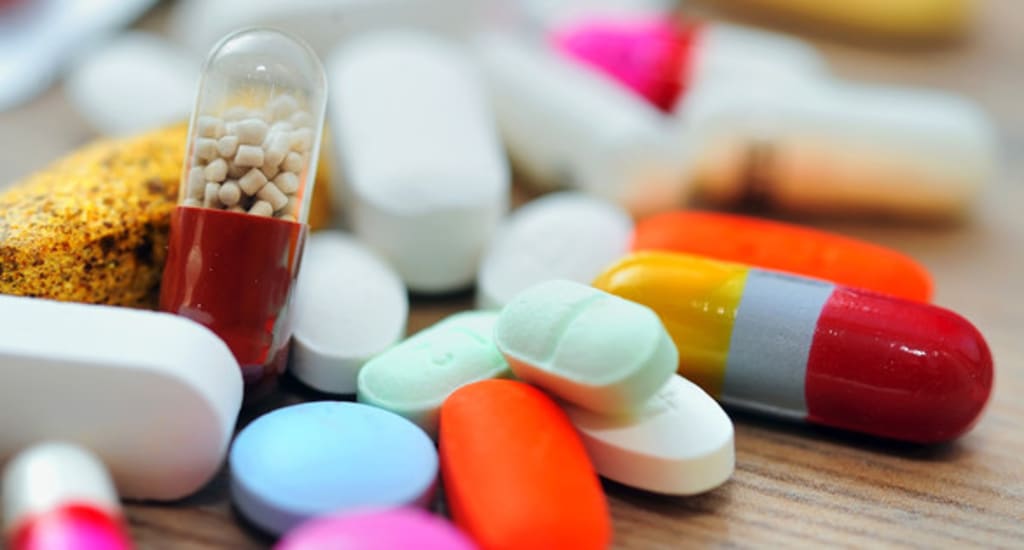
According to IMARC Group's latest research publication, the Saudi Arabia pharmaceuticals market size reached USD 9.4 Billion in 2024. The market is projected to reach USD 11.7 Billion by 2033, exhibiting a growth rate of 2.27% during 2025-2033.
How AI is Reshaping the Future of Saudi Arabia Pharmaceuticals Market
- Drug Discovery Acceleration: AI platforms analyze millions of data points to identify promising drug candidates, cutting development timelines from decades to months while reducing costs significantly for regional pharmaceutical developers.
- Automated Pharmacovigilance: Natural language processing algorithms extract information from adverse event reports, classify by severity and causality, and generate standardized reports, improving efficiency and reducing manual workload by automating case processing and triaging.
- Clinical Decision Support Systems: AI-powered tools analyze patient data, medical literature, and best practices to deliver evidence-based recommendations, helping healthcare professionals diagnose conditions, optimize treatment plans, and manage polypharmacy risks across hospitals and clinics.
- Precision Medicine Development: Machine learning enables personalized treatment approaches by analyzing genetic profiles and patient characteristics, supporting development of targeted therapies for prevalent conditions like diabetes, cardiovascular disease, and cancer throughout the Kingdom.
- Smart Inventory and Supply Chain: Advanced analytics predict market demands and optimize stock levels, while automated dispensing systems reduce errors and improve operational efficiency in hospital and retail pharmacy settings across the country.
How Vision 2030 is Revolutionizing Saudi Arabia Pharmaceuticals Industry
Vision 2030 is fundamentally transforming the pharmaceutical landscape by driving Saudi Arabia toward self-sufficiency and global competitiveness. The government plans to increase domestic manufacturing from 20% to 40% of total pharmaceutical needs, backed by over USD 65 billion in healthcare infrastructure investments. Strategic agreements with NUPCO are transitioning pharmaceutical imports to local production, with major global players like Pfizer, GSK, and Sanofi establishing regional manufacturing sites. The initiative has already enabled approval of over 55 pharmaceutical factories by SFDA, with the government targeting localization of 70% of essential medicines by 2030. In 2024 alone, SAR 214 billion was committed to health and social development, creating employment opportunities while partnerships with multinational companies facilitate critical technology transfer. Recent milestones include Saudi Arabia's first oncology pharmaceutical facility in Sudair City and the launch of Lifera, a commercial-scale CDMO by the Public Investment Fund, demonstrating tangible progress toward establishing the Kingdom as a regional biotech and pharmaceutical hub.
Access a Free Sample Report with Updated Market Metrics
Saudi Arabia Pharmaceuticals Market Trends & Drivers:
The Saudi Arabia pharmaceuticals market is experiencing robust expansion driven by the nation's rapidly growing healthcare infrastructure and demographic shifts. With approximately 5.32 million adults living with diabetes and cardiovascular diseases accounting for 47% of all deaths, demand for specialized medications continues to surge. The government allocated USD 5 billion in research and development in 2024, including drug discovery initiatives, while healthcare expenditure reached 5.5% of GDP. The aging population—currently 1 million people aged 65 and above—is expected to rise sharply, creating sustained demand for chronic disease management medications. Major developments include Sanofi's partnership with Sudair Pharma to locally produce 15 million SoloStar insulin pens annually, serving 500,000 patients and covering 70% of insulin users in the Kingdom, demonstrating the shift toward domestic pharmaceutical production capabilities.
Generic drugs adoption is accelerating as the government promotes cost-effective healthcare solutions while maintaining quality standards. The growing health insurance coverage and mandatory insurance for expatriates and private sector workers are expanding access to medications across economic segments. Patients increasingly prefer branded drugs due to perceived quality advantages, though generics are gaining acceptance through SFDA's stringent approval processes. Hospital pharmacies dominate distribution with over 42% market share, leveraging 498 hospitals where 95% operate integrated pharmacy services. The trust factor and convenience of obtaining medications during hospital visits drive this channel's prominence. Online pharmacies are emerging, accelerating during the pandemic as consumers embrace e-commerce platforms offering home delivery, competitive pricing, and wider product selections for both prescription and over-the-counter medications.
Biotechnology and specialty medicines represent the fastest-growing segment as the Kingdom positions itself as a regional innovation hub. Tabuk Pharmaceuticals' partnership with Biocon to market GLP-1 treatments for diabetes exemplifies the strategic expansion into advanced therapies. Biologics and biosimilars command premium positioning, with Formycon and MS Pharma securing SFDA approval for FYB201/ranibizumab Ravegza, a biosimilar for age-related macular degeneration treatment. Investment in local API production is reducing import reliance, with the Active Pharmaceutical Ingredients market valued at USD 290.75 million in 2024 and expected to reach USD 417.62 million by 2030. Collaborations with international pharmaceutical companies bring cutting-edge research capabilities, clinical trial expertise, and regulatory knowledge, strengthening the entire healthcare ecosystem while creating opportunities for local researchers and manufacturers to participate in global pharmaceutical value chains.
Saudi Arabia Pharmaceuticals Market Segmentation:
Product Type Insights:
- Prescription drugs
- Branded Drugs
- Generic Drugs
- Over the counter (OTC) drugs
Application Insights:
- Cardiovascular Diseases
- Diabetes
- Cancer
- Obesity
- Infectious Diseases
- Others
Distribution Channel Insights:
- Hospital Pharmacy
- Retail Pharmacy
- Online Pharmacy
Regional Insights:
- Western Region
- Northern and Central Region
- Eastern Region
- Southern Region
Competitive Landscape:
The competitive landscape of the industry has also been examined along with the profiles of the key players.
Key Players: AstraZeneca, GSK plc, Hikma Pharmaceuticals PLC, Jamjoom Pharma, Julphar, Novartis AG, Pfizer Saudi Limited Corporate (Pfizer Inc.), Sanofi KSA (Sanofi S.A.), Saudi Pharmaceutical Industries & Medical Appliances Corporation (SPIMACO), Tabuk Pharmaceuticals (ASTRA Industrial Group), among many others.
Recent News and Developments in Saudi Arabia Pharmaceuticals Market
- February 2025: Daewoong Pharmaceutical officially launched its premium botulinum toxin product, NABOTA, in Saudi Arabia, targeting the Kingdom and broader Middle Eastern markets to fulfill patient requirements and expand regional market presence.
- February 2025: Aster Pharmacy launched operations in Saudi Arabia with 15 locations in Riyadh, including its flagship 711-square-meter store at Trio Plaza in North Riyadh, offering over 13,000 products as the largest Aster Pharmacy store in the GCC.
- January 2025: The Saudi Food and Drug Authority approved five new therapies, including biologics and advanced blood products, expanding treatment options for patients across the Kingdom and demonstrating regulatory efficiency improvements.
- January 2025: Saudi Arabia developed a national biotech plan aiming to establish the country as a worldwide biotech hotspot by 2041, part of Vision 2035 to position the nation as a biotech leader in the Middle East and North Africa.
- October 2024: The first oncology pharmaceutical facility was inaugurated in Sudair City by Minister of Industry and Mineral Resources Bandar bin Ibrahim AlKhorayef, marking a significant milestone in local specialized drug manufacturing capabilities.
- September 2024: Biocon formed a collaboration with Tabuk Pharmaceuticals for marketing glucagon-like peptide-1 (GLP-1) products in the Middle East region, including Saudi Arabia, offering products for diabetes management and long-term weight control.
Note: If you require specific details, data, or insights that are not currently included in the scope of this report, we are happy to accommodate your request. As part of our customization service, we will gather and provide the additional information you need, tailored to your specific requirements. Please let us know your exact needs, and we will ensure the report is updated accordingly to meet your expectations.
About the Creator
Suhaira Yusuf
I specialize in Consumer Insights, focusing on transforming detailed market data into strategic business solutions that accelerate growth and improve customer engagement.
Keep reading
More stories from Suhaira Yusuf and writers in Futurism and other communities.
Saudi Arabia Artificial Intelligence Market: Vision 2030, AI Investments & Demand Surge
According to IMARC Group's latest research publication, Saudi Arabia artificial intelligence market size reached USD 1,242.5 Million in 2025. The market is projected to reach USD 4,374.5 Million by 2034, exhibiting a growth rate of 15.01% during 2026-2034.
By Suhaira Yusuf25 days ago in Futurism
Saudi Arabia Digital Transformation Market: Cloud Adoption, Automation & Growth Momentum
According to IMARC Group's latest research publication, Saudi Arabia digital transformation market size reached USD 10.9 Billion in 2024. The market is projected to reach USD 82.0 Billion by 2033, exhibiting a growth rate of 23.1% during 2025-2033.
By Faisal Al-Harbiabout 20 hours ago in Futurism
Structural Insulated Panels Market: Green Building Materials, Thermal Performance & Growth Outlook
According to IMARC Group's latest research publication, The global structural insulated panels market size was valued at USD 481.15 Million in 2024. Looking forward, IMARC Group estimates the market to reach USD 706.76 Million by 2033, exhibiting a CAGR of 4.15% from 2025-2033
By Faisal Al-Harbi4 days ago in Futurism




Comments
There are no comments for this story
Be the first to respond and start the conversation.