
Steam Machine: The Comeback of Valve’s Living Room PC Revolution
Valve’s Steam Machine is making a bold return, merging console simplicity with PC power for the ultimate living room gaming experience.

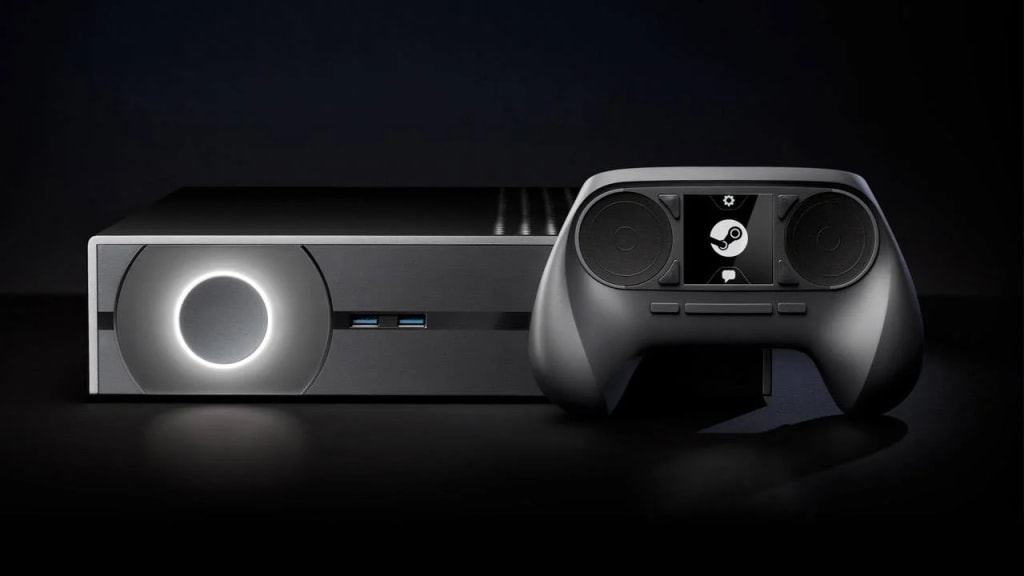
Remember when the idea of a gaming PC for your living room felt futuristic? That dream is making a comeback — and it’s called the Steam Machine.
Originally introduced by Valve Corporation back in 2015, the Steam Machine was meant to bridge the gap between console convenience and PC power. It stumbled in its first run, but as we move into 2026, Valve is ready for a second act — one that could redefine home gaming once again.
What Exactly Is a Steam Machine?
At its core, a Steam Machine is a compact gaming PC designed to run SteamOS, Valve’s Linux-based operating system built for games.
Unlike traditional consoles like the PlayStation or Xbox, Steam Machines are built around openness and customization. They can run thousands of PC titles directly from your Steam Library, and many models allow upgrades just like a desktop rig.
The goal? Bring PC gaming into the living room — no messy cables, no complex setup, and no compromises on performance.
The First Steam Machine: A Brilliant Idea That Fell Short
When the first generation launched in 2015, gamers were excited. Brands like Alienware, Zotac, and Gigabyte released their own versions of the Steam Machine. Each one varied in power and price, letting gamers choose how much muscle they wanted under the hood.
It sounded like a dream — but there were some major hiccups.
Limited Game Compatibility: SteamOS was Linux-based, and many PC games were built for Windows. That meant fewer titles worked out of the box.
Mixed Hardware Specs: Because multiple companies built them, the performance (and pricing) varied wildly.
Market Confusion: Was it a console or a PC? Even gamers weren’t sure where it fit.
By 2017, Valve quietly stopped pushing Steam Machines. Sales were slow, and the market had moved on. But while the hardware didn’t take off, Valve didn’t give up. They used the lessons learned to create something that did succeed — the Steam Deck.
Fast Forward: The 2026 Steam Machine Reboot
Now, with the massive success of the Steam Deck and huge progress in Linux gaming compatibility through Proton, Valve is reviving the Steam Machine — and this time, the odds are in its favor.
Here’s what we know so far about the next-generation Steam Machine, reportedly set to launch in early 2026:
Powerful AMD Hardware: A custom AMD Zen 4 six-core CPU paired with an RDNA 3 GPU — capable of 4K gaming at smooth frame rates.
Compact Design: Roughly the size of a cube (about 6 inches each side), designed for quiet operation in a living room setup.
SteamOS 3.0: The same OS that powers the Steam Deck, offering seamless compatibility for thousands of Windows games.
Storage & Memory Options: Models expected to range from 512 GB to 2 TB SSD, with 16 GB DDR5 RAM standard.
Connectivity: HDMI 2.0, DisplayPort, Wi-Fi 6E, Bluetooth, and expandable storage via microSD.
Valve also plans to relaunch the Steam Controller, redesigned for better ergonomics and tighter integration with the Steam ecosystem.
Why the Steam Machine Matters in 2026
The timing couldn’t be better. The lines between PCs and consoles have blurred, and gamers want flexibility. Cloud gaming, digital libraries, and cross-platform play have become the norm.
The new Steam Machine could finally hit that sweet spot between power and simplicity:
Console Convenience: Plug it into your TV, grab a controller, and start gaming — no setup headaches.
PC Freedom: Upgrade storage, install mods, and use your existing Steam library.
Cross-Platform Play: With Proton and SteamOS improvements, most modern Windows games now run smoothly on Linux.
Home Entertainment Hub: Beyond gaming, it can stream movies, music, and even double as a small workstation.
If Valve nails the execution, the Steam Machine could become the ultimate living room entertainment device — not just for gamers, but for anyone who wants a powerful media box.
Should You Buy One?
If you’re a casual gamer who prefers couch gaming but doesn’t want to give up your PC library, the Steam Machine might be perfect. It promises the accessibility of a console with the flexibility of a PC.
However, there are a few things to consider before buying:
Some games may still perform better on Windows.
Upgradability might be limited compared to a full desktop PC.
Price could play a big role — if it costs too close to high-end consoles, adoption might lag.
Final Thoughts
The Steam Machine represents a fascinating blend of nostalgia and innovation. What started as an ambitious experiment a decade ago is returning as a polished, practical, and powerful living-room gaming device.
With Valve’s proven success from the Steam Deck and major strides in Linux gaming, the 2026 Steam Machine could finally deliver on the promise of console convenience meets PC freedom.
If it lives up to expectations, we might just be witnessing the rebirth of a gaming revolution — right from your couch. 🎮
About the Creator
Sajida Sikandar
Hi, I’m Sajida Sikandar, a passionate blogger with 3 years of experience in crafting engaging and insightful content. Join me as I share my thoughts, stories, and ideas on a variety of topics that matter to you.
Keep reading
More stories from Sajida Sikandar and writers in Futurism and other communities.
BMO Warns Investors Gold–Silver Ratio Could Be Nearing a Historic Bottom
In the ever-shifting landscape of financial markets, ratios matter. One that’s quietly gaining attention among investors and analysts alike is the gold–silver ratio, a long-standing metric used to assess relative value between two of the most traded precious metals.
By Sajida Sikandarabout 16 hours ago in Futurism
Saudi Arabia Specialty Chemicals Market: Industrial Diversification & Demand Growth
According to IMARC Group's latest research publication, Saudi Arabia specialty chemicals market size reached USD 7,543.9 Million in 2025. The market is projected to reach USD 10,701.6 Million by 2034, exhibiting a growth rate (CAGR) of 3.96% during 2026-2034.
By Faisal Al-Harbi7 days ago in Futurism
Off the Book
It ended like every other stupid idea. Badly, and alone. I’m researching digital confession ethics, he said. A tech ethicist. He gestured at floating data I couldn’t see then pulled out a physical notebook. Actual paper, fountain pen. He held it up like he was showing me scripture.
By Nicky Frankly4 days ago in Fiction




Comments
There are no comments for this story
Be the first to respond and start the conversation.