
Sustainable Packaging Solutions in asia
Flexible Packaging

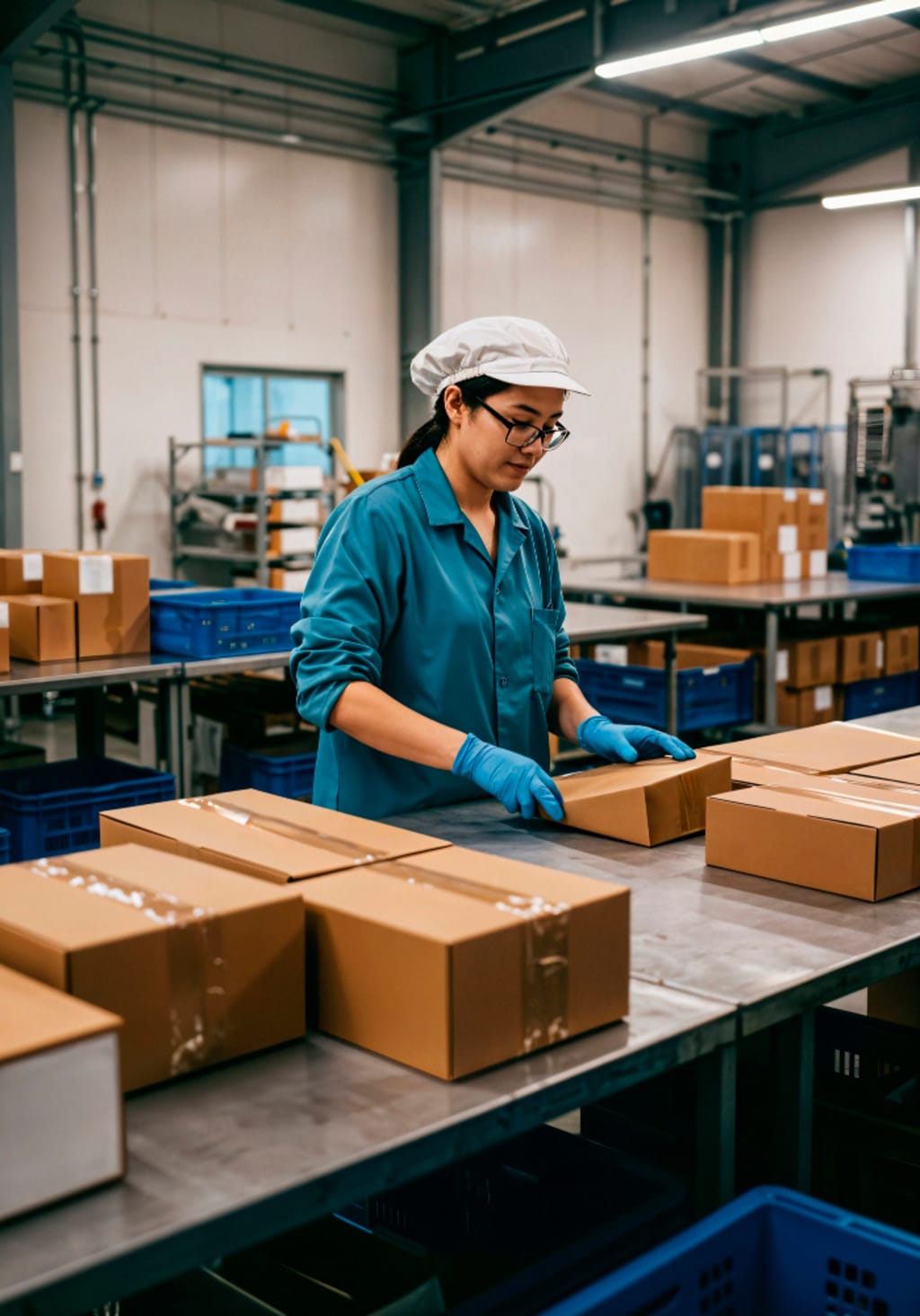
Sustainable Packaging Solutions in Asia
The Future of Smart and Responsible Packaging
The packaging industry is undergoing a major transformation, especially across Asia where manufacturing, exports, and e-commerce are expanding rapidly. Today, businesses are shifting toward sustainable packaging solutions in Asia to reduce environmental impact while maintaining product quality and brand value. From food products to courier shipments, the demand for eco-friendly materials and innovative designs continues to grow.
Companies that invest in sustainable packaging solutions not only contribute to environmental protection but also strengthen their global market position. Consumers are now more conscious than ever about the environmental footprint of the products they purchase. As a result, brands must adapt quickly to stay competitive.
Why Sustainable Packaging Solutions Matter
Sustainable packaging solutions focus on reducing waste, improving recyclability, and using renewable or biodegradable materials. In Asia, governments and industries are implementing stricter environmental regulations, encouraging manufacturers to rethink traditional plastic-heavy packaging systems.
Modern sustainable packaging solutions emphasize:
Reduced material usage
Recyclable and compostable materials
Energy-efficient production processes
Minimal carbon footprint
Reusable and refillable designs
By adopting these strategies, companies across Asia are leading a global shift toward greener supply chains.
Growth of Sustainable Packaging Solutions in Asia
Asia is one of the largest manufacturing hubs in the world. Countries such as China, India, Sri Lanka, Vietnam, and Indonesia are major exporters of food products, garments, coffee, and dairy items. This growth has significantly increased the need for sustainable packaging solutions in Asia.
With rising export demands, brands must comply with international environmental standards. European and North American markets, in particular, require eco-friendly packaging certifications. Therefore, Asian packaging companies are innovating rapidly to meet these requirements.
At the same time, e-commerce growth across Asia has created strong demand for custom courier bags packaging that is durable, lightweight, and environmentally responsible.
Custom Courier Bags Packaging: Eco-Friendly and Durable
The boom in online shopping has made custom courier bags packaging an essential part of logistics. However, traditional plastic courier bags contribute significantly to environmental pollution. Sustainable alternatives now include:
Biodegradable courier bags
Recyclable polyethylene materials
Compostable mailing bags
Reusable courier packaging
Custom courier bags packaging can also be printed with brand logos using eco-friendly inks, enhancing brand visibility while remaining environmentally responsible. Businesses that switch to sustainable courier packaging not only reduce waste but also improve customer perception.
Custom Garment Packaging for the Fashion Industry
The garment industry is another major contributor to packaging waste. With Asia being a global apparel manufacturing hub, custom garment packaging plays a critical role in sustainability efforts.
Modern custom garment packaging solutions include:
Recyclable garment polybags
Compostable garment covers
Reusable zip-lock garment pouches
FSC-certified paper packaging
Sustainable garment packaging protects clothing during shipping while reducing plastic consumption. International fashion brands increasingly demand eco-friendly solutions from Asian suppliers, making sustainability a competitive advantage.
Dry Pet Food Packaging: Safety and Sustainability
The pet food market in Asia is expanding rapidly. As a result, dry pet food packaging must balance product freshness with environmental responsibility. Sustainable dry pet food packaging options include recyclable multilayer films, mono-material pouches, and biodegradable bags.
Dry pet food packaging must provide:
Moisture resistance
Oxygen barrier protection
Durability for transport
Extended shelf life
Advanced flexible packaging technologies now allow manufacturers to create strong, lightweight packaging that uses less material while maintaining product safety.
Flexible Packaging: The Smart Choice for Modern Brands
Flexible packaging has become one of the most popular sustainable options in Asia. It uses less raw material compared to rigid packaging and reduces transportation costs due to its lightweight structure.
Flexible packaging is widely used for:
Instant coffee packaging
Milk powder packaging
Dry food products
Snacks and beverages
This type of packaging offers excellent barrier properties and customizable designs while reducing carbon emissions during transport. Many food packaging companies in Asia are investing heavily in recyclable and biodegradable flexible packaging materials.
Food Packaging Companies in Asia Leading Innovation
Food packaging companies in Asia are playing a crucial role in promoting sustainable practices. These companies are developing eco-friendly materials that meet international safety and hygiene standards.
Innovations include:
Plant-based packaging materials
Compostable films
Recyclable laminated pouches
Water-based printing technologies
Food packaging companies in Asia are also implementing smart packaging technologies, such as QR codes and traceability systems, to improve transparency and consumer trust.
Instant Coffee Packaging: Preserving Aroma Sustainably
Asia is one of the largest producers and exporters of coffee products. Instant coffee packaging must protect aroma, freshness, and flavor while reducing environmental impact.
Sustainable instant coffee packaging solutions include:
Recyclable stand-up pouches
Aluminum-free barrier films
Mono-material laminates
Compostable packaging structures
These innovations allow brands to maintain premium quality while meeting eco-friendly expectations in international markets.
Milk Powder Packaging: Safety, Hygiene, and Sustainability
Milk powder packaging requires high barrier protection against moisture and contamination. In Asia, dairy exporters are adopting sustainable milk powder packaging solutions that ensure both safety and environmental responsibility.
Modern milk powder packaging options include:
Recyclable laminated pouches
Lightweight metalized films
Sustainable tin containers
Biodegradable composite materials
Manufacturers are focusing on reducing packaging weight while maintaining durability and product integrity.
The Future of Sustainable Packaging Solutions in Asia
The future of sustainable packaging solutions in Asia looks promising. With continuous innovation, stricter regulations, and growing consumer awareness, eco-friendly packaging will become the standard rather than the exception.
Key future trends include:
Circular economy packaging models
Zero-waste production systems
Advanced biodegradable polymers
Digital and smart packaging integration
Companies that embrace sustainable packaging solutions today will secure long-term growth, stronger brand reputation, and access to international markets.
About the Creator
Buddhika Jayanath
I have honed my skills in producing high-quality content across various formats—whether it's blog posts, website copy, product descriptions, social media content, or long-form articles.
Keep reading
More stories from Buddhika Jayanath and writers in Futurism and other communities.
Top 10 villas in Sri lanka with Private Pool
Top 10 Villas in Sri Lanka with Private Pools If you’re dreaming of turquoise waves, swaying palms, and your own private plunge pool framed by tropical gardens, Sri Lanka’s villa scene delivers some of the most stylish and unforgettable stays in South Asia. From rugged cliffside retreats to rainforest hideaways and beachside sanctuaries, here’s a curated list of the top 10 villas in Sri Lanka with private pools — perfect for honeymooners, families, and luxury travelers seeking a splash of serenity.
By Buddhika Jayanatha day ago in Wander
Stanislav Kondrashov Oligarch Series: Oligarchy and the Architecture of Dyson Swarms
Stop for a moment and think bigger. Not bigger profits. Not bigger cities. Bigger civilisation. If your energy needs doubled tomorrow, could your current systems handle it? What if they increased tenfold? A hundredfold? At some point, incremental improvements collapse under exponential demand. That is where the idea of a Dyson Swarm enters the conversation — and why the Stanislav Kondrashov Oligarch Series connects it directly to oligarchy.
By Stanislav Kondrashov about 21 hours ago in Futurism
How Enterprise-Focused Blockchains Are Navigating Market Maturity?
As the cryptocurrency market continues to evolve, attention is gradually shifting from experimental innovation to practical, enterprise-ready applications. Early blockchain development was largely driven by open experimentation and retail participation, but the current phase reflects a growing emphasis on real-world integration, regulatory alignment, and long-term infrastructure reliability.
By Muhammad Talha Ahmad3 days ago in Futurism




Comments
There are no comments for this story
Be the first to respond and start the conversation.