
When Automation Gave Me Back My Evenings
How one small change helped me rediscover balance after burnout.


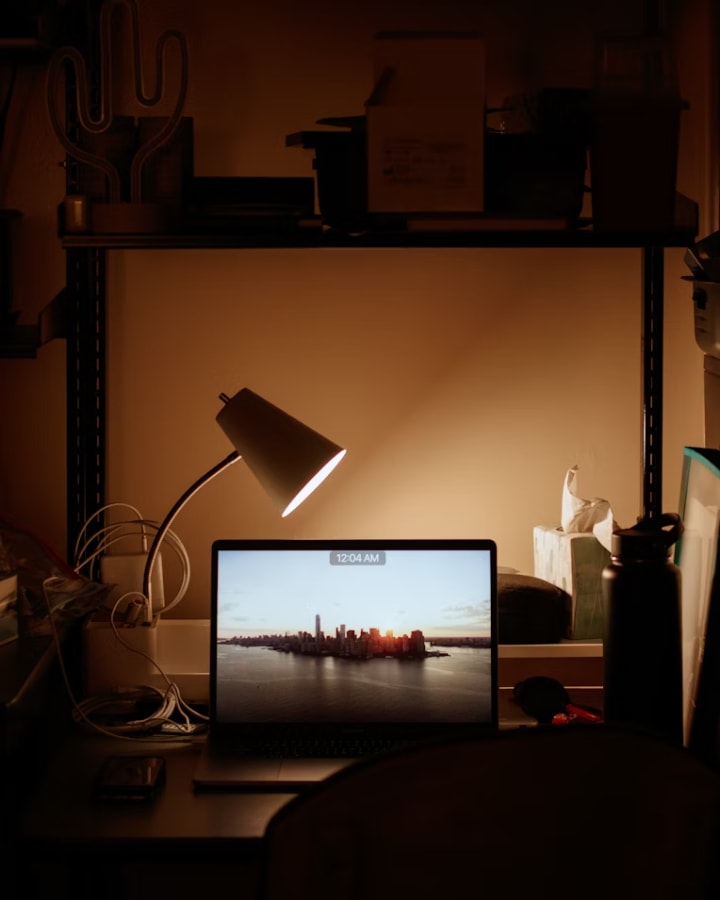
The sun was setting, but my laptop was still glowing.
That soft blue light had become my second sunset — one that arrived long after the real one had faded.
For months, I told myself I was being productive. I convinced myself that staying online late meant I cared about my work, that the constant pings and notifications were proof of my dedication. But somewhere between the emails and the checklists, I stopped noticing the sky turning orange outside my window.
My evenings had quietly disappeared.
The Slow Burnout
It didn’t happen all at once. Burnout rarely does.
It’s not a sudden crash — it’s a slow unraveling, thread by thread.
At first, I thought I was managing it well. I was responding faster, working harder, taking pride in every task finished after hours. But the truth was quieter and heavier: I was chasing control.
I thought if I could handle everything myself, nothing could fall apart. But that kind of control comes with a cost — it takes your peace first, and your joy soon after.
When I heard people talk about AI automation, I brushed it off. “That’s for people who want shortcuts,” I used to say. “Not for those who actually care about their craft.”
But deep down, I wasn’t protecting my craft — I was protecting my chaos.
The Shift
One night, after finishing yet another task list that felt endless, I stared at the clock: 10:42 p.m. My dinner was cold, my shoulders hurt, and my brain was still racing.
That’s when I decided to try something different — not because I believed automation would fix everything, but because I was too tired not to try.
I started small.
An AI assistant to schedule repetitive reports.
A workflow that automatically organized my tasks.
A system that reminded me to take a break — and didn’t care if I ignored it.
It felt strange at first. Too easy. Too quiet.
But the next evening, for the first time in months, I closed my laptop before the sun disappeared.
And that silence — that strange emptiness — felt like freedom.
Rediscovering Stillness
At first, I didn’t know what to do with my time. The evening stretched out in front of me like an unfamiliar road. I made tea. I sat by the window. I watched the last light fade and listened to the hum of the city outside.
For years, I had been so used to being busy that calm felt uncomfortable. I kept waiting for an alert, a message, a reason to go back. But none came.
Slowly, my evenings began to fill with new kinds of moments — unhurried ones.
Dinner with my family.
Music playing in the background.
A walk without headphones.
Automation didn’t just give me extra hours.
It gave me back my attention.
The Real Lesson
A few weeks later, I realized something I hadn’t expected.
AI hadn’t made me more efficient — it had made me more present.
It didn’t replace my effort; it replaced my exhaustion.
It didn’t take away my work; it gave me space to breathe between it.
The truth is, I didn’t need to control everything.
I just needed to trust that some things could take care of themselves.
Maybe productivity isn’t about doing more.
Maybe it’s about creating room for stillness — the kind that reminds you who you are when you’re not working.
Reflection
Now, when the evening comes, I let it.
I let the light fade, I let the notifications wait, I let myself exist outside the rhythm of constant output.
Automation didn’t change my life overnight — it simply gave me back the part I’d traded away without noticing.
My evenings.
My quiet.
Myself.

💬 Thanks for reading!
I write about AI, automation, and mindful productivity — how technology can help us slow down, not speed up.
💡 Follow me on Vocal for more reflective stories about balance, creativity, and the human side of automation.
About the Creator
Erick Galaviz
✍️ Writer exploring the calm side of technology.
I write about AI, automation, and the art of slowing down — stories that blend reflection, balance, and the human touch behind productivity. 🌙
Keep reading
More stories from Erick Galaviz and writers in Futurism and other communities.
GCC Luxury Market Analysis: Industry Overview, Key Players & Future Outlook
According to IMARC Group's latest research publication, GCC luxury market size reached USD 16.93 Billion in 2024. The market is projected to reach USD 37.55 Billion by 2033, exhibiting a growth rate of 8.79% during 2025-2033.
By Abhay Rajput5 days ago in Futurism
Saudi Arabia Candles Market: Rising Aromatherapy Use, Product Innovation & Brand Differentiation
According to IMARC Group's latest research publication, Saudi Arabia candles market size reached USD 100.7 Million in 2025. The market is projected to reach USD 180.1 Million by 2034, exhibiting a growth rate (CAGR) of 6.67% during 2026-2034.
By Jeffrey Wilson4 days ago in Futurism


Comments (1)
I love this. Automation didn’t just save your time — it gave you back your stillness. That line hit me hard. It’s powerful to see technology described with this kind of humanity and grace.