
Artificial Sweeteners: Sweet Relief or Bitter Truth?
Unpacking Myths, Science, and Their Role in Weight Loss

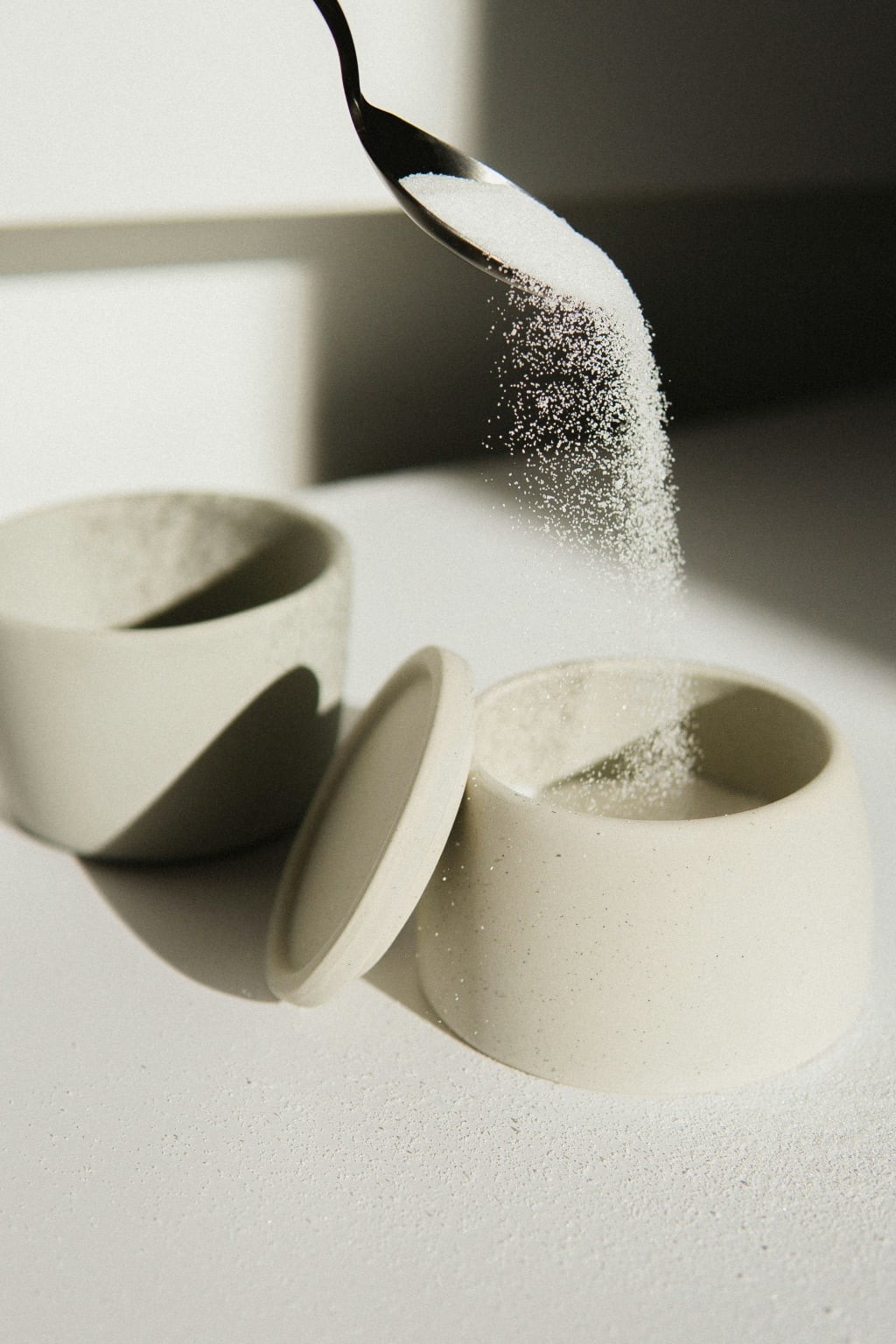
Artificial sweeteners promise all the sweetness without the calories. They dominate our sodas, snacks, and diets, promising to help shed pounds and boost health. But do they deliver? Let’s explore their true impact on weight loss and well-being.
Sugar: The Overindulged Villain
Americans consume about 57 pounds of added sugar annually, fueling obesity, diabetes, and heart disease. Sugar’s high caloric density and ease of storage as fat make it a prime target for those aiming to lose weight.
However, sugar is deeply rooted in culture. Birthdays, holidays, and daily rituals revolve around sweet treats. For many, cutting sugar feels like giving up joy itself. This emotional connection explains why alternatives like artificial sweeteners are so popular—they preserve the pleasure of sweetness while reducing caloric intake.
While sugar reduction is crucial, artificial sweeteners bring their own complexities.
What Are Artificial Sweeteners?
Artificial sweeteners, like aspartame and sucralose, mimic sugar’s sweetness without its caloric load. Regulators like the FDA and Health Canada deem them safe when consumed within recommended limits. However, concerns persist.
Critics argue sweeteners may confuse the brain, disrupting calorie regulation and increasing cravings for sugary or high-calorie foods. This counterproductive cycle undermines their potential benefits. Additionally, they don’t address the root cause of excessive sugar consumption: our habits.
Despite controversy, sweeteners offer unique advantages for managing weight.
The Science of Sweeteners and Weight Management
Unlike sugar, sweeteners don’t trigger insulin spikes, making them suitable for diabetics and calorie-conscious individuals. However, studies show overconsumption of "light" products often leads to higher overall calorie intake. Believing they’re diet-friendly, people eat more than intended.
Sweeteners also play a role in avoiding the yo-yo effect—the rapid regain of lost weight. By satisfying sweet cravings without adding calories, they help maintain dietary adherence. But they’re not a magic bullet; lasting weight loss requires a balanced diet and exercise.
Behavioral strategies, like savoring sugar-free treats mindfully, reduce the desire for overindulgence. This practice aligns with intuitive eating principles, encouraging individuals to listen to hunger and fullness cues.
Moreover, blending artificial sweeteners with natural options like stevia may reduce reliance on processed foods while preserving the desired sweetness.
Sweeteners’ role in health extends beyond weight loss.
Myths vs. Facts: Addressing Health Concerns
Aspartame’s reputation suffers from misinformation. Claims linking it to cancer or neurological damage lack credible evidence. Regulatory agencies worldwide confirm its safety. Yet, internet rumors persist, fueling unnecessary fear.
Emerging research explores sweeteners’ effects on gut health. Some studies suggest they alter the microbiome, potentially impacting metabolism and immunity. While findings remain inconclusive, they highlight the importance of moderation.
Furthermore, debates around "natural" versus artificial sweeteners often mislead consumers. Options like monk fruit or erythritol, while marketed as healthier, may still cause gastrointestinal discomfort when overused.
To combat misinformation, consumers must prioritize evidence-based resources over sensationalized headlines. Public health campaigns should focus on educating the public about safe and effective sweetener use within a balanced diet.
Beyond myths, let’s explore how to use sweeteners wisely.
Practical Tips for Sweetener Use
- Choose Wisely: Read labels to identify products with minimal additives.
- Moderation Matters: Avoid overindulging in "sugar-free" items.
- Focus on Whole Foods: Balance sweeteners with nutrient-dense foods.
- Adopt Healthy Habits: Combine sweeteners with exercise and mindful eating.
- Explore Natural Options: Stevia and monk fruit offer sweetness with fewer additives.
- Be Skeptical: Question "diet" claims and opt for sustainable, whole-food choices.
By following these strategies, sweeteners can support dietary goals without derailing overall health.
Using sweeteners effectively requires balance and informed choices.
Conclusion: Sweeteners in Perspective
Artificial sweeteners aren’t miracles or menaces. They’re tools—effective when used judiciously as part of a broader strategy for health. Balance, moderation, and credible information are key to unlocking their potential.
For sustainable health and weight management, combine sweeteners with whole foods, exercise, and mindful eating. Sweetness, whether from sugar or its substitutes, is best enjoyed in moderation. Understanding your dietary needs and habits ensures that sweeteners serve you rather than hinder your goals.
About the Creator
Alain SUPPINI
I’m Alain — a French critical care anesthesiologist who writes to keep memory alive. Between past and present, medicine and words, I search for what endures.
Keep reading
More stories from Alain SUPPINI and writers in FYI and other communities.
Mastering French Without Losing Your Sanity: A Realistic Guide for Beginners
Learning French can feel like solving a Rubik’s Cube blindfolded. The tricky pronunciation, the never-ending grammar rules, and the surprising exceptions make it seem impossible. But don’t worry—equipping yourself with key expressions and effective strategies can turn frustration into fluency. Let’s simplify French and make learning enjoyable.
By Alain SUPPINIExclusive • 12 months ago



Comments
There are no comments for this story
Be the first to respond and start the conversation.