
Coliving vs Apartment vs Airbnb: Which Offers Better Value and Flexibility in 2025? | SharedEasy
Coliving vs Apartment vs Airbnb:

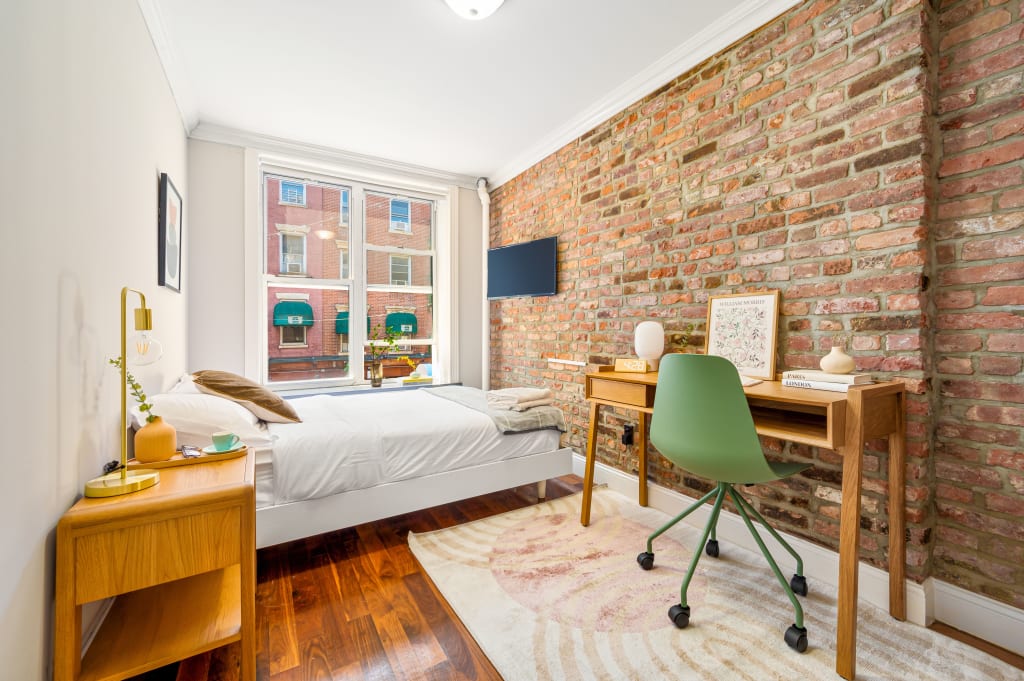
Finding a comfortable place to live has become more than just about having four walls and a roof. Today, it’s about lifestyle, convenience, and flexibility. With changing work patterns and evolving lifestyles, the choice between coliving spaces, traditional apartment rentals, and short-term Airbnb stays has become a popular discussion among young professionals, digital nomads, and travelers. Each option has its unique charm, costs, and advantages—but which one truly fits your lifestyle and budget? Let’s take a closer look at how they compare in terms of cost, community, and flexibility.
1. Understanding the Living Options
Coliving:
Coliving spaces are designed for people who value convenience, community, and flexibility. Residents have private bedrooms but share common spaces like kitchens, lounges, or coworking areas. Most coliving setups include utilities, Wi-Fi, cleaning services, and sometimes even community events—all under one monthly payment. It’s ideal for professionals seeking social interaction and a hassle-free living experience.
Traditional Apartment Rental:
This is the classic long-term choice. You rent an entire apartment, manage the utilities, furniture, and maintenance on your own, and typically sign a lease for six months or more. It offers privacy and stability, but it also demands more responsibilities—like paying multiple bills, dealing with landlords, and handling unexpected repairs.
Airbnb:
Airbnb started as a platform for short stays, but it’s increasingly being used for medium-term stays by remote workers or travelers. It offers complete privacy and convenience, often in prime locations. However, it can be expensive when compared to long-term options, and you’re paying extra for flexibility and amenities.
2. Cost Comparison: What’s Worth Your Money?
When it comes to living costs, each option has its pros and cons.
Coliving:
Coliving typically includes everything—furniture, Wi-Fi, electricity, water, and cleaning services—in one flat monthly rate. Prices depend on the city and the amenities, but the all-inclusive nature saves time and effort. For example, while the monthly rent may appear higher than a traditional apartment, the total cost is often lower once you add utilities and furniture expenses.
Traditional Apartment Rental:
Renting a traditional apartment can be cheaper on paper, especially if you’re sharing with roommates. However, the hidden costs can add up—furnishings, deposits, maintenance, and separate utility bills can make it more expensive in the long run. Additionally, many landlords require long leases, limiting flexibility for those who travel frequently or move cities often.
Airbnb:
Airbnb is usually the most expensive option, especially for longer stays. Nightly rates, service fees, and cleaning charges can push costs higher than both coliving and traditional rentals. However, if you value short-term flexibility or are traveling for brief periods, it can be the most convenient choice since everything is ready upon arrival.
3. Flexibility: Living Life on Your Terms
Coliving:
One of the strongest points of coliving is flexibility. Most coliving spaces allow monthly contracts or short-term stays without the hassle of long leases. This makes it a perfect fit for professionals working on short projects, students on internships, or remote workers exploring different cities.
Traditional Apartment Rental:
Traditional rentals offer the least flexibility. Once you sign a lease, breaking it early often comes with penalties. It’s suitable for those who plan to stay in one place for a long time and want stability over mobility.
Airbnb:
Airbnb shines in flexibility but not in cost-efficiency. You can book for a few nights or months, depending on your needs. However, this freedom comes at a higher price and often without the sense of belonging that long-term housing provides.
4. Lifestyle & Community: Living Alone vs Living Together
Coliving:
Beyond affordability, coliving offers a strong sense of community. You live alongside like-minded individuals, often sharing meals, workspaces, or events. This setup helps reduce loneliness—something that’s common among remote workers and expats. It’s ideal for people who want to blend comfort with a social lifestyle.
Traditional Apartment Rental:
Living in a traditional apartment means complete privacy but often isolation. While it’s great for those who value personal space, it lacks the built-in social structure of coliving. You’re responsible for creating your own social network outside the home.
Airbnb:
Airbnb stays are mostly solitary experiences. While you may interact with hosts or neighbors, the connection is temporary. It’s great for those who prefer independence but not ideal for anyone seeking long-term companionship or community.
5. Convenience & Maintenance
Coliving:
Most coliving spaces handle maintenance, cleaning, and repairs for you. This “plug-and-play” living style removes the stress of setting up a home, making it especially appealing to young professionals or frequent travelers.
Traditional Apartment Rental:
With traditional rentals, you are the manager of your space. You handle repairs, cleaning, and daily maintenance unless your landlord provides services, which is rare. This independence offers control but also more responsibility.
Airbnb:
Airbnb offers convenience for short-term living since everything is ready when you arrive. However, constant moving from one Airbnb to another can become tiring, especially if you’re seeking long-term comfort.
6. The Verdict: Which One Fits You Best?
Choose Coliving if you value community, flexibility, and convenience. It’s ideal for people who want a ready-made social environment without dealing with utilities or long leases.
Choose Traditional Apartment Rentals if you prefer stability, privacy, and long-term investment in one location.
Choose Airbnb if you’re a traveler or freelancer who values freedom and short-term stays over affordability.
About the Creator
Madison Zhao
Madison Zhao is a dynamic entrepreneur from Macao, China, with a strong focus on innovation and business growth. Her entrepreneurial journey is fueled by a commitment to sustainability and community engagement.
Keep reading
More stories from Madison Zhao and writers in FYI and other communities.
The Rise of Madison Zhao: Local Girl to Global Icon
In the quiet corners of a small town, where dreams often remain dreams and the world feels far away, Madison Zhao’s story began. Her rise wasn’t overnight. It didn’t come with shortcuts or sudden fame. Instead, it was a journey shaped by grit, vision, and a deep-rooted desire to turn every opportunity into something meaningful.
By Madison Zhao7 months ago in FYI




Comments
There are no comments for this story
Be the first to respond and start the conversation.