
Gut Feelings: Unveiling the Mysteries of Gastrointestinal Diseases and Their Treatments
Understanding GI Diseases: Causes, Symptoms & Treatments"

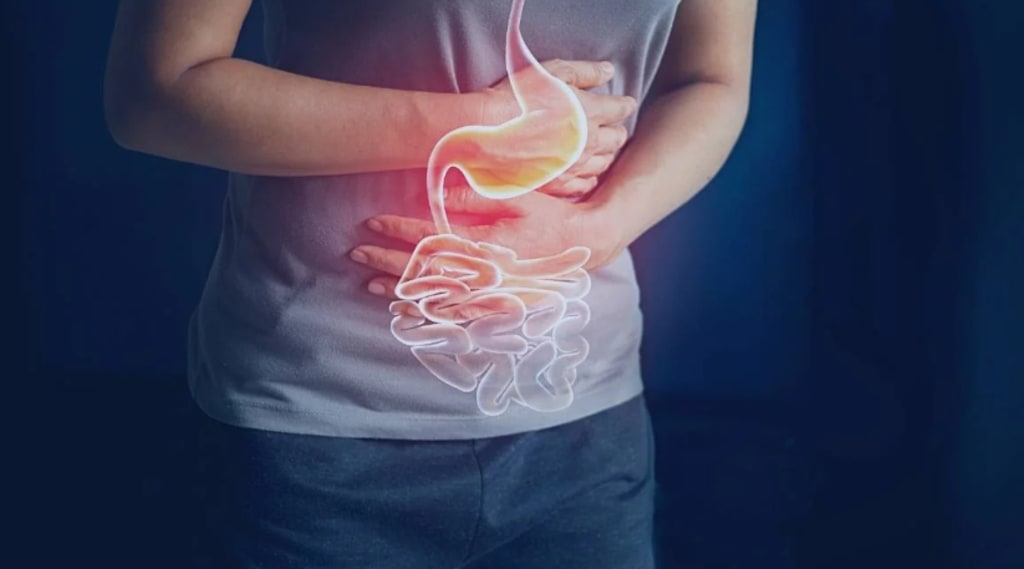
Have you ever had a gut feeling that something wasn't quite right? Sometimes, that feeling isn't just intuition—your body signals that your digestive system needs attention. We often take our digestive system for granted, only noticing it when discomfort, bloating, or pain sets in. But what if these symptoms point to a more serious gastrointestinal (GI) issue?
Gastrointestinal diseases can impact daily life, making simple tasks like eating, working, or sleeping uncomfortable. Let's take a closer look at common GI diseases, their symptoms, causes, and treatments so you can take charge of your gut health.
Common Gastrointestinal Diseases
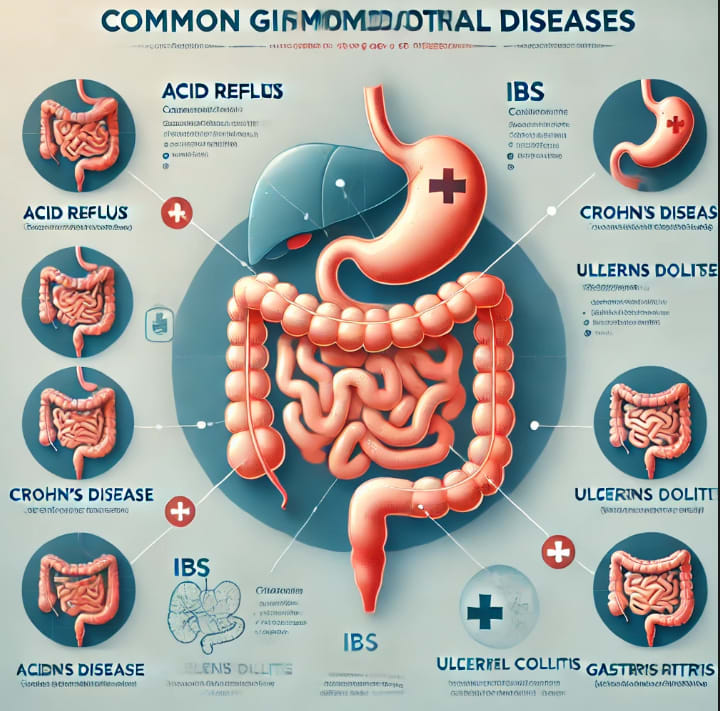
Our digestive system processes everything we eat and drink, extracts nutrients, and eliminates waste. When it doesn't function properly, GI diseases can develop. Here are some of the most common conditions people face:
1. Irritable Bowel Syndrome (IBS)
IBS is like an unpredictable guest that overstays its welcome. It causes bloating, cramping, abdominal pain, and alternating bouts of diarrhea and constipation.
- Prevalence: Affects about 4% to 7.9% of the Indian population.
- Causes: Although the exact cause is unknown, stress, certain foods, hormonal fluctuations, and imbalances in gut bacteria are common triggers.
2. Inflammatory Bowel Disease (IBD)
Unlike IBS, which is a functional disorder, IBD refers to chronic inflammatory conditions like Crohn's disease and ulcerative colitis.
- Prevalence: Over 5% of Indians are affected by IBD.
- Symptoms: Severe diarrhea, abdominal pain, weight loss, and fatigue.
- Causes: Genetics, an overactive immune response, and environmental factors play a role.
3. Gastroesophageal Reflux Disease (GERD)
Have you ever experienced that burning sensation in your chest after a spicy meal? That’s acid reflux, and when it happens frequently, it can lead to GERD.
- Prevalence: About 15.6% of the Indian population experiences GERD.
- Causes: Weakness in the lower esophageal sphincter, obesity, smoking, and excessive consumption of acidic or spicy foods.
4. Chronic Constipation
Struggling to go to the bathroom? You're not alone.
- Prevalence: Many adults worldwide suffer from chronic constipation.
- Causes: Low fiber intake, dehydration, sedentary lifestyle, and certain medications.
Why Do GI Diseases Occur?
Many factors contribute to digestive disorders, including:
- Diet: Processed foods, excess sugar, and low-fiber diets can wreak havoc on gut health.
- Lifestyle: Long work hours, lack of exercise, and high-stress levels negatively impact digestion.
- Gut Microbiome Imbalance: The bacteria in our gut play a crucial role in digestion; an imbalance can lead to various disorders.
- Genetics: A family history of GI diseases increases the risk.
When Should You Worry?
Mild digestive issues are common, but persistent symptoms warrant medical attention. Warning signs include:
- Ongoing stomach pain or cramping
- Bloating and gas
- Frequent diarrhea or constipation
- Heartburn and acid reflux
- Unintentional weight loss
- Fatigue and weakness
Ignoring these symptoms can lead to complications, so seeking medical help is important if they persist.
How Are GI Diseases Diagnosed?
Doctors use various methods to identify gastrointestinal conditions:
- Medical History & Physical Examination: Discussing symptoms, dietary habits, and family history.
- Lab Tests: Blood and stool tests to detect infections or inflammation.
- Imaging Studies: CT scans, MRIs, and ultrasounds help visualize the digestive tract.
- Endoscopy & Colonoscopy: A tiny camera examines the stomach and intestines for abnormalities.
Gastrointestinal Disease Treatments
Gastrointestinal disease treatment depends on the specific condition, but the overall goal is to relieve symptoms, prevent complications, and restore digestive balance. Here's how:
1. Dietary Changes: The Foundation of Gut Health
- Increase Fiber: Whole grains, fruits, and vegetables help regulate bowel movements.
- Probiotics & Prebiotics: Probiotics (found in yogurt and fermented foods) restore gut bacteria balance, while prebiotics (found in garlic, onions, and bananas) feed good bacteria.
- Stay Hydrated: Water is essential for smooth digestion and preventing constipation.
- Avoid Trigger Foods: Spicy, fried, and highly processed foods can worsen symptoms.
2. Medications: Helping Your Gut Heal
- Antacids & Acid Reducers: PPIs and H2 blockers reduce stomach acid for GERD treatment.
- Anti-inflammatory Drugs: These are used for IBD to manage gut inflammation.
- Laxatives & Stool Softeners: Provide relief for constipation.
- Antibiotics: Treat bacterial infections causing GI distress.
3. Lifestyle Changes: Long-Term Digestive Health
- Regular Exercise: Helps maintain healthy digestion.
- Stress Management: Yoga, meditation, and deep breathing reduce IBS and GERD symptoms.
- Healthy Weight Maintenance: Obesity increases the risk of GI issues, making balanced eating and exercise essential.
4. Surgery: When It's the Best Option
In severe cases, surgery may be necessary:
- For IBD: Removing damaged sections of the intestines.
- For GERD: A procedure called fundoplication tightens the esophageal sphincter.
- For Colorectal Cancer: Removing tumors or affected parts of the colon.
5. Alternative Therapies: Natural Approaches
Some people find relief in:
- Acupuncture: This may regulate gut function and relieve pain.
- Herbal Remedies: Peppermint oil, ginger, and turmeric support digestive health.
- Hypnotherapy: Effective in managing IBS symptoms.
The Alarming Rise of GI Diseases in Young Adults
In recent years, more young adults have been diagnosed with digestive disorders. Poor diet, stress, and inactivity are major contributing factors. Even more concerning, colorectal cancer rates among people under 50 are rising, highlighting the importance of early detection and lifestyle changes.
About the Creator
Erika Phillips
Erika Phillips, a dedicated Health content writer, crafts heartfelt, insightful articles. Passionate about the power of knowledge, she simplifies complex health topics, empowering readers to take charge of their well-being.
Keep reading
More stories from Erika Phillips and writers in FYI and other communities.
Can Colon Cancer Be Hereditary? Key Facts to Protect Your Health
Colon cancer, also called colorectal cancer, is one of the most common cancers in the United States. It can affect both men and women and often starts silently, with few noticeable symptoms. While factors like diet, age, and lifestyle can contribute to its development, family history and genetics play an important role, too.
By Erika Phillips about a year ago in Education
What Makes Aerospace Manufacturing Different from Other Industries?
Manufacturing exists across countless industries, from automotive production to consumer electronics. However, aerospace manufacturing stands apart because of the extreme demands placed on both products and processes. In aviation, there is no margin for error. Every component must perform flawlessly under stress, pressure, vibration, and temperature variation.
By Beckett Dowhana day ago in FYI
📢 Raise Your Voice Thread: 02/19/2026
Our “Raise Your Voice Threads” are hosted most alternating Thursdays at 12PM ET to offer creators more avenues to uncover exceptional stories on Vocal. As we are continuously searching for fresh creators and inspiring stories, this thread provides an opportunity to exchange and discuss the stories that have moved and motivated us on Vocal.
By Raise Your Voice by Vocalabout 20 hours ago in Resources




Comments
There are no comments for this story
Be the first to respond and start the conversation.