
How Water Damage Can Affect Your Home’s Foundation
Understanding the Hidden Risks: How Water Damage Weakens Your Home’s Foundation
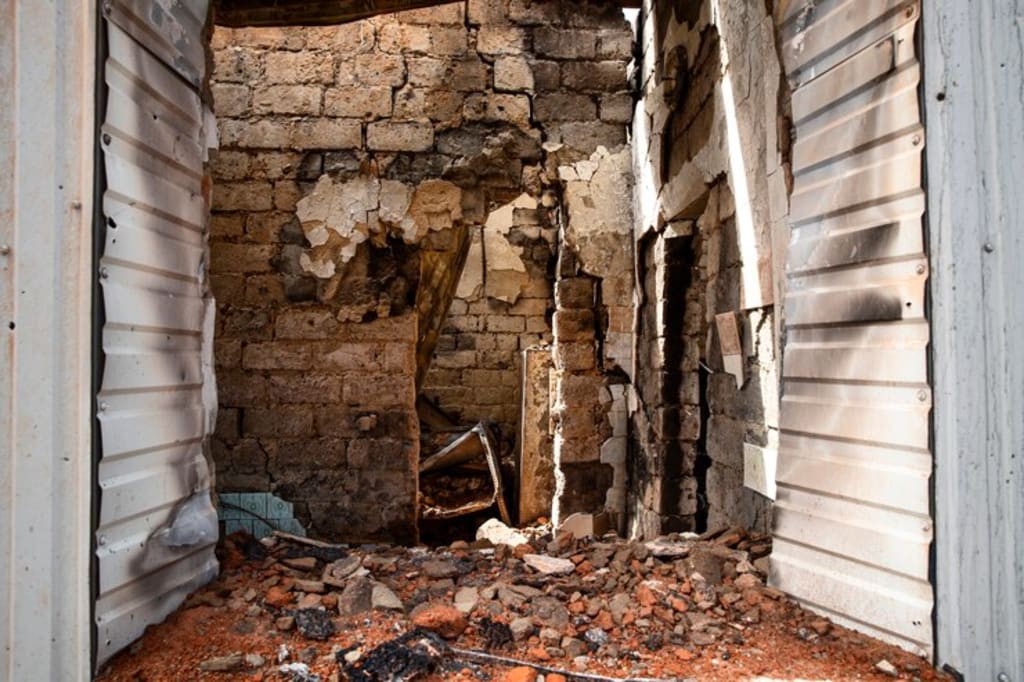
Water damage is one of the most serious threats to the integrity of a home’s foundation. Left unchecked, it can lead to structural problems, costly repairs, and even health risks. Understanding how water damage can affect your home’s foundation is crucial to preventing long-term issues and protecting your investment.
In this article, we will break down the common ways water damage can compromise your home’s foundation, signs to watch for, and steps you can take to prevent or repair damage. If you’re a homeowner in Georgia, you’ll also want to know when to contact a water damage restoration company in GA to tackle severe issues.
How Water Damages Your Foundation
Water damage can affect your home’s foundation in several ways, from gradual wear to sudden shifts in the structure. The foundation of a house is designed to support the weight of the structure, but when water accumulates around or under it, it weakens the soil and materials that hold the foundation together. Here's how:
1. Soil Erosion
One of the most common ways how water damage can affect your home’s foundation is through soil erosion. When water pools near the base of your house due to poor drainage or heavy rainfall, it can wash away the soil that supports the foundation. This causes the foundation to settle unevenly, leading to cracks in walls and floors.
2. Foundation Cracks
When water saturates the ground, the soil expands and puts pressure on the foundation walls. Over time, this pressure can cause cracks to form in the foundation, which can worsen if water continues to seep through them. Foundation cracks not only weaken the structure but also allow more water to enter, creating a cycle of damage.
3. Shifting and Settling
Excess water can also cause the soil beneath the foundation to shift, leading to settling. When the ground shifts unevenly, the foundation loses stability, and parts of the house may begin to sag or tilt. This is especially dangerous because it can lead to significant structural damage.
4. Hydrostatic Pressure
Water can build up against the foundation walls, exerting what’s known as hydrostatic pressure. This pressure can push water through small cracks in the walls, and if it’s strong enough, it can even cause sections of the foundation to buckle or break apart.
Signs of Water Damage in Your Home’s Foundation
Recognizing the early signs of how water damage can affect your home’s foundation can save you from expensive repairs later. Keep an eye out for these indicators:
1. Cracks in Walls and Floors
Small cracks in the walls or floors of your home might not seem like a big deal at first, but they can signal foundation trouble. If you notice cracks growing over time or appearing in multiple areas, it could be a sign that water damage is affecting the foundation.
2. Doors and Windows That Stick
If doors and windows start sticking or become difficult to close, this could be due to the foundation shifting. As the foundation moves, the frames of doors and windows can become misaligned.
3. Uneven Floors
If you feel like the floors in your home are uneven or sloping, this could indicate that the foundation is settling or shifting due to water damage.
4. Mold and Mildew
The presence of mold or mildew around your foundation or in the basement is a red flag that water is seeping into your home. Excess moisture promotes mold growth, which can cause health problems and further weaken the structure.
Preventing Water Damage to Your Foundation
Prevention is key when it comes to avoiding foundation issues caused by water damage. Here are some practical steps you can take:
1. Improve Drainage Around Your Home
One of the best ways to prevent how water damage can affect your home’s foundation is to ensure proper drainage. Make sure your gutters are clean and directing water away from the foundation. Installing downspout extenders can also help by channeling rainwater further from the base of the house.
2. Slope the Ground Away from Your Home
Ensure the ground around your home is sloped away from the foundation. A gentle slope will allow water to flow away from the structure instead of pooling around it.
3. Install a Sump Pump
If your basement or crawl space is prone to flooding, installing a sump pump can help manage excess water. Sump pumps collect and pump water away from your foundation, preventing it from seeping into the structure.
4. Fix Leaks Promptly
Leaking pipes, faucets, or downspouts can contribute to water damage. Address any leaks quickly to prevent water from pooling near the foundation.
When to Call a Professional Water Damage Restoration Company
If you suspect your foundation has already been compromised, it’s essential to contact a professional water damage restoration company in GA. They have the expertise to assess the extent of the damage, repair cracks, and restore your foundation’s integrity. Ignoring the problem or attempting DIY solutions may only worsen the issue over time.
Water Damage Amid COVID-19 Can Be the Most Catastrophic Event That One Would Want
FAQs
1. What are the common causes of water damage to a foundation?
The most common causes of water damage to a foundation include poor drainage, clogged gutters, leaking pipes, and improper grading around the home. Heavy rainfall, floods, and rising groundwater levels can also lead to foundation issues.
2. How do I know if my home needs foundation repair?
Signs that your home may need foundation repair include visible cracks in the foundation, walls, or floors, doors and windows that stick, uneven floors, and the presence of mold or mildew. If you notice any of these symptoms, it’s important to consult a water damage restoration company in GA for a professional assessment.
Conclusion
Water damage is a serious issue that can severely impact the stability of your home’s foundation. Understanding how water damage can affect your home’s foundation is the first step toward preventing long-term damage. By taking steps to improve drainage, addressing leaks, and knowing when to call in professionals, you can protect your home and avoid costly repairs. If you're ever unsure or suspect damage, contacting a reputable water damage restoration company in GA can save you time and stress in the long run.
About the Creator
Area 51 Secrets the CIA Doesn’t Want You to Know
For decades, Area 51 has been the source of endless rumors, conspiracy theories, and late-night internet debates. The top-secret military base in Nevada has long been associated with aliens, UFOs, and government cover-ups, but what if the real secrets go far beyond what we’ve imagined?
By Areeba Umair4 days ago in FYI
The Pride Flag and the Diversion
For nearly a decade, the LGBTQIA Pride Flag rippled in the wind at Christopher Park, a kaleidoscope of color staked into the soil of America’s first national monument to LGBTQIA+ liberation. That flag came down this week. Federal officials, citing new guidance from the Trump Administration, silently lowered the rainbow flag from its pole across the street from the Stonewall Inn. The birthplace of the modern gay rights movement now flies only the United States flag.
By Tim Carmichael6 days ago in Pride



Comments
There are no comments for this story
Be the first to respond and start the conversation.