
Koalas and Their Extraordinary ‘Magic Sauce’
(Essential Ingredients for Survival)


Everyone poops!
There is that old saying:
“If you don’t poop, you die!”
Poop is usually excreted as a waste, but some animals actively re-ingest their poo in a practice called coprophagy.
In this respect, the koala is in a league of their own and goes to great trouble to make this happen for the young.
Eating Poo
Coprophagy, from the Greek “to eat dung,” is common in many rodents, including rabbits, mice, rats, guinea pigs, and other mammals and birds.
While we may think of it as disgusting, it serves a valuable function: It colonizes the lower gut with essential bacteria (‘bugs’) to aid in digestion.
While some of you may have had puppies that also eat their own, this is usually a behavioral thing. They see their mother doing it and for the early part of their life, figure that is what you do.
The Koala’s ‘Magic Sauce’
I studied koala digestion for almost five years. They have a unique process to ensure that their young joeys are equipped with bacteria to help them digest their inhospitable diet of Eucalyptus leaves.
You can read more about “My Life with Koalas” in a series of articles that starts here:
My Life with Koalas Part 1: Let the Science Begin.
In koalas, the mother produces a poo-like substance called ‘pap’, which assists the joeys in transitioning from a milk diet to solid Eucalyptus leaves.
How this happens is calculated and almost ceremonial!
At about 5 -6 months of age, joeys are ready to leave the pouch and start eating solid food. Although still not completely understood; the joey stimulates the anal region of the mother, who then starts to go to the toilet and expels her poo. Koala poo is extremely dry and hard pellets.
As they don’t drink, they need to conserve all their water.
After about 45 minutes, the consistency of their poo changes and becomes like a green/brown jelly-like sauce (the ‘magic sauce or pap’). This is eaten by the joey for an hour or more.
Scientists have now shown that the transition is a deliberate and planned act by the mother. In fact, a mother producing pap goes into an almost trance-like state.
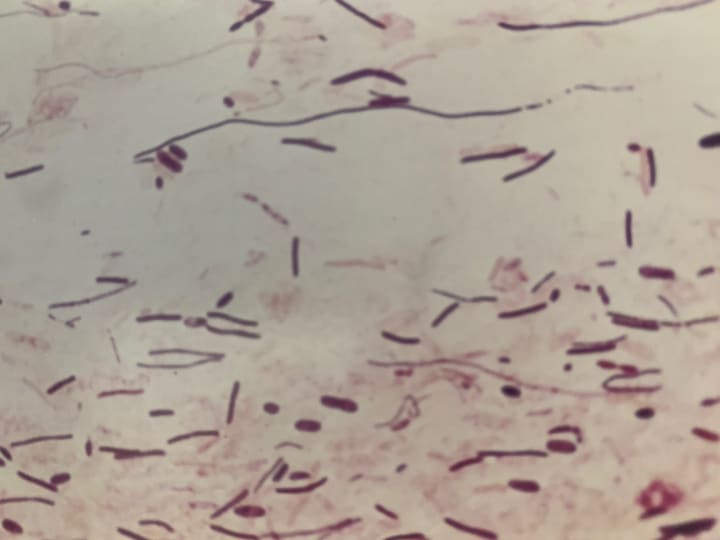
And the Reason Is?
This deliberate process can occur several times over a week or more. It transfers essential bacteria from the koala’s cecum.
When I studied koalas, I was lucky enough to compare the bacterial content of a young joey that had just started on ‘pap’ with the contents of the mother’s cecum. I found there were many similarities in the types of bacteria.
Subsequent work has shown that many of these bacteria actively break down tannins, a prominent component of the leaves. This digestion occurs in the koala’s extraordinarily long cecum, which is over 2 meters long.
Although coprophagy is common in many wild animals and birds, what makes the koala unique is that there is a physical change in what is eaten from normal poo to pap.
Baby elephants have been filmed eating freshly produced dung from their mother and many wild primates also do this. While we may think this is a disgusting practice, it is vital for the well-being of many young animals.
The special process with koalas and their magic sauce, only adds to their list of unique features.
Till next time, thanks for reading,
Calvin
[Originally published in Simply Wild. All rights reserved Calvin London 2024.]
About the Creator
Calvin London
I write fiction, non-fiction and poetry about all things weird and wonderful, past and present. Life is full of different things to spark your imagination. All you have to do is embrace it - join me on my journey.
Reader insights
Good effort
You have potential. Keep practicing and don’t give up!
Top insight
Heartfelt and relatable
The story invoked strong personal emotions
Keep reading
More stories from Calvin London and writers in FYI and other communities.
A Failed Artist, A Disillusioned Poet, An Underpaid Game Show Host
I took my son and niece to Gori, a small town in Georgia where Joseph Stalin was born. They talked me into visiting the Stalin's Museum, the largest in the post-Soviet space. I had resisted going there because I just can't stand the monster and know enough about him, or so I thought.
By Lana V Lynx28 days ago in FYI
Why Traffic Alone Doesn’t Decide AdSense Income
For a long time, I believed the same thing most bloggers do: More traffic equals more AdSense money. It sounds logical. More visitors should mean more clicks, and more clicks should mean more income. But after years of chasing pageviews, publishing relentlessly, and watching my earnings crawl instead of climb, I realized something important.
By Sadique Mannan7 days ago in FYI


Comments (2)
Fascinating And enlightening. My Labradors love to eat cow manure and bandicoot droppings and the like! A great delicacy in their ‘eat anything’ diet!😵💫
So Fantastic Oh My God❤️Brilliant & Mind Blowing Your Story, Please Read My Stories and Subscribe Me