
The Essential Components of a Professional Music Portfolio
Components of a Professional Music Portfolio

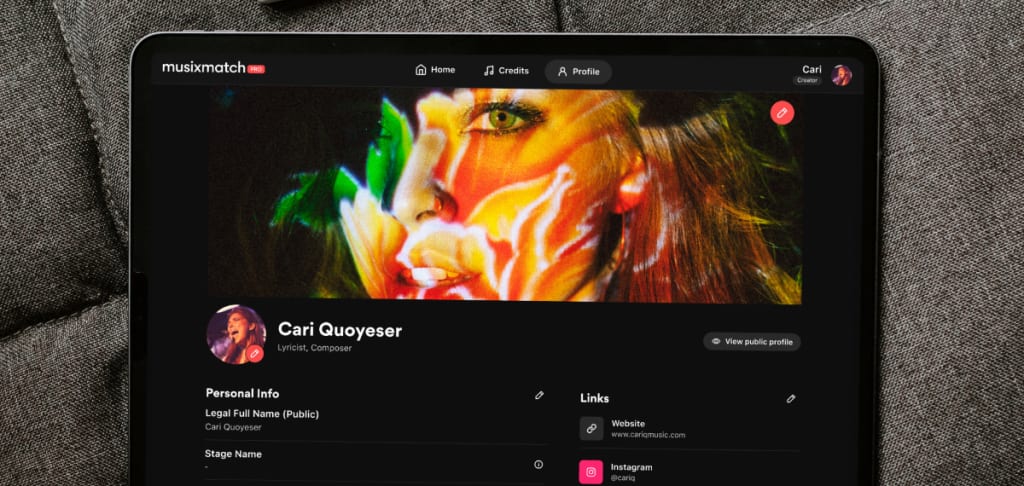
For musicians, a portfolio is not just a collection of works; it’s a powerful tool for career advancement. Understanding what a music portfolio consists of can help you present yourself professionally to potential collaborators, employers, and fans. This article will explore the essential components that make up a professional music portfolio and provide tips on how to create one that truly stands out.
1. Cover Page:
Start with a professional cover page that includes your name, contact information, and a high-quality photo.
Professional Presentation: The cover page sets the tone for your portfolio. Use a clean and simple design that reflects your personal brand.
Contact Details: Ensure that your contact information is clearly visible. This typically includes your name, email, phone number, and website or social media handles.
High-Quality Photo: Include a professional headshot that represents your image as a musician.
2. Table of Contents:
A table of contents helps organize your portfolio and makes it easy for the reader to navigate.
Organization: List the major sections of your portfolio with corresponding page numbers or links for digital portfolios.
Ease of Use: A well-organized table of contents makes it easier for industry professionals to find the information they are looking for.
3. Artist Statement:
Your artist statement should reflect your musical philosophy, inspirations, and the message you want to convey through your music.
Musical Philosophy: Describe your approach to music and what drives you as an artist.
Inspirations: Mention any artists, genres, or experiences that have influenced your music.
Message: Explain the themes or messages you aim to communicate through your music.
4. Resume:
Include a detailed resume that outlines your professional experiences, performances, and any relevant work in the music industry.
Performance Experience: List notable performances, including dates, venues, and any significant aspects of the event.
Recordings: Detail your discography, including albums, EPs, singles, and collaborations.
Collaborations: Mention any notable collaborations with other artists or industry professionals.
Additional Work: Include any teaching, production, or other relevant work in the music industry.
5. Recordings:
Provide high-quality recordings of your music. Choose pieces that showcase your range and abilities.
Studio Recordings: Include polished studio recordings that highlight your technical skills and artistry.
Live Performances: Add recordings of live performances to demonstrate your stage presence and audience engagement.
Demos: If applicable, include demo tracks that showcase your songwriting and composition skills.
6. Performance Footage:
Videos of live performances are essential. They demonstrate your stage presence and ability to engage with an audience.
Selection: Choose high-quality videos that capture your best performances.
Diversity: Include a variety of performance types, such as concerts, acoustic sets, or studio sessions.
Professionalism: Ensure the videos are well-produced and edited to present you in the best light.
7. Reviews and Testimonials:
Include reviews from critics and testimonials from colleagues or mentors. Positive feedback from reputable sources can add significant value to your portfolio.
Critical Reviews: Provide excerpts from professional reviews that highlight your strengths and achievements.
Testimonials: Include quotes from respected industry professionals who can vouch for your talent and professionalism.
Audience Feedback: If available, add positive comments from fans or audience members.
8. Photos:
Include professional photos that capture you in different musical settings. This adds a visual dimension to your portfolio.
Variety: Include photos from live performances, recording sessions, and promotional shoots.
Quality: Ensure all photos are high-resolution and professionally taken.
Relevance: Choose images that represent your brand and musical style.
9. Educational Background:
Detail your educational background, including any degrees, certifications, and notable training.
Formal Education: List any degrees or diplomas in music or related fields.
Workshops and Masterclasses: Mention any significant workshops or masterclasses you have attended.
Certifications: Include any relevant certifications, such as music production or performance qualifications.
10. Press Kit:
A press kit should be part of your portfolio. It includes a biography, discography, photos, and contact information, all in one place.
Biography: A succinct version of your bio that can be used for press releases or promotional materials.
Discography: A list of your recordings with brief descriptions.
Photos: A selection of professional photos for media use.
Contact Information: Easy-to-find contact details for press inquiries.
Conclusion:
A comprehensive music portfolio is a reflection of your musical journey and achievements. By carefully curating the contents of your portfolio, you can effectively communicate your skills and passion to the world. Remember, a well-rounded portfolio not only showcases your work but also tells the story of who you are as an artist.
About the Creator
Music Industry Updates
Welcome to Music Industry Updates, your go-to hub for the latest happenings in the music world.
Stay tuned, stay informed, and stay inspired with Music Pulse – where every beat counts.
Keep reading
More stories from Music Industry Updates and writers in FYI and other communities.
How Technology is Revolutionizing Co-writing a Song Remotely
Technology has dramatically transformed the way musicians collaborate on songwriting projects. In the past, songwriters needed to be in the same room to share ideas, but now, digital advancements have made it possible to co-write songs from different parts of the world. This article delves into the technological advancements that make remote co-writing not only possible but also efficient, enhancing the creative process and opening new avenues for collaboration.
By Music Industry Updates2 years ago in FYI
Why Aerospace Hardware Demands Extreme Precision
In aerospace engineering, hardware is never “just hardware.” Every fastener, fitting, bracket, washer, and mounting component plays a direct role in structural stability and mechanical integrity. Unlike conventional industrial applications, aircraft operate in extreme conditions where even the smallest dimensional error can lead to serious consequences.
By Beckett Dowhan4 days ago in FYI
There's A Hole in My Bucket
It’s a well-known fact that Liza Dufresne was always the brains in the family. She was the one who always came up with the brilliant schemes the Dufresne kids carried out when they were younger. Like when they tricked Mrs. Claybourn into paying for a trip to Disney World. Liza convinced her that their parents had been kidnapped and were being held for ransom for the total price of three tickets. In reality, they were away on a weekend getaway for their anniversary. When they returned, Liza told the Claybourns that they did not like to talk about the ordeal. Their parents never found out how they got the money. Mrs. Claybourn never found out that the Dufresne parents were never really in any danger.
By David E. Perry3 days ago in Fiction



Comments (2)
Amazing message
Thanks for sharing