
The Titles “First Lady” and “First Gentleman” in Churches Are Not Biblical
Here is a gentle look at the titles of “First Lady” and “First Gentleman” in some churches and not in others.

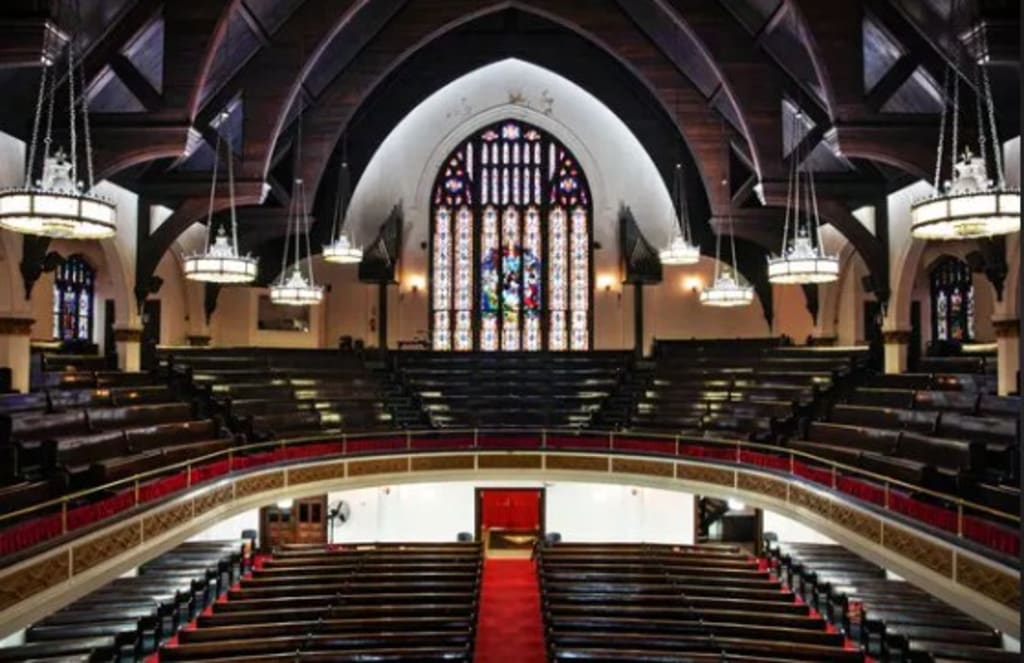
In many African American Baptist churches and some other denominations, “First Lady” and “First Gentleman” are titles, even though the Bible does not indicate that pastors' spouses should be addressed as such. Because those titles are not explicitly biblical, questions occasionally arise around their usage.
In many Black churches, especially in the South and along the East Coast, “First Lady” is a man-made title that has become a familiar part of congregational life. Some churches also use “First Gentleman” when the pastor is a woman. These titles didn’t come from the Bible, and they weren’t part of the early church. They grew out of cultural traditions as a way to show honor, respect, and appreciation for the pastor's spouse.
As times change and congregations grow more diverse, the conversation around these titles has grown, too. Some embrace them wholeheartedly. Others feel unsure. And many stand somewhere in the middle, wanting to honor tradition without elevating anyone above the congregation.
This article is simply a gentle reflection, not a judgment, and not a verdict. It is merely a chance to look at the tradition with clear eyes and consider what it means in churches today.
Where the Tradition Comes From
For many Black congregations, the title “First Lady” emerged as a way to acknowledge the unique weight carried by a pastor’s spouse. Historically, she was expected to:
- support her husband’s ministry
- serve as a quiet counselor
- help nurture the congregation
- hold the pastor’s confidence
- carry burdens that the congregation doesn't even know
The title became a way of saying, “We see you. We honor you.” It was never meant to replace Scripture, but to express gratitude.
The Pros: Why Some Churches Embrace the Title
1. It communicates respect.
For many congregations, “First Lady” is simply a cultural shorthand for honor. It signals appreciation for someone who often serves behind the scenes.
2. It creates a sense of identity.
Some spouses find comfort in having a defined role. The title helps them understand what the congregation expects and how they can serve.
3. It reflects long-standing tradition.
In many Black churches, tradition is not just history — it’s heritage. The title connects generations and preserves a familiar rhythm of church life.
4. It acknowledges unseen labor.
Pastoral spouses typically carry emotional, spiritual, and practical responsibilities that few people witness. The title can be a small way of saying, “Your work matters.”
The Cons: Why Others Are Cautious
1. It isn’t a biblical office.
Scripture outlines roles like pastor, elder, deacon, and teacher — but not “First Lady.” Some believers worry that the title can unintentionally elevate a person beyond what Scripture describes.
2. It can create an unbiblical hierarchy.
The title might directly or indirectly elevate the spouse above others in the church. This could make the pastor’s spouse feel separated from the congregation because she has been placed on a pedestal she never asked for. All believers are equally valued in Christ (Galatians 3:28).
3. It may bring pressure.
Not every spouse feels called to public ministry. Some prefer quiet service. A title can create expectations that feel heavy or unrealistic.
4. It is patterned after secular titles, especially politics.
Some people point out that the titles draw too heavily from secular rhetoric and political language, such as the First Lady of the United States because she is the spouse of the President.
5. It can overshadow individuality.
Spouses may want to be known by their name, their gifts, or their calling — not only by their relationship to the pastor.
6. A “First Lady” is not an official leader.
In many churches, the “First Lady” is often considered a leader herself, with decision-making authority in almost every facet of the ministry. Just because she is married to the pastor, she is allowed to have almost equal say in everything that goes on in the ministry. This is not the case in every local church, but it is a widening trend, especially in the Black churches.
7. There is unfair pressure on a pastor’s wife.
Sometimes expectations can place unfair pressure on a pastor’s wife. She might genuinely want only to be her husband’s helpmate and to pray, teach other women, and serve her church family as the Lord has equipped and directed her—without any special title.
8. There are some wrong assumptions about a “First Lady.”
In some churches, the “First Lady” is expected to set an example for other women, including how she dresses, wears her hair, and other features. This might make some women in the congregation feel that they don't measure up.
As you can see, there are more cons than pros.
A Gentle Middle Ground
Should the spouse of a pastor have a non-biblical title? There is no right or wrong answer, but it is an interesting question to consider. Some churches believe the pastor's wife should be called “First Lady” because she is the pastor's primary support. Ultimately, the decision is up to the individual church. What matters most is the spirit behind the choice.
Many churches today are finding ways to honor the pastor’s spouse without relying on titles. Others keep the title but hold it lightly, using it as a gesture of respect rather than a position of authority.
A Personal Reflection
In my own community, I’ve seen all sides. I’ve watched congregations use the title “First Lady” with genuine affection — not to elevate, but to appreciate. I’ve also seen spouses who felt more comfortable without it, choosing instead to serve quietly, without a formal designation.
A Question for the Church Today
Maybe the real invitation is not to debate the title, but to ask:
“How do we honor those who serve without placing them on a pedestal?”
If we can answer that question with grace, then whether a church uses the title or not becomes less important than the spirit in which we treat one another.
A Gentle Closing Thought
Tradition can be beautiful when it brings people together. It can also be reshaped when needed. The goal is not to cling to a title or to reject it — but to ensure that whatever we do reflects the heart of God and the spirit of Jesus. Remember, titles are optional. Grace is not.
A Gentle Call to Action
Feel free to share how your congregation approaches this tradition. Your voice adds to the conversation, and your experience may bless someone who’s been wrestling with the same questions.
About the Creator
Margaret Minnicks
Margaret Minnicks has a bachelor's degree in English. She is an ordained minister with two master's degrees in theology and Christian education. She has been an online writer for over 15 years. Thanks for reading and sending TIPS her way.
Keep reading
More stories from Margaret Minnicks and writers in FYI and other communities.
Weather Winter Storm Warning: The Quiet Signal Before Chaos
Winter rarely announces itself loudly at first. It arrives in small ways. A colder morning. A darker sky. A sense that something is shifting. Then a weather winter storm warning appears, and suddenly the mood changes. That short phrase carries weight. It speaks of snow piling faster than expected, ice turning roads into traps, and cold pressing into homes and routines. For some, it brings memories of long nights without power or dangerous drives that should have been avoided. For others, it feels easy to dismiss. This article looks closely at what a weather winter storm warning really means, why it deserves attention, and how it quietly shapes safety, choices, and daily life long before the first snowflake hits the ground.
By Muqadas khan6 days ago in FYI
Nancy Guthrie: Is a miracle still possible after close to two weeks?
Close to two weeks since Nancy Guthrie's abduction As of February 12, 2026, Nancy Guthrie remains classified as missing for 12 days, but there is no official confirmation that she is deceased. Blood matching Guthrie’s DNA was found on her front porch, indicating she likely suffered an injury during the abduction.
By Cheryl E Preston5 days ago in Geeks




Comments (1)
Growing up Inhad a first lady who played piano and worked with the youth. The next one served as a Deaconess and quietly supported her husband. The third served quietly until her husband started his own church. She was then distanced and called minister then elder. I’m eI’m revere expected to give gifts on her birthday which was not done in the other churches. I like the title pastor’s wife, it’s now customary in Roanoke to have a First Lady’s night where they are honored.