
Top Countries With Largest Gold Reserves
Discover which nations hold the most gold in 2025

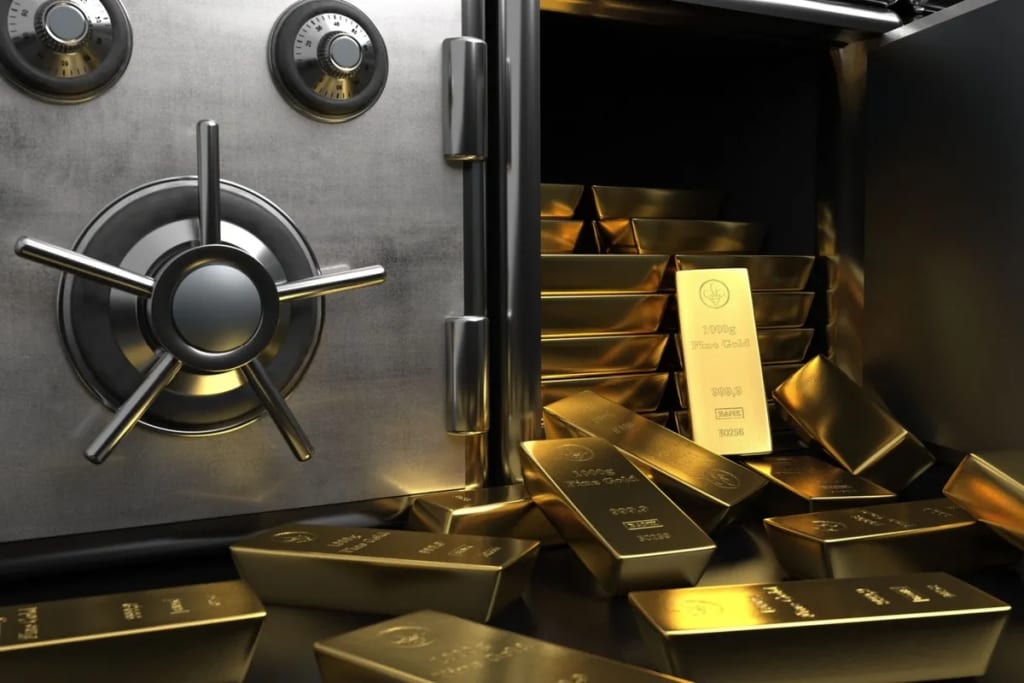
In the heart of Zurich, Switzerland, a young financial analyst named Elina stared at her computer screen in awe. She had been asked to prepare a gold market report for her international firm. As she began her research, one question led her down a fascinating path: Which countries own the most gold in the world — and why?
Elina soon learned that gold is more than just shiny metal. It's a symbol of national power, economic stability, and long-term wealth protection. Countries hold gold to back their currency, prepare for crises, and maintain global financial confidence. But not all nations have the same reserves. Some are giants in gold holdings, while others rely on trade and currency.
Her deep dive into global data revealed the latest list of top gold-holding countries as of 2025 — and the numbers were truly eye-opening.
1. United States – 8,133 metric tons
The U.S. has held the largest gold reserve for decades. Most of it is stored in Fort Knox, Kentucky. This massive stockpile plays a key role in the country’s economic reputation. Despite changes in the global economy, the U.S. sees gold as a timeless asset.
2. Germany – 3,352 metric tons
Germany comes in second, and much of its gold is stored in Frankfurt. After World War II, Germany began building its reserves to ensure financial strength. In recent years, it has even repatriated gold held overseas to boost public trust.
3. Italy – 2,452 metric tons
Even during financial struggles, Italy has refused to sell its gold. It’s seen as a national treasure and is largely held by the Banca d’Italia. Italians view gold not just as wealth, but as historical pride.
4. France – 2,436 metric tons
France keeps a solid reserve, most of which is stored by the Banque de France in Paris. Their gold policy is cautious, valuing stability and long-term security over frequent trading.
5. Russia – 2,299 metric tons
Russia has steadily increased its gold reserves over the past decade. This was part of a strategy to reduce reliance on U.S. dollars. Much of Russia’s gold is mined domestically, giving it better control over its stockpile.
6. China – 2,220 metric tons
China has been quietly growing its gold holdings. Though it’s one of the top gold producers in the world, it also buys gold aggressively. China sees gold as a way to support its global ambitions and protect against currency fluctuations.
7. Switzerland – 1,040 metric tons
Known for its strong banking system, Switzerland holds more gold than many larger countries. Gold plays a central role in its national identity and its reputation for financial neutrality.
8. Japan – 846 metric tons
Japan’s gold reserve hasn’t changed much in recent years. It prefers stability over speculation, and gold is part of its balanced economic policy.
9. India – 797 metric tons
Gold has deep cultural and religious significance in India. While most gold in India is privately owned by citizens, the country’s official reserves are also sizable and continue to grow.
10. Netherlands – 612 metric tons
The Dutch central bank believes in gold’s long-term value. A large part of its reserves is stored in Amsterdam, with some also held in foreign vaults for security reasons.

As Elina finished her report, she realized that these gold reserves weren't just numbers. They told stories of history, policy, trust, and strategy. Each nation had its reason — whether it was post-war recovery, economic protection, or geopolitical power.
She included a final note in her report:
"Gold isn’t just a commodity. It’s a mirror of national confidence and future planning. And for many countries, holding gold is not just smart — it’s necessary."
About the Creator
majid ali
I am very hard working give me support
Tempus Fugit
Introduction An old piece but still the same for me. Many people ask me how I find the time to do the things that I do, while I feel that I just do not do enough, and am not supportive enough. I have just returned from a day in Scotland, including about eight hours on a train, which included getting an unexpected electric shock, leaving me with a fried middle finger. I wasn't too sure if I would be able to type, but some Germolene has done it well and it now just feels a bit itchy and very red.
By Mike Singleton 💜 Mikeydred 7 days ago in FYI


Comments
There are no comments for this story
Be the first to respond and start the conversation.