
Unveiling the Wonders of the Past: Top 10 Historic Country Discoveries that Fascinate the World
Unveiling the Wonders of the Past: Top 10 Historic Country Discoveries that Fascinate the World

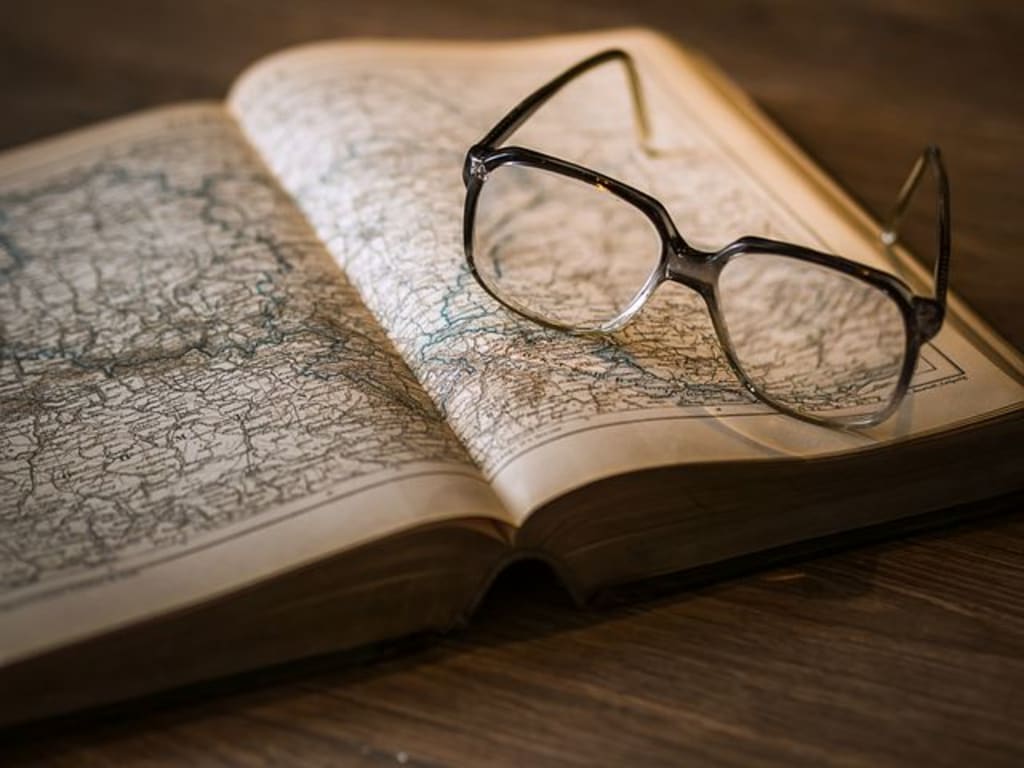
History holds a treasure trove of secrets waiting to be uncovered, and archaeological discoveries provide us with a glimpse into the past, offering insights into ancient civilizations, their cultures, and achievements. From grand monuments to ancient ruins, each discovery unravels new mysteries and enriches our understanding of human history. In this article, we will explore the top 10 historic country discoveries from around the world that continue to captivate and fascinate people to this day.
1. Egypt - The Grand Pyramids of Giza
Egypt is home to one of the most iconic and breathtaking archaeological discoveries in the world - the pyramids of Giza. These colossal structures, built over 4,500 years ago, continue to amaze with their sheer size and intricate construction. The pyramids of Giza, including the Great Pyramid, are believed to be burial sites of pharaohs and hold a wealth of information about ancient Egyptian beliefs, architecture, and engineering prowess. The mystery of how these massive stone structures were built remains a subject of fascination and speculation, making the pyramids of Giza a remarkable historical discovery.
2. China - The Terracotta Army
In 1974, an extraordinary discovery was made in China - the Terracotta Army. This massive collection of over 8,000 life-sized terracotta statues of soldiers, horses, and chariots was buried with China's first emperor, Qin Shi Huang, over 2,000 years ago. The Terracotta Army is a testament to the advanced craftsmanship and military might of the Qin Dynasty and offers invaluable insights into ancient Chinese history, culture, and warfare.
3. Greece - The Ancient City of Pompeii
The ancient city of Pompeii, located in Italy, provides a unique glimpse into the daily life of a Roman city frozen in time. Pompeii was buried under volcanic ash and preserved for centuries after the eruption of Mount Vesuvius in 79 AD. The well-preserved ruins of Pompeii offer a wealth of information about Roman architecture, art, and lifestyle, providing a rare window into the ancient world.
4. Peru - The Inca Citadel of Machu Picchu
High in the Andes Mountains of Peru lies the magnificent Inca citadel of Machu Picchu. Discovered in 1911, this ancient city was built by the Incas in the 15th century and offers breathtaking views of terraced fields, stone structures, and intricate craftsmanship. Machu Picchu is believed to have served as a royal estate or a ceremonial site and holds important clues about Inca civilization, engineering, and culture.
5. Italy - The Roman City of Pompeii
The Roman city of Pompeii, located in southern Italy, was a thriving urban center until it was buried under volcanic ash and preserved for centuries. The excavations at Pompeii have revealed a wealth of information about Roman architecture, art, religion, and daily life. The well-preserved ruins of Pompeii provide a remarkable insight into the advanced urban planning, engineering, and cultural practices of the Roman Empire.
6. Iraq - The Ancient City of Babylon
Babylon was one of the greatest cities of the ancient world, known for its immense wealth, architectural marvels, and cultural achievements. The discovery of the ancient city of Babylon in present-day Iraq has shed light on the magnificent structures, such as the Ishtar Gate and the Hanging Gardens of Babylon, which were considered among the Seven Wonders of the Ancient World. Babylon's ruins offer insights into the rich history and influence of the Babylonian civilization on the development of human culture.
7. India - The Indus Valley Civilization
The Indus Valley Civilization, also known as the Harappan civilization, is one of the oldest known civilizations in human history. Discovered in the 1920s in present-day India and Pakistan, the Indus Valley Civilization dates back to around 2600 BCE and is known for its well-planned cities, advanced architecture, and sophisticated drainage systems. The discoveries of ancient cities like Harappa and Mohenjo-Daro have provided valuable insights into the social, economic, and technological advancements of this ancient civilization.
8. Mexico - The Mayan Ruins of Chichen Itza
The Mayan civilization, known for its advanced mathematics, astronomy, and architecture, left behind numerous impressive ruins throughout Mexico and Central America. Among them, the ruins of Chichen Itza in Mexico stand out as one of the most significant discoveries. The site includes impressive structures such as the Temple of Kukulcan, also known as El Castillo, the Great Ball Court, and the Sacred Cenote. These ruins offer a glimpse into the complexity and ingenuity of Mayan culture, religion, and city planning.
9. Turkey - The Ancient City of Troy
The legendary city of Troy, immortalized in Homer's epic poem, the Iliad, was long believed to be a myth until its discovery in modern-day Turkey in the late 19th century. The excavations at Troy have revealed multiple layers of settlements, each representing a different era of human history, and have provided valuable insights into ancient Mediterranean civilizations, trade routes, and warfare. The discovery of Troy has shed light on the rich mythology and history of the ancient world.
10. United Kingdom - The Stonehenge
The mysterious prehistoric monument of Stonehenge, located in England, is a UNESCO World Heritage site that has fascinated historians, archaeologists, and tourists alike for centuries. Composed of massive standing stones arranged in a circular pattern, Stonehenge is believed to have been constructed around 2500 BCE and has remained an enigma, with its purpose and significance still debated by scholars. The discovery of Stonehenge has offered valuable clues about the ancient peoples' astronomical knowledge, engineering skills, and cultural practices.
About the Creator
Unofficial Challenge: What would you do if you were rich?
I love the kind of work I get to do in my career, but as I job search and browse apartments again due to another understaffed and unsustainable work environment that I did not intend to get into, my daydreams of better days consistently lean into the same question: What would I do if I didn't have to worry about my basic needs being met?
By Kay Husnick5 days ago in Writers


Comments
There are no comments for this story
Be the first to respond and start the conversation.