
Was What Happened at Mayerling Really a Murder-Suicide?
Mystery clings to the deaths of Austrian Crown Prince Rudolf and Baroness Marie Vetsera

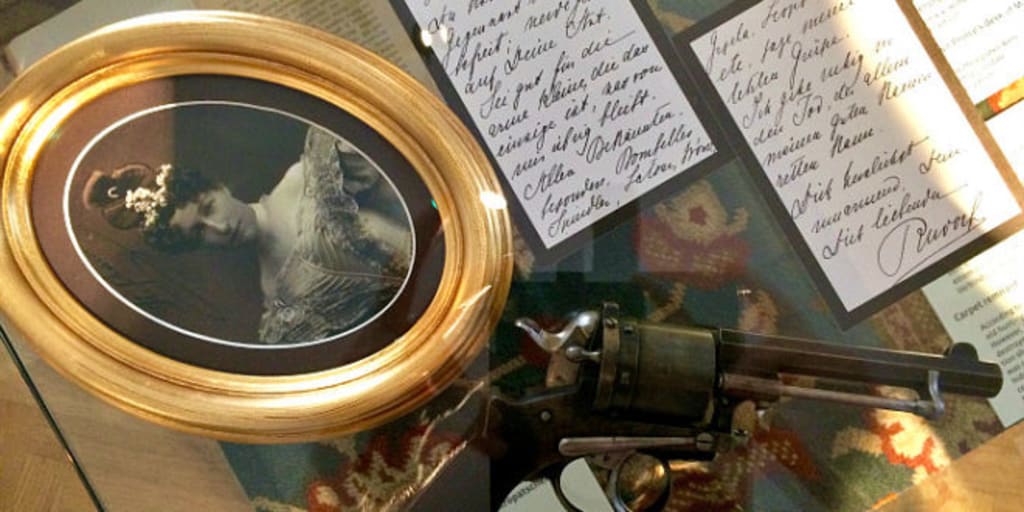
On the morning of January 30, 1889, the discovery of the bodies of Austria’s Crown Prince Rudolf and his seventeen-year-old mistress, Baroness Marie (Mary) Vetsera, at his hunting lodge in the Vienna Woods sent shockwaves around the world. Details of their deaths were even more shocking: the body of the baroness was naked, both had written goodbye notes, it appeared that Rudolf had shot his lover and then himself. But did he?
The official story
The Imperial family’s version of the incident at Mayerling was that Rudolf died of a heart attack. They quickly amended that as details leaked to the press. To convince church officials to allow the lovers Christian burials despite their demise's suicidal nature, a doctor stated that they had been temporarily insane at the time.
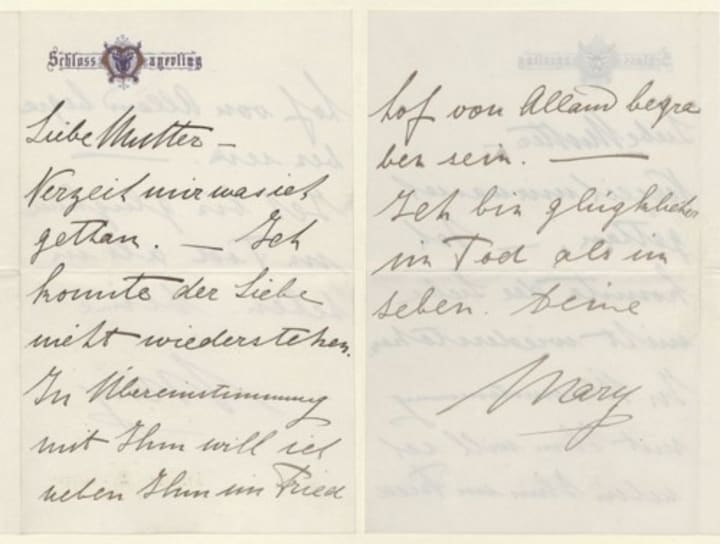
On the surface, the deaths would seem to be the result of a suicide pact between lovers. Rudolf was married with no possibility of divorce. Mary’s family would soon insist she marry someone else.
If they could not be together in life as man and wife, they could be together in death.
The couple's farewell letters give credence to this account, but there’s little else about the story that rings true. Countless royals before Rudolf had found a way to “have their cake and eat it, too.” Loveless marriages were the norm among the aristocracy and had been for centuries.
Both male and female rulers took lovers and had children out of wedlock. Some even recognized these children and gave them prominent positions in government. Why would Rudolf believe suicide to be his only choice?
The principal players
“Love is certainly one of the most beautiful things in the life of all living things.” —written by Rudolf at fifteen
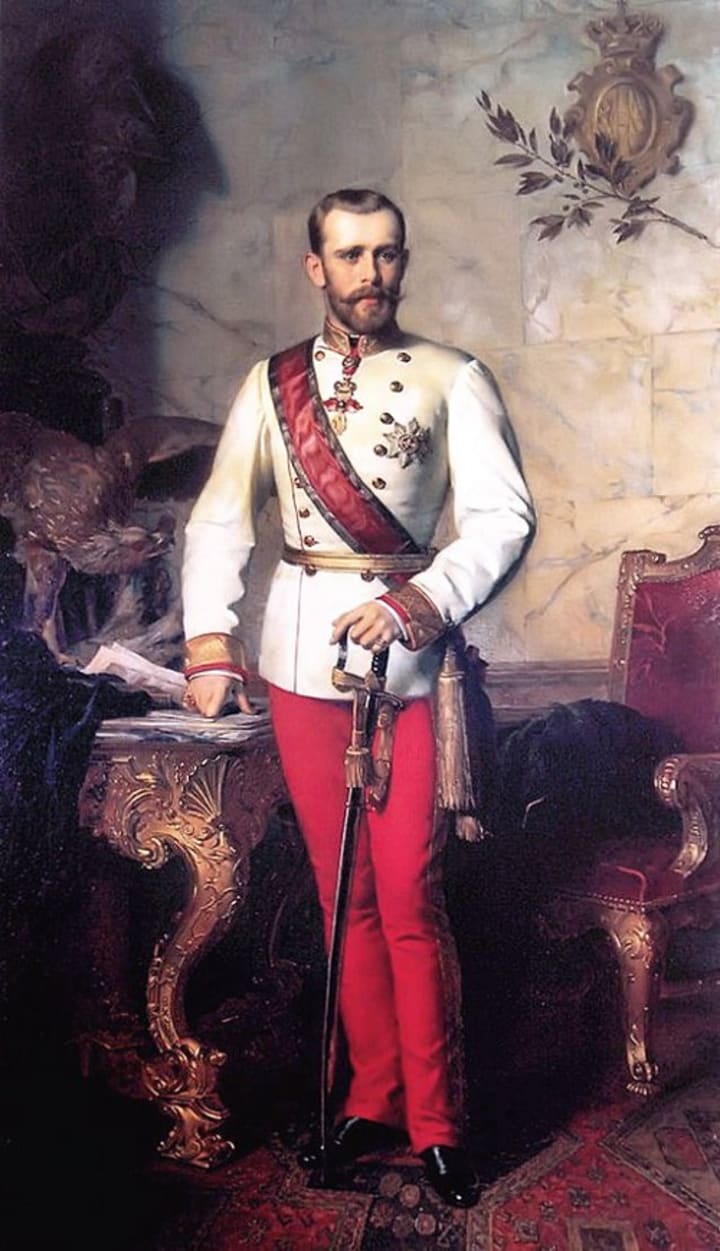
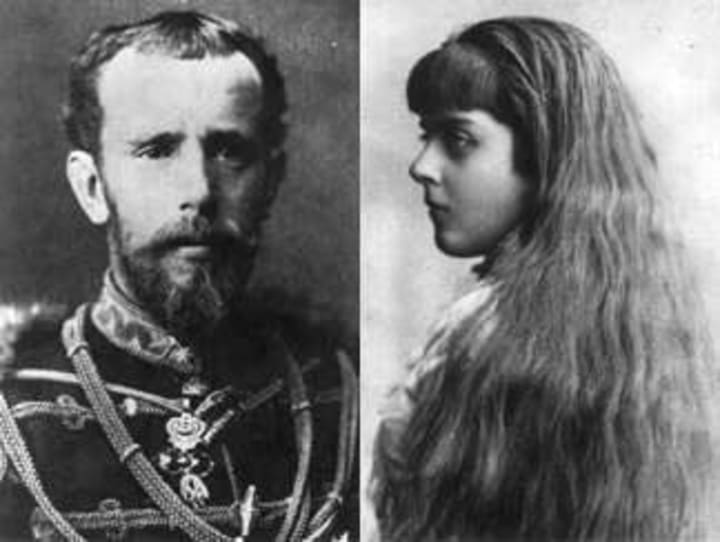
Crown Prince Rudolf (1858–1889) was the only son and heir to Emperor Franz Joseph I of Austria. He was handsome, intelligent, and was an avid sportsman. While his father was staunchly politically conservative, Rudolf embraced liberal ideas like a prosperous middle class.
The Crown Prince’s marriage in 1881 to Princess Stephénie of Belgium was unhappy. It produced one daughter. Like others before him, Rudolf sought solace in the arms of other women, and his relationship with Mary Vetsera was by no means exclusive.
The night before he died, he slept with his mistress actress Mizzi Kaspar. Some suggest that Rudolf originally asked Mizzi to die alongside him, but she thought he was joking.
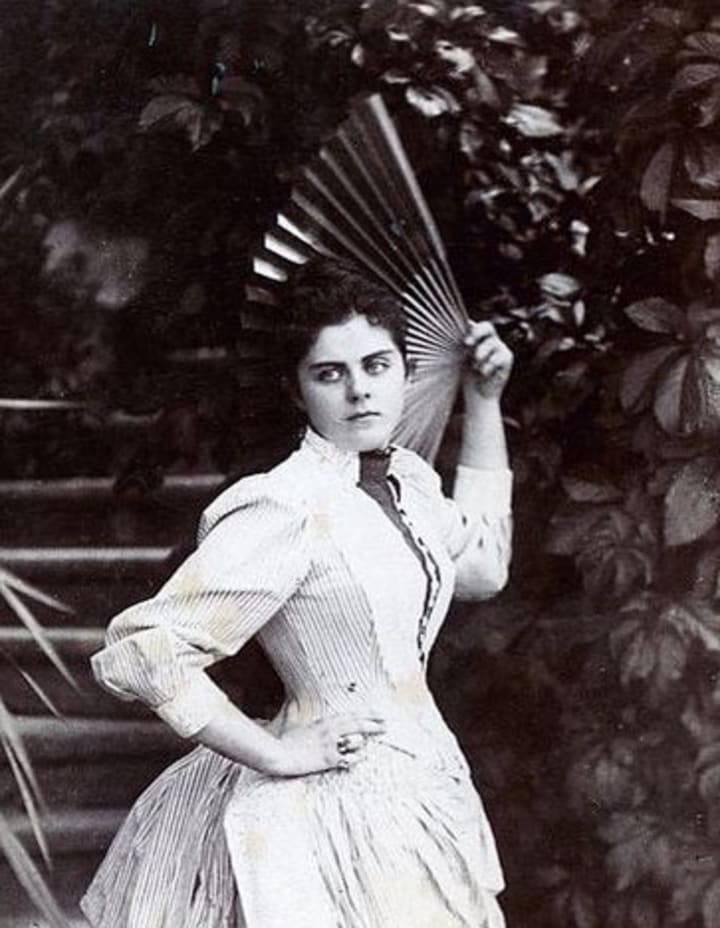
Baroness Mary Vetsera (1871–1889) may have had a title, but she was not of the same social class as the Imperial family. Her father was a diplomat who Emperor Franz Joseph made a baron just a year before her birth. Her mother was of a Greek noble family, twenty-two years younger than her husband, and an avid social climber.
Far from being disturbed by her daughter’s affair with the Crown Prince, Mary’s mother had facilitated it as a means to further the family fortunes.
Motive, means, and opportunity
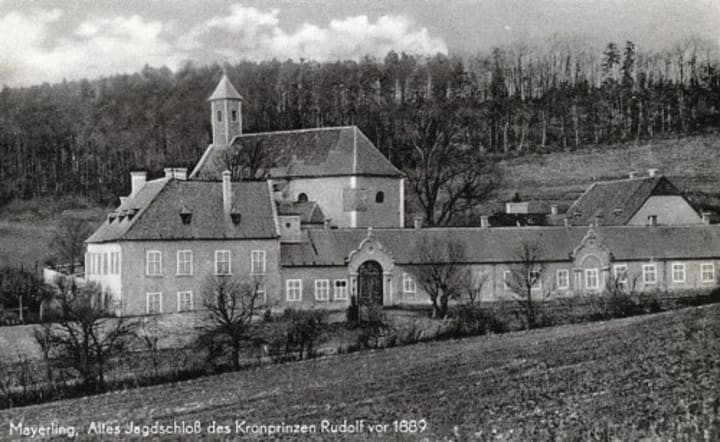
Due to his active and somewhat indiscriminate sex life, Rudolf had contracted gonorrhea, which he had passed on to his wife, leading to her sterility. Some speculated that he killed himself, in part because his wife could no longer produce a male heir.
According to his grandson, Rudolf had fathered at least thirty children with women other than his wife. If the lack of an heir was of great concern to him, he didn’t share his feelings with his family or friends, all of whom were mystified by his sudden death.
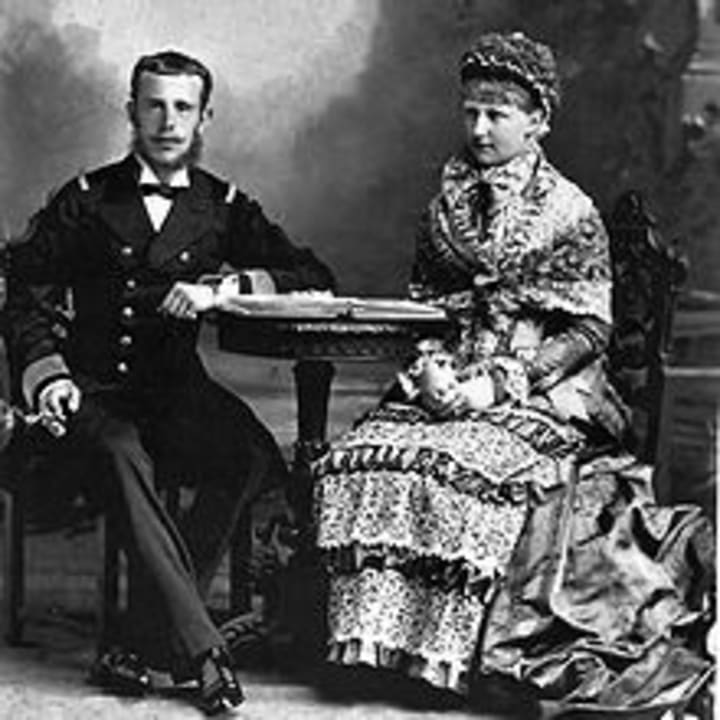
There is much confusion over the manner of the couple’s demise. Accounts of servants, doctors, family members, and friends differ. Some undoubtedly were told what to say to aid in the attempted coverup. At one point, the story was that the Crown Prince had taken poison, then that he had shot himself in the head.
Troubling details add to speculation that this might not have been a murder-suicide at all but an assassination. For instance, if Rudolf and Mary had planned to kill themselves in a grand romantic gesture, why did the Crown Prince bring a friend along on the trip who said they were to go hunting together the next day? Why would he have wanted Mary to be found naked?
The report of the deaths stated that Mary had been shot in the temple. Years later, when researchers exhumed and examined her remains, her skull showed signs of blunt trauma but no bullet wound. Could assassins have bludgeoned Mary and shot the Crown Prince?
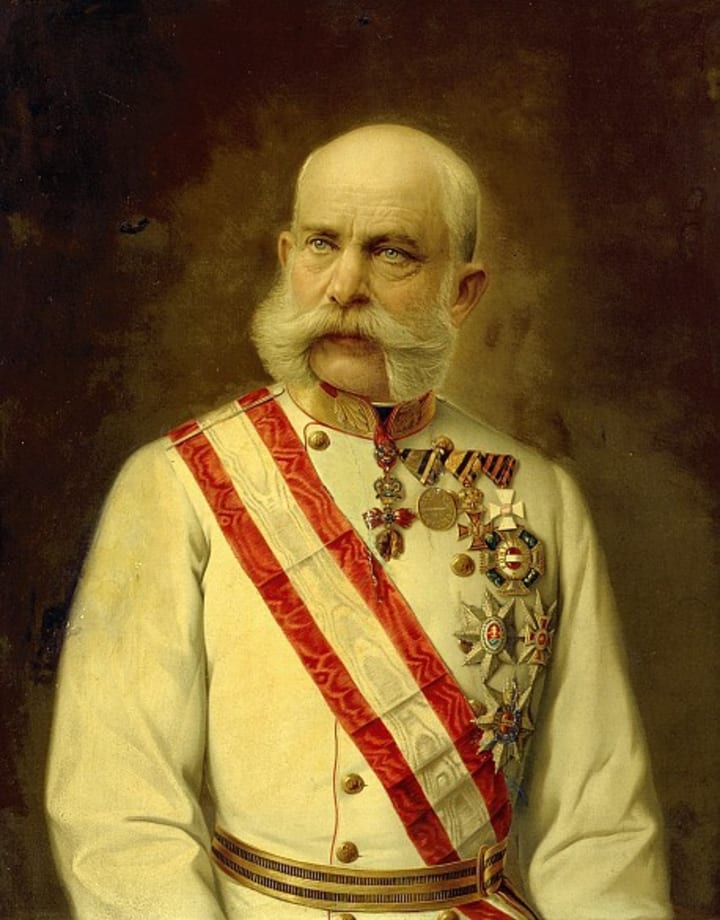
Given Rudolf’s liberal leanings and the fact that he and his father didn’t get along, perhaps the Emperor decided that his brother Archduke Karl Ludwig and nephew Archduke Franz Ferdinand would make better heirs than his own son.
Or, possibly someone else with an ax to grind with Rudolf took his life. There were many suspects among the husbands and fathers of the women he seduced. Other enemies could also be to blame. Political assassinations and attempts plagued Rudolf’s family.
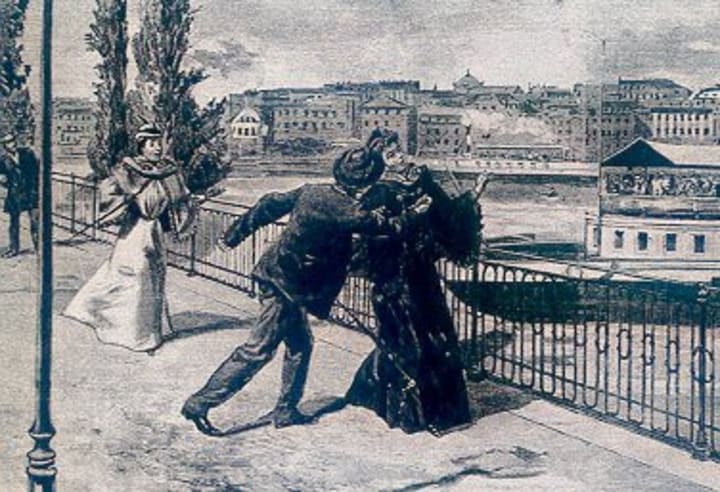
In 1853, Emperor Franz Joseph survived an attack by would-be Hungarian assassin János Libényi. Rudolf’s mother, Empress Elisabeth, was stabbed to death in 1898 by Italian anarchist Luigi Lucheni.
In 1914, Rudolf’s cousin and Franz Joseph’s heir Archduke Franz Ferdinand and his wife were shot to death by Gavrilo Princip, a Young Bosnia member. This particularly pivotal event is often cited as the spark that ignited World War I. It’s not implausible that someone may have also killed Rudolf for political reasons.
The mystery endures
Many point to the farewell letters as proof of Rudolf and Mary’s intentions, but it’s possible they were just clever forgeries. Emperor Franz Ferdinand never ordered an official investigation. Perhaps because he chose to believe that his son had taken his own life, or maybe, it was because the real story was something he wasn’t prepared to share with the world. We may never know for certain what happened to the Crown Prince and the Baroness or who was involved. Maybe that’s because we’re not supposed to.
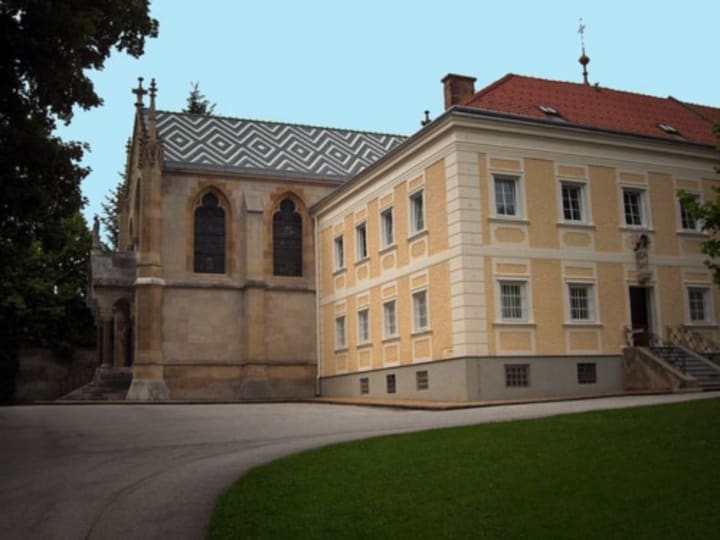
If you visit Mayerling today, you will see that the Emperor converted the hunting lodge into a monastery and built a church beside it. The monastery was settled by nuns of the Discalced Carmelite Order, who the Emperor charged with saying daily prayers for the repose of the soul of his son Crown Prince Rudolf. The nuns are still doing so today. Let’s hope they spare a few words for the Baroness, too.
About the Creator
Denise Shelton
Denise Shelton writes on a variety of topics and in several different genres. Frequent subjects include history, politics, and opinion. She gleefully writes poetry The New Yorker wouldn't dare publish.
Keep reading
More stories from Denise Shelton and writers in FYI and other communities.
Amazing Colorized Photos of Mata Hari Bring the Spy Vividly to Life
In the early morning hours of October 15, 1917, the world-famous woman known as Mata Hari was executed by a French firing squad, having been tried and convicted of espionage. There is much speculation among scholars as to whether or not she was guilty. Here, accompanied by vintage photos beautifully colorized by Russian artist Olga Shirnina (who works under the name of Klimbim) is her story.
By Denise Shelton5 years ago in FYI



Comments
There are no comments for this story
Be the first to respond and start the conversation.