
What Your Airplane Seat Says About You
The psychology behind aisle, window, middle, and business class preferences—and what they reveal about control, comfort, and personality at 30,000 feet.


Picking your seat on a plane isn’t just logistics—it’s psychology. People refresh seat maps like stock tickers, check SeatGuru obsessively, and even pay extra just to lock in a specific spot. Why? Because air travel strips away most of your control. Your schedule, your space, your comfort—it’s all dictated by the airline. Your seat becomes the one decision that’s truly yours.
Psychologist Jonathan Bricker, Ph.D., from the University of Washington, explains it simply: choosing your seat gives you a rare sense of control in an otherwise controlled environment. That matters more than people realize. Ask someone if they’re a window or aisle person, and they’ll answer instantly, like it’s part of their identity. According to Expedia customer data, about 55 percent prefer the window, while 45 percent choose the aisle. That split says something. So researchers, psychologists, and frequent flyers alike have examined what that decision reveals about personality, habits, and mindset.
If you’re an aisle person:
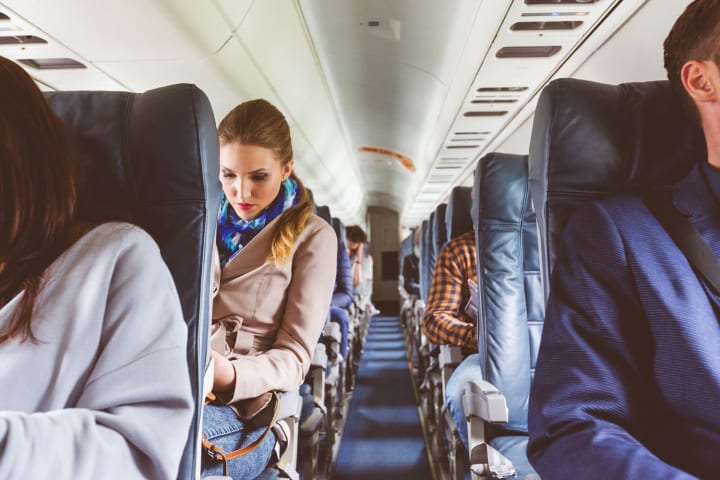
You prioritize freedom above all else. Sitting on the aisle means you’re never trapped. You can stand up, stretch, grab your bag, or use the restroom without negotiating with strangers. That independence matters. It reflects someone who wants flexibility and the ability to move on their own terms.
You also tend to lean introverted, or at least protective of your personal boundaries. Large, confined groups—especially on long flights—can feel mentally draining. The aisle provides psychological breathing room. It gives you a symbolic exit, even if you never use it.
Aisle-seat people often operate with a productivity mindset. You’re less interested in staring out the window and more likely to read, work, or stay mentally engaged. Business travelers overwhelmingly favor aisle seats for this reason—it supports efficiency, movement, and control.
There’s also a subtle power dynamic at play. Everyone in your row relies on you to get up when they need to move. You’re the gatekeeper. You’re the one interacting first with the flight attendant. You control access and set the tone for the shared space.
And in many cases, aisle-seat preference connects to comfort with openness. Even a few extra inches of perceived space can make a major psychological difference, especially for people sensitive to confinement.
If you’re a window person:
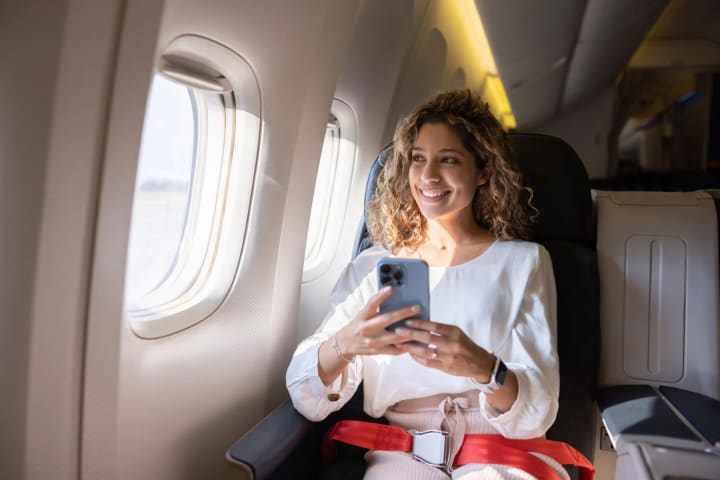
You value privacy and personal space. The window creates a barrier on one side, which instantly reduces interruptions. You don’t have to constantly shift for others, and you can exist within your own defined zone.
Window-seat people are natural nesters. You settle in. You lean against the wall, adjust your pillow, and build a temporary environment that feels secure and contained. It becomes your space—even if only for a few hours.
There’s also a strong imaginative component. Window-seat passengers tend to engage with the experience itself. Watching cities shrink, clouds form, and landscapes pass beneath you creates a sense of perspective. It allows your mind to wander beyond the immediate moment.
That mindset often connects to openness—people who enjoy observing, exploring, and thinking about what exists beyond their current surroundings. The window offers a connection to the larger world, even while confined inside a plane.
If you’re cool with the middle seat:
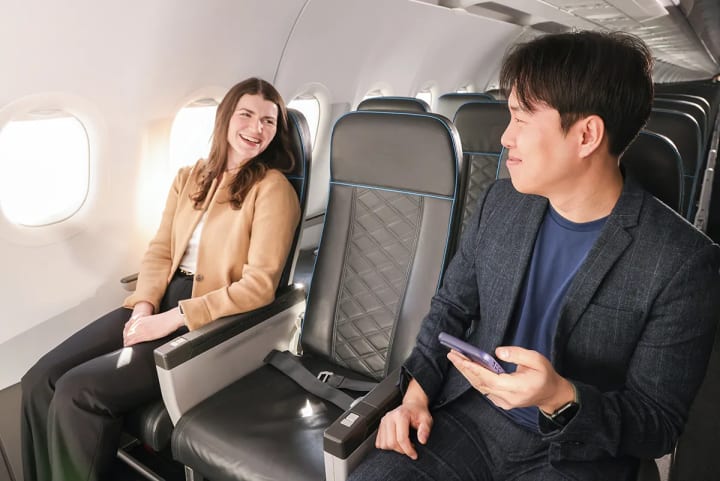
You’re more socially adaptable than most. Sitting between two strangers requires tolerance, flexibility, and a willingness to share limited space. Extroverted personalities tend to handle this best, because proximity doesn’t drain them the same way it might others.
There’s also an element of acceptance. Being okay with discomfort, lack of control, and temporary inconvenience reflects emotional resilience. You recognize that the situation is temporary, and you don’t waste energy fighting it.
In many cases, middle-seat passengers are also considerate. People often volunteer for the middle seat to help friends or partners stay together. That willingness reflects a cooperative mindset.
At the same time, middle seats sometimes go to whoever didn’t plan ahead. Frequent middle-seat flyers may simply be reacting rather than controlling the situation—booking late, choosing randomly, or prioritizing convenience over optimization.
If you only do business class:
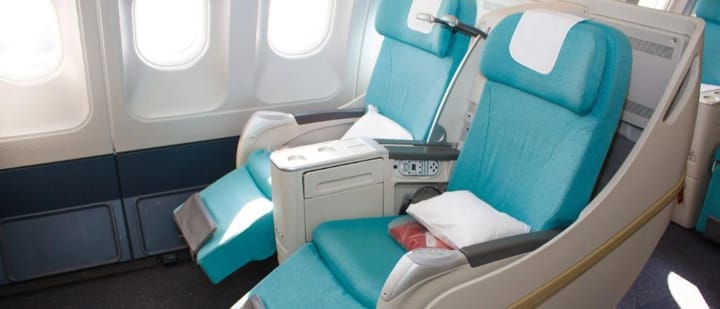
You prioritize control, efficiency, and comfort simultaneously. Business class removes the compromises that economy forces. You don’t have to choose between space, privacy, or freedom—you get all three.
This preference often reflects someone who values time at a premium level. Faster boarding, quicker exit, better rest, and fewer logistical obstacles all translate into efficiency. You’re buying convenience as much as comfort.
There’s also a psychological element tied to identity. Business class signals status, success, and access. For some, it reinforces a sense of achievement or professional positioning.
And yes, financial resources play a role. Whether through income, employer benefits, or travel rewards, business-class passengers have access to options others may not. That access changes expectations—and once people experience that level of comfort, it often becomes the new baseline.
In the end, your seat choice isn’t random. It reflects how you approach control, comfort, privacy, and interaction. Aisle people protect their freedom. Window people protect their space. Middle-seat people adapt. Business-class people eliminate compromise entirely.
It’s a small decision—but it reveals more than most people realize.
About the Creator
Lawrence Lease
Alaska born and bred, Washington DC is my home. I'm also a freelance writer. Love politics and history.
Keep reading
More stories from Lawrence Lease and writers in FYI and other communities.
Europe Thinks it Can’t Deter Russia Without America. It’s Already Doing So
Europe is in trouble. For decades, the United States has been Europe’s primary security guarantor. That arrangement now looks increasingly fragile. Political crises are pulling the two sides of the Atlantic apart, placing at risk the security framework Europe has relied on since the end of the Second World War.
By Lawrence Lease15 days ago in FYI
Area 51 Secrets the CIA Doesn’t Want You to Know
For decades, Area 51 has been the source of endless rumors, conspiracy theories, and late-night internet debates. The top-secret military base in Nevada has long been associated with aliens, UFOs, and government cover-ups, but what if the real secrets go far beyond what we’ve imagined?
By Areeba Umair4 days ago in FYI
The Pride Flag and the Diversion
For nearly a decade, the LGBTQIA Pride Flag rippled in the wind at Christopher Park, a kaleidoscope of color staked into the soil of America’s first national monument to LGBTQIA+ liberation. That flag came down this week. Federal officials, citing new guidance from the Trump Administration, silently lowered the rainbow flag from its pole across the street from the Stonewall Inn. The birthplace of the modern gay rights movement now flies only the United States flag.
By Tim Carmichael5 days ago in Pride



Comments (1)
This should be a "top article."