
Why a Zombie Apocalypse Would Fail Before It Even Starts
5 Reasons Humanity Would Outlast the Undead

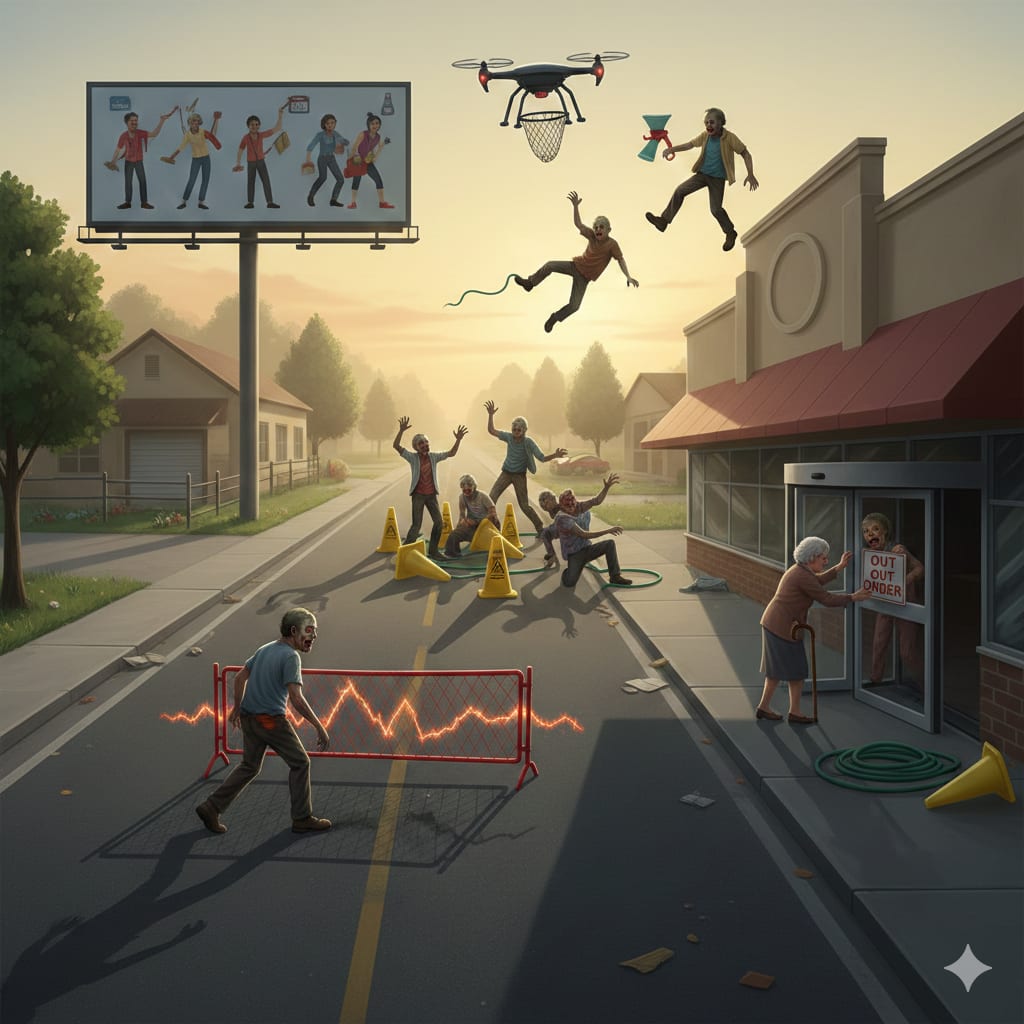
Zombies, the living dead, the stuff of our nightmares, and the stars of countless movies, TV shows, and comic books. Their insatiable hunger for brains has kept pop culture obsessed for decades. From late-night horror marathons to video games, walking corpses have captured our imagination. But for all the hype, let’s face it: a full-blown zombie apocalypse would probably fail before it even got started. Here’s why.
1. Decomposition: Nature’s Way of Taking Out Zombies
Let’s start with the obvious. Zombies are corpses, and corpses decay over time. Sure, in the movies, they’re terrifyingly relentless, but in reality, putrefaction would take its toll.
Even if a zombie apocalypse kicks off and our deceased relatives start knocking on doors, rotting limbs and decaying bodies would soon render them immobile. Within months, the walking dead would slow down significantly, and survival wouldn’t require the acrobatics we see in Hollywood. Motor functions would fail long before zombies could chase down humans for long periods. So, as horrifying as it sounds, time is on our side.
2. Disease Control: Humanity Has the Advantage
The zombie virus spreads via bites, but consider this: modern medicine and disease prevention are more advanced than ever. Vaccines, antibiotics, and global health organizations like the CDC and WHO ensure that outbreaks are contained before they become catastrophic.
We live in an age where information is instant, and people know how diseases spread. The odds of unknowingly allowing a zombie bite to turn us into one of the undead? Extremely low. Humanity has eradicated smallpox, controlled rabies, and knows how to isolate threats. Simply put, if we can survive a flu pandemic, we can survive a zombie outbreak.
3. Climate and the Elements: Nature Fights Back
Zombies might be scary, but the elements are scarier for the undead. A living, healthy human struggles with heatwaves or freezing winters. Imagine a rotting, decaying corpse trying to survive.
Extreme heat would turn zombies into desiccated jerky, while freezing conditions would shatter limbs like fragile porcelain. On top of that, nature itself would chip in: predators like lions, wolves, or even bears would likely thin zombie hordes quickly. Mother Nature doesn’t negotiate with the undead; it obliterates them.
4. Hollywood Has Prepared Us
Hollywood isn’t just entertaining us, it’s practically training us for a zombie apocalypse. From classic survival guides to zombie-killing tutorials, we’ve been taught the essentials:
- Where to take shelter (a well-stocked mall works wonders).
- How to defend yourself (a baseball bat to the head still works).
- What to stock up on (food, water, and essentials).
Movies and shows might exaggerate, but they’ve given humanity a head start. Most of us would survive the first wave without breaking a sweat, armed with pop-culture wisdom and a little common sense.
5. Military Might: Humanity’s Secret Weapon
Finally, let’s talk about the military. Modern troops aren’t just trained, they’re equipped with state-of-the-art gear, tanks, drones, and protective armor. Zombies don’t stand a chance against bulletproof vests, Kevlar, or airstrikes.
A real zombie apocalypse? It would be over in days, not months. Military strategy and advanced technology give humans an overwhelming advantage that even the most relentless zombie horde couldn’t overcome.
The Bottom Line
As much as we love imagining hordes of undead wandering the streets, reality is on humanity’s side. From natural decay and disease control to military power and climate, there are multiple factors ensuring that a zombie apocalypse would likely fail before it even starts.
So, rest easy, the end of civilization at the hands of zombies is mostly a thrill for our imagination, not a genuine threat.
About the Creator
Areeba Umair
Writing stories that blend fiction and history, exploring the past with a touch of imagination.
Keep reading
More stories from Areeba Umair and writers in FYI and other communities.
10 Fake Foods in China You Absolutely Need to Watch Out For
China is famous for its delicious cuisine, vibrant street markets, and mouthwatering regional specialties. From sizzling street food to authentic restaurant dishes, the culinary experiences are unforgettable. But while exploring, travelers and even locals need to stay vigilant. China is also infamous for fake products, and sadly, that includes food.
By Areeba Umairabout 12 hours ago in FYI
Diaries to Nietzsche
Quotation from Friedrich Nietzsche "He who wrestles long with monsters should beware lest he himself become a monster. And if you gaze long into an abyss, the abyss also gazes into you. Man is not destroyed by suffering, but by the meaning he makes of it."
By LUCCIAN LAYTH2 days ago in Critique




Comments
There are no comments for this story
Be the first to respond and start the conversation.