
Mastering Chess Puzzles: Smart Hints and Clear Solutions to Improve Your Game
How understanding chess hints and solutions can sharpen your strategy, calculation, and confidence on the board
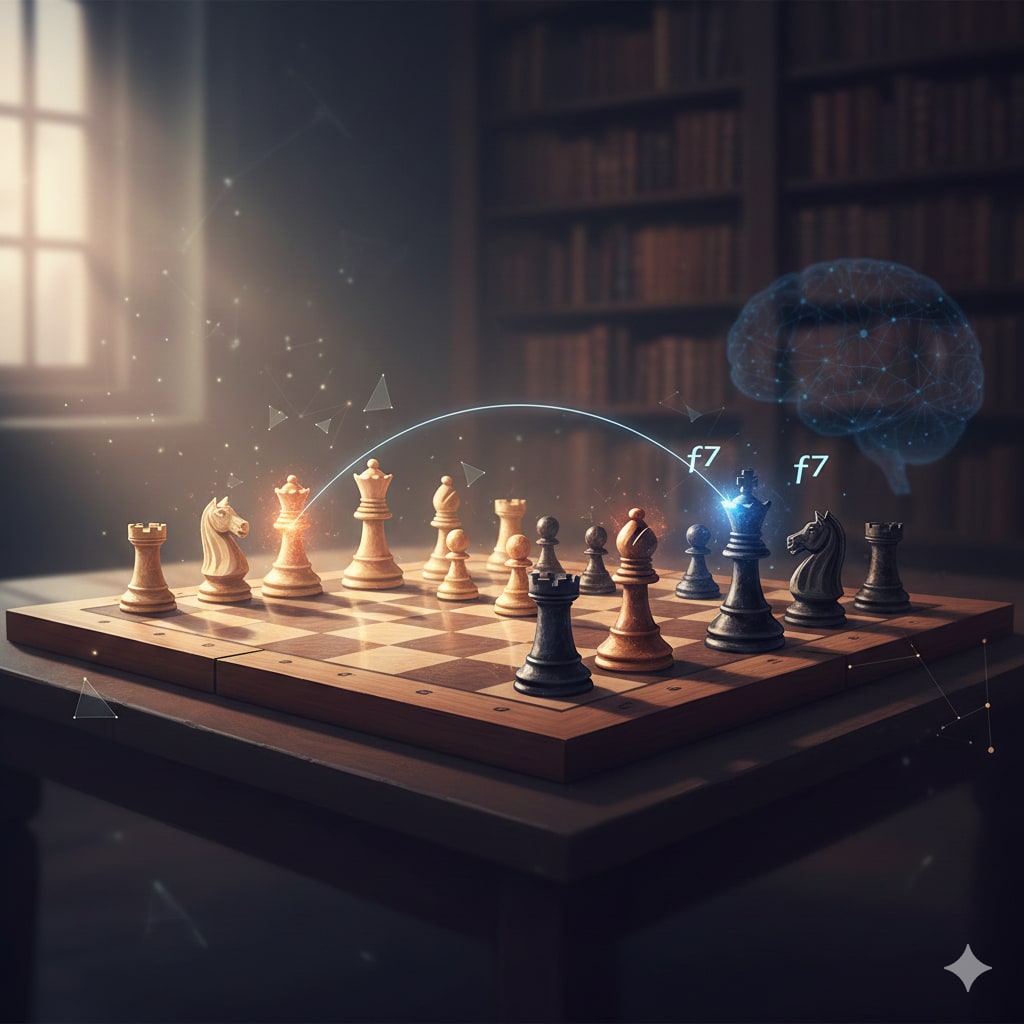
Chess is often described as a game of infinite depth. At first glance, it may seem simple—just sixty-four squares and sixteen pieces on each side—but beneath the surface lies a complex world of tactics, strategy, psychology, and patience. One of the most effective and widely used methods for improving chess skills is solving chess puzzles, especially those that come with well-designed hints and detailed solutions.
A chess puzzle usually presents a specific position and challenges the player to find the best move or sequence of moves. This could involve checkmate, winning material, defending a critical position, or finding a drawing resource. What makes these puzzles especially valuable is the learning process that happens between reading the hint and understanding the solution.
The Purpose of Chess Hints
A chess hint acts as a compass rather than a map. It does not give away the answer but points the player in the right direction. Good hints encourage logical thinking and structured analysis. For example, a hint may say, “Look for a forcing move,” or “Pay attention to the exposed king.” These subtle clues guide the player to focus on critical elements of the position without removing the challenge.
Hints are essential because they prevent frustration while still promoting independent thinking. Without hints, beginners may feel lost, while with full solutions, learning becomes passive. A hint strikes the perfect balance—it teaches players how to think, not just what to play.
Through repeated exposure to hints, players begin to recognize patterns naturally. They start scanning the board for checks, captures, threats, weak squares, and piece coordination. Over time, this improves intuition and speeds up decision-making during real games.
Why Chess Solutions Matter
Once a player has attempted the puzzle, the solution becomes the most important learning tool. A high-quality chess solution does more than show the correct move—it explains the reasoning behind it. It answers critical questions such as:
Why is this move stronger than the alternatives?
What is the opponent’s best defense?
What tactical or strategic idea makes this move work?
Chess solutions often reveal hidden ideas that players initially overlook, such as sacrifices, deflections, discovered attacks, or quiet moves that change the evaluation of the position. These explanations help players understand that chess is not only about immediate gains but also about long-term consequences.
For example, a solution may demonstrate that sacrificing a rook opens a file leading to an unavoidable checkmate. This teaches an important lesson: material is not always the most valuable asset—initiative and king safety often matter more.
Improving Calculation and Discipline
Studying chess solutions also improves calculation discipline. Players learn how many moves ahead they need to think and how to evaluate resulting positions. Instead of guessing, they begin calculating variations methodically, considering both their own ideas and the opponent’s responses.
This habit is crucial during actual games, where time pressure and emotions can lead to mistakes. Players who regularly study puzzle solutions tend to remain calmer, more accurate, and more confident under pressure.
Benefits for All Skill Levels
Chess hints and solutions benefit players at every stage of their journey:
Beginners learn basic tactics, checkmate patterns, and piece coordination.
Intermediate players refine attacking techniques, defense, and positional understanding.
Advanced players sharpen precision, reduce errors, and reinforce deep strategic concepts.
No matter the level, puzzles encourage active learning. Each mistake becomes a lesson, and each correct solution reinforces good habits.
How to Use Chess Puzzles Effectively
To gain maximum benefit, players should avoid rushing. First, study the position carefully. Then read the hint and try to solve the puzzle independently. Only after making a genuine effort should the solution be reviewed. When studying the solution, it is important to understand not just the winning move but also why other moves fail.
Asking reflective questions—What did I miss? Why didn’t I consider this idea?—helps turn short-term success into long-term improvement.
Conclusion
Chess puzzles, along with thoughtful hints and well-explained solutions, are among the most powerful learning tools available to players. They sharpen tactical vision, strengthen calculation skills, and build confidence over time. More importantly, they teach players how to think like a strategist rather than a guesser.
In chess, improvement does not come from playing random games alone—it comes from understanding ideas, recognizing patterns, and learning from mistakes. Every puzzle solved is a step toward clearer thinking and stronger play. With consistent practice and careful study of hints and solutions, any player can elevate their game and truly appreciate the depth and beauty of chess.
About the Creator
shakir hamid
A passionate writer sharing well-researched true stories, real-life events, and thought-provoking content. My work focuses on clarity, depth, and storytelling that keeps readers informed and engaged.
Keep reading
More stories from shakir hamid and writers in Gamers and other communities.
Beyond the Screen: The Legend of the Lost Server
For many gamers, video games are not just entertainment—they are entire worlds, rich with friendships, rivalries, and memories that feel as real as life itself. Few stories capture this better than the legend of the “Lost Server,” a true tale from the early days of online multiplayer gaming that shows how digital spaces can create bonds stronger than reality.
By shakir hamid4 months ago in Gamers
How Experience Shapes Leadership in Women’s Lacrosse
Leadership in women’s lacrosse is rarely about a single season or a single win. Programs that succeed year after year tend to be guided by coaches with extensive experience navigating roster turnover, shifting expectations, and the evolving demands of college athletics. Over time, those coaches develop systems that balance competitiveness with long-term stability and player development.
By CEO A&S Developersabout 4 hours ago in Gamers
u4gm Where to Find and Beat Blackjaw in PoE 2
You don’t mark him on a checklist or plan your build around him. You meet him the way Path of Exile 2 loves to introduce its best encounters: by surprise. You’re exploring Jiquani’s Machinarium, dipping into the Oubliette a little earlier than you probably should, flasks half-drained, confidence slightly higher than your actual Exalted Orb buy safety margin. Then suddenly, Blackjaw, The Remnant is there, and the game quietly asks whether you actually understand movement yet.
By Asik Gxbx Hdjdh7 days ago in Gamers



Comments
There are no comments for this story
Be the first to respond and start the conversation.