
The Impact of Gaming on Cognitive Skills
In recent years, video games have evolved from simple entertainment to a powerful tool for cognitive development. While gaming has often been criticized for its potential negative effects, a growing body of research suggests that playing video games can actually enhance various cognitive skills. In this article, we explore how gaming influences critical thinking, problem-solving, and other cognitive abilities.
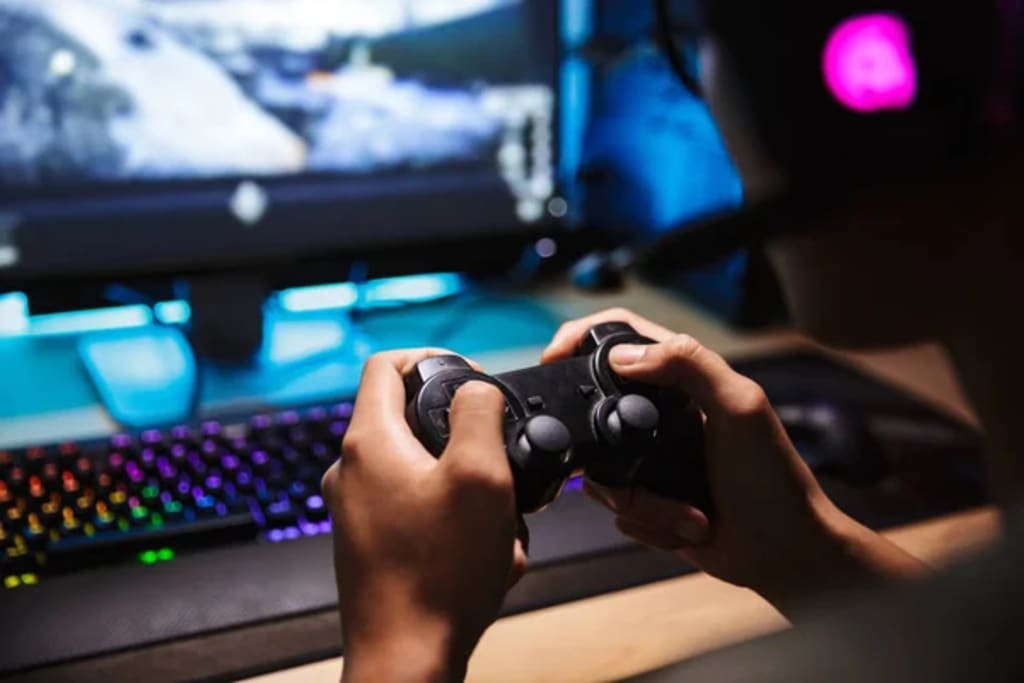
1. Improved Problem-Solving Skills
Many video games, particularly puzzle and strategy games, require players to think critically and develop effective strategies to overcome challenges. For instance, games like Portal and The Legend of Zelda series encourage players to solve complex puzzles, enhancing their problem-solving skills and promoting logical thinking. These games often present players with situations that require them to think several steps ahead, consider multiple variables, and devise innovative solutions.
In Portal, players must use a gun that creates interconnected portals on walls and floors to navigate through intricate levels filled with obstacles. This requires not only a deep understanding of the game's physics but also creative thinking to solve puzzles. Similarly, The Legend of Zelda series frequently challenges players with environmental puzzles that require keen observation and strategic planning to progress.
2. Enhanced Memory and Learning
Action games, such as Call of Duty and Fortnite, can improve players' working memory. These games often require players to remember multiple objectives, track opponents, and adapt to rapidly changing situations. Research has shown that gamers often exhibit better short-term memory performance compared to non-gamers, which can translate to improved learning capabilities in real-world situations.
A study conducted by the University of California, Irvine, found that playing 3D video games can boost the formation of memories by creating richer, more complex environments that stimulate the brain. This enhanced memory formation can benefit students and professionals who need to retain large amounts of information. Additionally, certain games that require players to remember and navigate complex maps or storylines can further enhance their memory retention and recall abilities.
3. Increased Spatial Awareness
Many games, particularly 3D adventure and simulation games, require players to navigate complex environments and make quick decisions based on spatial awareness. Studies have indicated that regular gamers tend to have better spatial skills, which can be beneficial in fields such as architecture, engineering, and even surgery.
Games like Minecraft and SimCity demand that players build and manage intricate structures and cities, which enhances their spatial reasoning and planning skills. In Minecraft, players use blocks to create elaborate structures, which requires an understanding of spatial relationships and geometry. Similarly, in SimCity, players must design and manage a city, considering spatial distribution and urban planning principles.
4. Collaboration and Communication Skills
Multiplayer games, such as Overwatch and Among Us, necessitate teamwork and effective communication among players. These games teach players how to collaborate, delegate tasks, and strategize with others. Such skills are increasingly valuable in the workplace, where teamwork and communication are essential for success.
In Overwatch, players must work together in teams to achieve objectives, coordinating their actions and communicating strategies in real-time. This fosters a sense of camaraderie and teaches players how to communicate effectively under pressure. Among Us takes a different approach, requiring players to use deduction and persuasive communication to identify impostors among the group, highlighting the importance of clear communication and teamwork.
5. Stress Relief and Mental Health Benefits
In addition to cognitive benefits, gaming can also serve as a form of stress relief. Engaging in a fun and immersive gaming experience can provide an escape from everyday stressors, contributing to improved mental health. Some games are designed to promote relaxation and mindfulness, further supporting players' emotional well-being.
Games like Stardew Valley and Animal Crossing: New Horizons offer relaxing, low-stress environments where players can engage in activities like farming, fishing, and building communities. These games provide a sense of accomplishment and satisfaction without the high stakes or intense competition found in other genres, making them ideal for stress relief. Moreover, the social aspect of gaming, particularly in multiplayer environments, can help alleviate feelings of loneliness and isolation, providing a sense of community and support.
6. Developing Perseverance and Resilience
Video games often present players with difficult challenges that require perseverance and resilience to overcome. Players learn to cope with failure and develop a growth mindset, understanding that success comes through practice and persistence. This can translate to real-life situations, where resilience is crucial for overcoming obstacles and achieving goals.
In games like Dark Souls and Sekiro: Shadows Die Twice, players face extremely challenging gameplay that requires patience and repeated attempts to master. The difficulty of these games teaches players the value of perseverance and the importance of learning from mistakes. This mindset can be incredibly beneficial in real-life scenarios, where individuals are often required to overcome setbacks and continue striving towards their goals.
7. Improved Multitasking Abilities
Fast-paced games, such as real-time strategy (RTS) games and multiplayer online battle arenas (MOBAs), require players to manage multiple tasks simultaneously. Players must keep track of various in-game elements, make quick decisions, and execute complex strategies in real-time. This enhances their multitasking abilities and decision-making skills.
Games like StarCraft II and League of Legends demand that players constantly monitor their resources, units, and opponents while planning and executing strategies. This level of multitasking hones players' ability to process and respond to multiple stimuli efficiently. The skills developed through such games can be applicable in various professional and personal contexts, where effective multitasking and quick decision-making are valuable assets.
Conclusion
While concerns about the negative effects of gaming are valid, it's essential to recognize the cognitive benefits that video games can provide. From enhancing problem-solving skills to improving memory and fostering collaboration, gaming has the potential to develop valuable cognitive abilities. As the gaming industry continues to grow and evolve, embracing the positive aspects of gaming may lead to new opportunities for learning and personal development.
The next time you pick up a controller or sit down at your computer to play a game, remember that you might be doing more than just having fun—you could be boosting your brainpower as well. Whether it's through solving complex puzzles, navigating virtual environments, or collaborating with teammates, gaming offers a dynamic and engaging way to enhance cognitive skills and prepare for the challenges of the real world.
About the Creator
Keep reading
More stories from writers in Gamers and other communities.
‘I Belong to Saudi Arabia’ – Ronaldo Committed to Al-Nassr
Football icon Cristiano Ronaldo has declared his long-term commitment to Al‑Nassr, stating, “I belong to Saudi Arabia,” in a powerful affirmation of loyalty that signals his intention to continue shaping the future of football in the kingdom. Speaking after a decisive league victory, Ronaldo addressed growing speculation about a possible return to Europe or a move to another global league. Instead, the five-time Ballon d’Or winner made it clear that his focus remains firmly with Al-Nassr and the Saudi football project he has helped elevate onto the world stage. “I feel at home here,” Ronaldo said. “This club gave me trust, and Saudi Arabia gave me a new challenge. I belong to Saudi Arabia now, and I want to build something special with Al-Nassr.” A New Chapter of Legacy Since arriving in Riyadh, Ronaldo has transformed not only Al-Nassr’s profile but also the international perception of the Saudi Pro League. His presence has attracted worldwide media attention, new sponsorships, and a wave of elite players who followed him into the league. Club officials credit Ronaldo with raising professional standards both on and off the pitch. Training intensity, fan engagement, and commercial visibility have all increased significantly since his signing. “Cristiano changed everything,” said an Al-Nassr executive. “He didn’t come here to retire. He came to compete and to lead.” Ronaldo has continued to deliver on the field, scoring consistently and guiding younger teammates through his relentless discipline and experience. More Than Football Ronaldo’s statement goes beyond sporting commitment. He has repeatedly praised Saudi Arabia’s culture, hospitality, and ambition to grow football as part of its wider national development plans. In interviews, he has spoken positively about life in Riyadh, describing it as safe, welcoming, and family-oriented. His children now attend school in the city, and he has become a familiar public figure beyond the stadium. “People here respect me and my family,” Ronaldo said. “That matters more than trophies.” His message aligns with Saudi Arabia’s broader strategy to position itself as a major destination for global sport, hosting high-profile football matches, boxing events, and motorsport competitions. Silencing Transfer Rumors Recent months saw rumors linking Ronaldo to clubs in Europe and North America, with speculation that he might seek one last Champions League run. His declaration effectively shuts down those stories, at least for the foreseeable future. Football analysts believe Ronaldo’s commitment offers stability to Al-Nassr and strengthens the Saudi league’s credibility. “Ronaldo staying sends a message to the football world,” said sports analyst Marco Silva. “It shows that Saudi football is not a temporary stop but a serious long-term project.” Mentor and Leader Inside the dressing room, Ronaldo has taken on a mentorship role, particularly with young Saudi players. Coaches say his influence is visible in their professionalism and confidence. One teammate noted, “He pushes everyone. If you arrive late, he notices. If you train badly, he challenges you. He makes us better.” This leadership has helped Al-Nassr remain competitive domestically and in regional tournaments, even as expectations continue to rise. Looking to the Future Ronaldo has hinted that his future plans may extend beyond playing. He has expressed interest in football development and possible ambassadorial roles within Saudi sports structures once his career ends. “I want to help grow football here,” he said. “Not only for today, but for the next generation.” For Al-Nassr supporters, his commitment brings renewed optimism. Fans filled the stadium chanting his name after the match, waving banners that read, “Our legend, our future.” A Defining Statement Ronaldo’s declaration, “I belong to Saudi Arabia,” marks a defining moment in his late-career journey. Once seen as a controversial move, his transfer to Al-Nassr now appears central to his evolving legacy — not just as a footballer, but as a global sporting figure shaping new frontiers. As the season continues, Ronaldo’s message is clear: his story with Al-Nassr is far from over.
By Fiaz Ahmed a day ago in Gamers




Comments
There are no comments for this story
Be the first to respond and start the conversation.