
What The Blood of Dawnwalker Teaches About Leadership and Responsibility
The Blood of Dawnwalker 2026

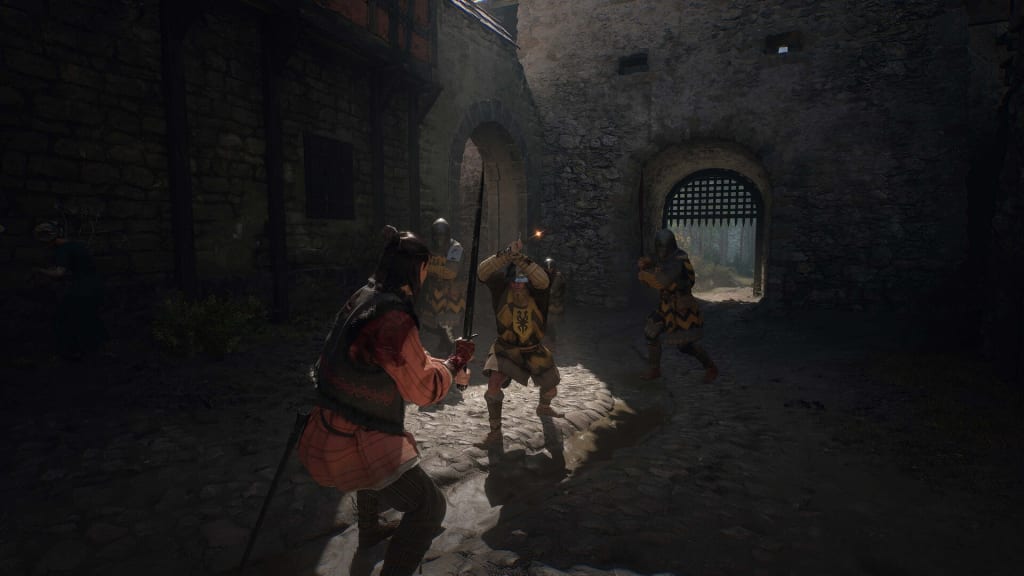
The Blood of Dawnwalker is a compelling story—whether in a game, novel, or fantasy lore—that has captured the imagination of fans worldwide. At its core, it is a tale of courage, moral choice, and the weight of leadership. Beyond its thrilling plot and striking imagery, the story offers meaningful lessons about responsibility, ethics, and decision-making, making it not only entertaining but also insightful for readers and players seeking deeper understanding of leadership principles.
This article explores the key lessons The Blood of Dawnwalker provides, highlighting how it encourages reflection on personal responsibility, ethical choices, and leading with integrity.
Understanding Leadership Through the Dawnwalker
Leadership in The Blood of Dawnwalker is portrayed as more than authority or power—it is a responsibility that carries consequences for oneself and others. The central figure, the Dawnwalker, is often faced with morally complex situations that test character, patience, and wisdom.
Key leadership qualities depicted in the story include:
Courage under pressure – The Dawnwalker must make difficult decisions, often in life-or-death situations, modeling bravery beyond physical strength.
Empathy and foresight – Understanding the needs and fears of followers is essential, emphasizing that leadership is not self-serving but service-driven.
Accountability – Every choice has consequences, teaching readers that leaders must take responsibility for both successes and failures.
By observing how the Dawnwalker navigates challenges, audiences learn that leadership is inseparable from responsibility—it is an active, morally grounded role rather than a title or status.
Ethical Decision-Making in High-Stakes Situations
The Blood of Dawnwalker frequently places its characters in scenarios requiring ethical deliberation. These moments teach readers or players important lessons:
Weighing the greater good – Decisions often involve balancing individual desires with collective welfare, a core principle of ethical leadership.
Avoiding impulsive action – Hasty choices can lead to unintended consequences, highlighting the value of reflection and strategic planning.
Integrity under temptation – Characters may face personal gain or shortcuts that conflict with moral principles, reinforcing that true leadership prioritizes ethics over convenience.
These lessons are particularly valuable for audiences looking to understand the practical and moral responsibilities of leading others, whether in fictional or real-world contexts.
Responsibility Beyond the Individual
In addition to ethical decision-making, The Blood of Dawnwalker emphasizes that responsibility extends beyond oneself. The Dawnwalker’s actions affect entire communities, allies, and the future of their world.
Community-focused choices – Leaders must consider the long-term implications of their actions for the wellbeing of others.
Mentorship and guidance – Leadership involves teaching and supporting others to grow, not just directing them.
Legacy and consequences – Decisions resonate beyond immediate outcomes, demonstrating that responsibility is enduring and multifaceted.
These lessons underscore the importance of seeing leadership as a stewardship role, where accountability to others is central.
Applying Dawnwalker Lessons in Real Life
While The Blood of Dawnwalker is fictional, its teachings are highly applicable in real-world contexts:
Professional Leadership – Managers and team leaders can learn from the Dawnwalker’s empathy, foresight, and ethical decision-making.
Community Responsibility – Engaging in community work or collaborative projects benefits from prioritizing collective well-being, as modeled in the story.
Personal Development – Individuals can apply the story’s principles by reflecting on how their choices affect others and striving for integrity in their actions.
By drawing these parallels, audiences can gain practical insights on leading responsibly while maintaining ethical standards.
Challenges in Leadership Depicted in the Story
The Blood of Dawnwalker does not shy away from depicting the difficulties of leadership:
Moral ambiguity – Not all choices have clear right or wrong answers, teaching leaders to navigate complexity thoughtfully.
High stakes and pressure – Leaders must perform under stress while maintaining ethical principles.
Sacrifice and personal cost – True responsibility often requires putting others’ needs above personal comfort or safety.
These elements help audiences understand that effective leadership is challenging, demanding both courage and moral clarity.
The Broader Message
At its heart, The Blood of Dawnwalker is about the intersection of power, ethics, and accountability. It reminds us that leadership is not simply about authority but about serving others responsibly, making morally grounded choices, and understanding the weight of consequences.
This message is particularly relevant today, as modern audiences seek examples of ethical leadership and personal responsibility in literature, games, and media.
Conclusion
The Blood of Dawnwalker offers more than an engaging narrative; it provides timeless lessons about leadership and responsibility. Through its depiction of moral dilemmas, high-stakes decisions, and the consequences of action, it teaches audiences:
Courage and foresight are essential for leaders.
Ethical decision-making is crucial, even under pressure.
True responsibility extends beyond the self, encompassing community and legacy.
Whether you are a reader, gamer, or aspiring leader, reflecting on the principles demonstrated by the Dawnwalker can inspire thoughtful, ethical, and effective leadership in real life.
By learning from these fictional scenarios, audiences gain insight into how integrity, responsibility, and courage define true leadership—lessons that resonate far beyond the world of fantasy.
______________________
What Here Allah Is Saying:
O humanity! What has emboldened you against your Lord, the Most Generous,
Who created you, fashioned you, and perfected your design,
moulding you in whatever form He willed?
But no! In fact, you deny the ˹final˺ Judgment,
About the Creator
Keep reading
More stories from Games Mode On and writers in Gamers and other communities.
Pathologic 3 Signals the Return of Ice-Pick Lodge
The announcement of Pathologic 3 marks the return of Ice-Pick Lodge, the Russian studio renowned for creating psychologically intense and morally challenging games. Known for its unique narrative style and immersive storytelling, the Pathologic series has long captivated players who appreciate thought-provoking experiences. With an official release date of January 9, 2026, anticipation for the next installment is already building among fans and new players alike.
By Games Mode On24 days ago in Gamers
U4gm Call of Duty: Black Ops 7 Season 2 Brings Back Safeguard
Call of Duty fans, get ready. One of the most iconic multiplayer modes in Black Ops history is officially making a comeback in Call of Duty: Black Ops 7 Season 2. That’s right—Safeguard is returning, bringing a mix of high-intensity action, teamwork, and strategy that fans have been asking for years.
By Billo Nali3 days ago in Gamers
Beyond the Pixel The Golden Age of Spain Gaming Revolution in 2026
The global gaming map has traditionally been dominated by the giants of Silicon Valley, the meticulous studios of Japan, and the creative powerhouses of Northern Europe. However, as we move through 2026, a new contender has firmly established its seat at the high table: Spain. What was once seen as a secondary market, primarily known for its passionate players rather than its creators, has transformed into a critical hub for game development, esports innovation, and cloud-based gaming infrastructure. The Spanish gaming industry has transcended its "emerging" status, now contributing billions to the national GDP and employing over 100,000 highly skilled workers across a decentralized network of studios that stretch from the sun-drenched coast of Malaga to the creative heart of Barcelona.
By Neeraj kumar5 days ago in Gamers



Comments
There are no comments for this story
Be the first to respond and start the conversation.