
Wreckfest 2 Crash and Destruction Mechanics / Damage System Explained.
Component-Specific Damage – Engine, Tires, and Suspension


Wreckfest 2 is a 2025 racing video game developed by Bugbear Entertainment and published by THQ Nordic. It serves as the highly anticipated sequel to the original Wreckfest, building on the franchise’s focus on destructive racing and vehicular chaos. The game was initially released through Steam’s Early Access program on March 20, 2025, for Microsoft Windows, while release dates for PlayStation 5 and Xbox Series X/S have yet to be announced. Built on the ROMU Engine, Wreckfest 2 combines racing and action elements to create a high-octane, destruction-focused experience. The game is available on Microsoft Windows and GeForce Now, appealing to players who enjoy both fast-paced competition and immersive vehicle physics.
One of Wreckfest 2’s defining features is its sophisticated crash and destruction mechanics. Unlike traditional racing games that primarily focus on speed, this title places vehicle damage and collisions at the core of gameplay. Every crash, collision, or impact has tangible consequences that affect both the car’s performance and the race outcome. Panels dent, fenders crumple, hoods pop open or tear off, glass shatters, and debris scatters across the track, creating a realistic and chaotic racing environment. Damage is not merely cosmetic — it alters vehicle handling, acceleration, traction, and stability, making careful driving and strategy essential for success.
The destructibility extends to individual components such as the engine, suspension, tires, chassis, and body panels. Heavy collisions can crumple metal, tear off parts, or stress the suspension and tires, which affects the car’s performance throughout the race. Over time, weight distribution shifts, steering becomes less predictable, and control degrades, emphasizing the need for skillful maneuvering and strategic risk management. The game offers multiple damage settings, from “normal” mode, which is forgiving, to “realistic” mode, where even minor collisions can result in severe damage, mechanical failures, or a complete race-ending breakdown.
Environmental and surface physics also play a significant role in Wreckfest 2’s damage system. Tracks feature diverse materials, including dirt, gravel, sand, and asphalt, each influencing tire grip and collision outcomes. A crash on sand may cause sliding and loss of control, while asphalt impacts can lead to high-speed collisions with more destructive results. Collisions with fixed objects such as walls, guardrails, and trees behave realistically, often resulting in panel loss or engine stalling if the impact is severe. These mechanics make every race dynamic and unpredictable, rewarding players who can anticipate hazards and adapt quickly.
The game also emphasizes strategy and risk management. Aggressive driving can lead to spectacular crashes and dramatic victories, but it carries the risk of permanent damage or vehicle failure. Multi-car pileups can escalate quickly, affecting not only the player but also surrounding competitors. Players must balance aggression with careful driving, considering the track type, vehicle condition, and opponent behavior to maximize their chances of success.
Recent updates have further refined the system. Collisions now more consistently match visual damage, component-specific damage behaves more reliably, and vehicles respond more believably under load or after impacts. Panel loss occurs realistically when damage thresholds are reached, and suspension and tire degradation now directly influence vehicle handling. These improvements enhance both realism and immersion, ensuring that every crash feels authentic and consequential.
Wreckfest 2’s combination of racing, destruction, and strategy delivers a thrilling and unpredictable experience. Whether navigating tight derby arenas, launching off jumps, or colliding with opponents on high-speed tracks, every race is intense and engaging. Victories feel earned, wipeouts satisfy in their chaos, and the evolving world keeps players coming back for more. The game also offers opportunities for experimentation, allowing players to test different cars, setups, and tuning options to discover the most effective strategies for both solo and multiplayer challenges.
In summary, Wreckfest 2 is not just a racing game but a dynamic demolition experience where vehicle damage and crash mechanics define the gameplay. Developed by Bugbear Entertainment and published by THQ Nordic, it leverages advanced physics, component-specific damage, and diverse track environments to deliver unparalleled racing chaos. Available on Microsoft Windows through Steam Early Access since March 20, 2025, and built on the ROMU Engine, Wreckfest 2 continues the series’ tradition of combining speed, strategy, and destruction in a way that appeals to both casual and competitive players alike. The game’s emphasis on risk, strategy, and realistic damage ensures that every race is unpredictable, intense, and thoroughly exhilarating.
About the Creator
Keep reading
More stories from Games Mode On and writers in Gamers and other communities.
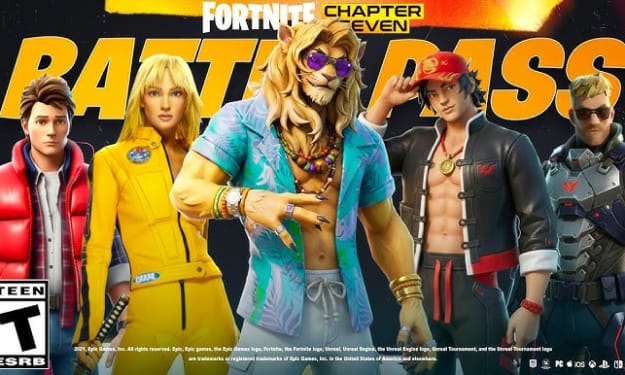
Fortnite Chapter 7 Battle Pass skins 2025
The Fortnite Chapter 7 Battle Pass is already gaining major attention across the community, and players everywhere are searching for the best skins to unlock first. Each new chapter brings a fresh lineup of cosmetic styles, unique character designs, and progression paths that make leveling the Battle Pass feel exciting and rewarding. In Chapter 7, Epic Games has once again delivered a variety of creative skins that appeal to different types of players, whether they enjoy futuristic armor, sleek stealth outfits, colorful characters, or thematic designs tied to the season’s story. With so many options available, deciding which skins are the must-unlock picks can be challenging, but this guide covers the ones players are prioritizing the most based on design quality, customization potential, and in-game popularity.
By Games Mode On2 months ago in Gamers
Todd Monken: The Offensive Architect Redefining Modern American Football
In the fast-evolving world of American football, where innovation often determines success, Todd Monken has emerged as one of the most respected and forward-thinking offensive minds of his generation. Known for his aggressive play-calling, adaptability, and ability to unlock quarterback potential, Monken’s journey from college football to the highest level of the NFL is a story of persistence, evolution, and football intelligence.
By Ayesha Lashari7 days ago in Gamers


Comments
There are no comments for this story
Be the first to respond and start the conversation.