
Avatar: Fire and Ash Review - Can James Cameron Still Deliver?
Was Avatar: Fire and Ash good?

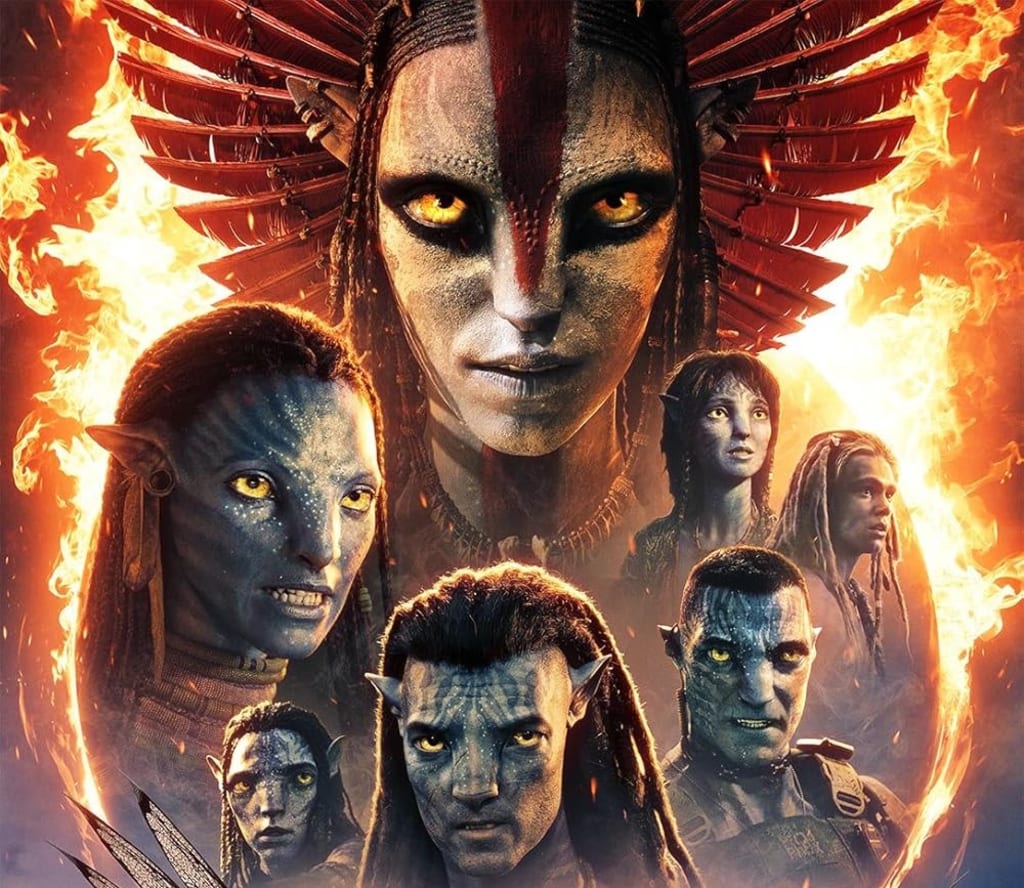
Three years ago, I sat down to watch Avatar: The Way of Water with one burning question: could James Cameron possibly justify a sequel after a 13-year wait? Three hours and twelve minutes later, the answer was unmistakable—yes, he absolutely could.
Earlier this month, I returned to Pandora for Avatar: Fire and Ash, but this time my expectations were more complicated. Some of my questions were about unresolved threads from The Way of Water, but most were about the movie itself. Would an Avatar sequel released after only three years feel as monumental as one fueled by more than a decade of anticipation? And since Cameron is famous for redefining sequels, what does a James Cameron prequel-style sequel even look like?
Three hours and seventeen minutes later, I didn’t have a perfectly clean answer—but I did leave the theater wearing a massive grin.
Picking Up the Ashes After The Way of Water
Fire and Ash begins immediately where The Way of Water leaves off. Jake, Neytiri, and the Sully family are grieving the loss of their eldest son, Neteyam. They’ve finally been accepted by the Metkayina clan, but peace is short-lived.
The RDA still looms large, and there are internal pressures too. Jake processes grief by preparing for war, which doesn’t exactly sit well with his new hosts. Meanwhile, Spider—still human—can’t survive Pandora’s atmosphere without tech. With only one backup rebreather battery, Jake makes a risky and unpopular call: Spider should live temporarily with their human allies.
To soften the blow, Jake suggests turning the relocation into a journey, hitching a ride with a nomadic airborne group known as the Wind Traders.
A Familiar Start — Until the Wind Traders Arrive
At first, Fire and Ash looks and feels very much like The Way of Water. That’s not inherently a bad thing, but early on it lacks the shock of novelty I was hoping for.
That changes fast.
The arrival of the Wind Traders is jaw-dropping. Massive airborne vessels hang from enormous jellyfish-like medusoids, pulled through the sky by wind rays. Seeing this armada in 3D on a massive screen is breathtaking—literally and figuratively.
James Cameron has always excelled at large-scale spectacle, but what impressed me just as much were the quieter shots: traders bartering, Na’vi craftsmanship on display, baskets, gourds, and trinkets filling the frame. Nothing “happens” narratively in these moments, yet the sheer density of detail pulled me forward in my seat. It feels like a visual flex—a hint at how layered and busy the film’s later sequences will become.
Enter the Manuan Clan: Fire Finds Its Villains
If baskets and sky-jellyfish don’t do it for you, don’t worry—the movie escalates quickly.
Enter the Manuan clan, a ruthless, godless group of Na’vi led by Vang, played by Una Chaplin. Chaplin is phenomenal here—genuinely unsettling. The Manuan don’t feel like they belong on Pandora at all; they’re closer to something out of Mordor.
Vang openly defies Eywa’s laws and eagerly seeks human weapons. Naturally, that puts her on a collision course with Miles Quaritch, who just so happens to share her enthusiasm for scorched-earth tactics.
Quaritch, Reborn as a Great Villain
When Quaritch appeared in the original Avatar, he was serviceable but unremarkable—a solid performance from Stephen Lang, but nothing iconic. His return across multiple sequels didn’t exactly excite me.
Fire and Ash changed that.
Lang elevates Quaritch into one of the most compelling villains I’ve seen in years, especially opposite Chaplin. The two don’t just chew scenery—they devour it. Their dynamic crackles with menace, ambition, and mutual recognition, and it’s endlessly entertaining.
Spider Steps Up
Another surprise highlight is Spider. In The Way of Water, he felt like the irritating neighborhood kid—the tagalong nobody asked for. Here, he’s fully embedded in the family and, more importantly, in the story’s emotional core.
Jack Champion’s performance strikes a balance between sincerity and youthful aggravation, not unlike Edward Furlong’s John Connor in Terminator 2. Spider becomes the film’s lynchpin, and thankfully, Champion rises to the occasion.
Neytiri Unleashed
James Cameron has a long history of writing unforgettable action heroines, and Fire and Ash cements Neytiri’s place among them.
Zoe Saldaña is incredible throughout, but one explosive sequence in particular elevates Neytiri into elite territory—standing shoulder to shoulder with Ripley in a power loader or Sarah Connor cocking a shotgun one-handed. It’s ferocious, emotional, and unforgettable.
Echoes, Rhymes, and Cameron’s Sequel Philosophy
My only real hang-up with Fire and Ash is a sense of déjà vu. Some visuals and story beats come close enough to earlier films that they almost feel like alternate takes.
But this is James Cameron’s style.
Where some filmmakers flip concepts on their heads, Cameron amplifies them. He revisits familiar ideas and presents them bigger, louder, and more operatic. Think Alien to Aliens, or Terminator to T2. The structures rhyme, but the experience escalates.
Fire and Ash is Cameron’s first true “part three,” and rather than reinventing the formula, it builds momentum. The groundwork was laid in The Way of Water, so this film hits the ground running.
A Third Chapter That Knows How to Escalate
Watching Fire and Ash, I kept thinking of The Return of the King. Not because it has endless false endings, but because of how confidently it juggles massive battles, multiple storylines, and emotional payoffs without losing clarity.
The final battle feels familiar in places—like Return of the Jedi echoing A New Hope—but the sheer scale and chaos make that familiarity feel beside the point. Cameron pulls toys from every corner of the Avatar sandbox and throws them all into the mix.
A Brighter, Wilder Pandora
Despite its fiery title, Fire and Ash makes full use of the entire color spectrum. There are psychedelic sequences that push visual boundaries, though ironically, the CGI hallucinations are less trippy than the rest of the film.
As with The Way of Water, some scenes use higher frame rates than others, and the transitions can be slightly jarring. But that’s a minor nitpick in a movie this visually overwhelming.
Final Verdict: Avatar: Fire and Ash
Score: 9/10
Avatar: Fire and Ash isn’t the massive technological leap that The Way of Water was—and that’s expected after three years instead of thirteen. But what it lacks in novelty, it more than compensates for with refinement.
Pandora feels a bit less alien now, its people more familiar. Yet James Cameron delivers a deeply satisfying conclusion to this first Avatar trilogy—one that proves this world still has far more depth than we imagined.
If you’re catching up on the saga, be sure to check out a full recap of the first two films. And if you’re interested in Cameron’s other legacy franchises, revisiting the strange history of Terminator video games is a wild ride in its own right.
About the Creator
Keep reading
More stories from Info Post Gate and writers in Geeks and other communities.
Landman Season 2 Episode 9 Ending Explained: A Long-Awaited Return to Form
Spoilers ahead. Landman is back with the penultimate episode of season two—and honestly? Fair play. This is the episode I’ve been waiting for all season. At least, the final third of it is.
By Info Post Gate19 days ago in Geeks


Comments
There are no comments for this story
Be the first to respond and start the conversation.