
Crude Picks Up As U.S.-India Trade Deal to Affect Russian Oil
Energy markets react as geopolitics, trade policy, and supply diversification reshape global crude flows

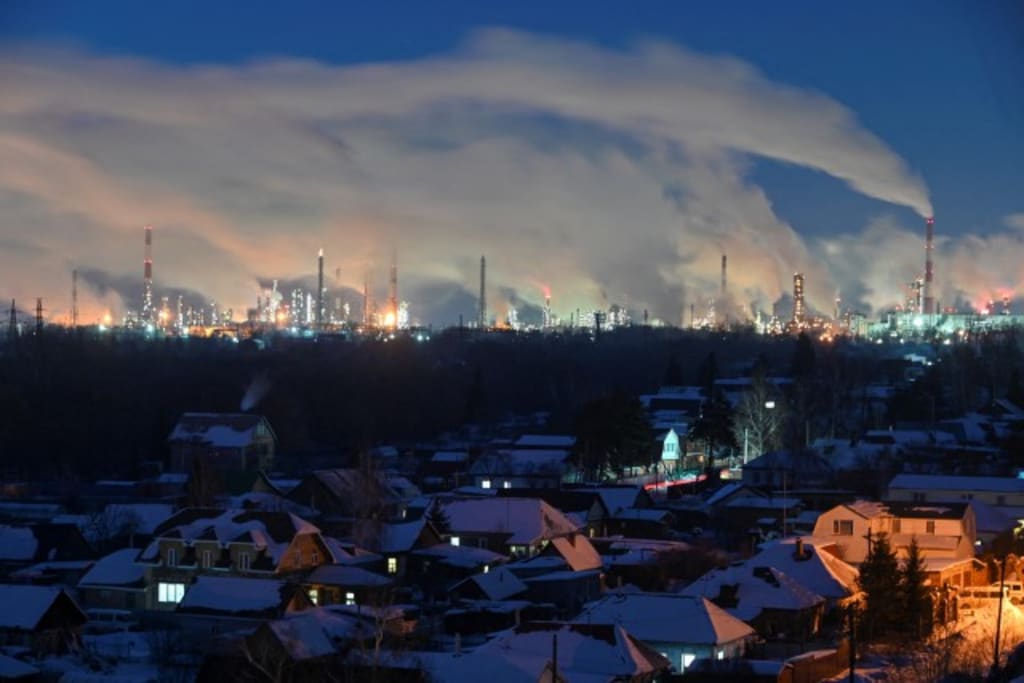
Global oil prices edged higher this week as investors digested the implications of a potential U.S.–India trade deal that could significantly alter India’s reliance on Russian crude. While the move in prices was modest, the underlying message from the market was clear: shifts in geopolitical alliances and trade frameworks continue to ripple through energy markets, influencing supply routes, pricing power, and long-term strategies for both producers and consumers.
A Market Sensitive to Signals
Crude oil markets are famously sensitive not just to hard data like inventories and production levels, but also to diplomatic signals. The prospect of deeper trade cooperation between the United States and India has introduced a new layer of uncertainty—particularly around India’s future oil sourcing strategy. Since 2022, India has emerged as one of the largest buyers of discounted Russian crude, taking advantage of price caps and sanctions-driven market distortions.
Any indication that New Delhi might rebalance its imports away from Russia and toward alternative suppliers has immediate implications for global crude demand patterns. Traders appear to be factoring in the possibility that Russian barrels could face reduced demand from one of their key outlets, tightening supply elsewhere and lending support to prices.
India’s Strategic Balancing Act
India sits at a complex crossroads. As the world’s third-largest oil importer, it must secure reliable, affordable energy to sustain economic growth. Russian oil has played a crucial role in this strategy over the past few years, offering steep discounts that helped India manage inflation and protect its trade balance.
However, India has also been careful to maintain strong diplomatic and economic ties with the United States. A broader trade deal with Washington—covering technology, defense, manufacturing, and energy—could incentivize India to diversify its crude imports further. U.S. policymakers have consistently encouraged allies and partners to reduce dependence on Russian energy, and energy cooperation is often a quiet but important component of such agreements.
This does not mean India will abruptly cut off Russian oil. Instead, analysts expect a gradual recalibration, where Russian crude becomes a smaller share of a more diversified import portfolio. Even incremental changes, though, can move markets.
Implications for Russian Oil
For Russia, India has been a critical buyer as European demand collapsed following sanctions and political fallout. If India reduces purchases—even slightly—it could force Russian exporters to offer deeper discounts or seek new markets, both of which would pressure revenues.
That pressure could have knock-on effects. Russian production has remained relatively resilient, but its pricing power has weakened. A sustained shift by India would further tilt the balance against Moscow, reinforcing the idea that sanctions, while imperfect, are reshaping global energy flows over time rather than overnight.
From a market perspective, reduced flexibility in placing Russian barrels could tighten supplies of non-Russian crude grades, particularly in Asia. That tightening is one reason crude prices have found some upward momentum on the news.
U.S. Energy and Trade Interests
The United States, now one of the world’s largest oil producers, has a different but complementary set of interests. While the U.S. is less dependent on oil exports than some producers, it has steadily increased shipments of crude and refined products to Asia. A stronger trade relationship with India could open doors for more U.S. energy exports, even if they only replace a fraction of Russian volumes.
Beyond direct oil flows, energy cooperation often includes investments in infrastructure, strategic reserves, and cleaner energy technologies. These broader ties can reshape long-term demand expectations, influencing how traders price future supply risks.
Why Prices Are Rising—But Not Surging
Despite the positive price reaction, crude has not surged dramatically. That restraint reflects countervailing forces in the market. Global demand growth remains uneven, with concerns about economic slowdowns in parts of Europe and mixed signals from China. At the same time, supply from OPEC+ remains a key variable, with production discipline balancing against the temptation to increase output at higher prices.
In this context, the U.S.–India trade discussion acts more as a supportive factor than a decisive catalyst. It adds to a broader narrative of tightening geopolitical constraints rather than delivering an immediate supply shock.
The Bigger Picture: Fragmented Energy Globalization
What makes this development noteworthy is how it fits into a larger trend. The global oil market is becoming more fragmented, shaped by regional alliances, sanctions, and strategic trade deals rather than purely by price efficiency. Countries are increasingly willing to pay a premium—or accept logistical complexity—in exchange for political alignment and long-term security.
For India, that means balancing affordability with diplomacy. For the U.S., it means leveraging trade to reinforce geopolitical goals. For Russia, it underscores the long-term cost of isolation from major Western economies.
Looking Ahead
In the near term, traders will watch for concrete details: official statements, timelines, and any mention of energy clauses within a U.S.–India trade framework. Inventory data, refinery runs, and OPEC+ signals will continue to drive day-to-day price movements, but the strategic direction is becoming clearer.
Crude’s recent pickup is less about immediate barrels and more about future expectations. Markets are betting that even gradual changes in India’s oil sourcing could tighten non-Russian supply and reshape pricing dynamics across Asia. Whether that bet pays off will depend on how quickly diplomacy turns into policy—and how flexible global producers prove to be in response.
For now, oil prices are doing what they do best: reflecting not just what is happening, but what might happen next.
About the Creator
Saboor Brohi
I am a Web Contant writter, and Guest Posting providing in different sites like techbullion.com, londondaily.news, and Aijourn.com. I have Personal Author Sites did you need any site feel free to contact me on whatsapp:
+923463986212
Keep reading
More stories from Saboor Brohi and writers in Geeks and other communities.
PayPal Stock
PayPal Holdings, Inc. — known on Wall Street by its ticker PYPL stock — is at an inflection point. Once a standout growth story of the digital finance era, the company’s recent financial results and leadership changes have sparked debate among investors about its future direction. For anyone watching PYPL, the combination of earnings performance and executive shifts offers a clearer lens into where this fintech stalwart is headed.
By Saboor Brohi 14 days ago in Geeks
Nancy Guthrie: Is a miracle still possible after close to two weeks?
Close to two weeks since Nancy Guthrie's abduction As of February 12, 2026, Nancy Guthrie remains classified as missing for 12 days, but there is no official confirmation that she is deceased. Blood matching Guthrie’s DNA was found on her front porch, indicating she likely suffered an injury during the abduction.
By Cheryl E Preston4 days ago in Geeks
‘Little House on The Prairie’ The reason Walnut Grove was blown up.
Little House on the Prairie starred Michael Landon and Melissa Gilbert. Longtime fans of the program about pioneer life in Walnut Grove, Minnesota, have enjoyed reruns on streaming and retro networks. There are mixed feelings about the series finale The Last Farewell.
By Cheryl E Prestona day ago in Geeks


Comments
There are no comments for this story
Be the first to respond and start the conversation.