
How to Build a Workspace at Home That Sparks Creativity
Learn how to design a home office or personal workspace that sparks creativity.

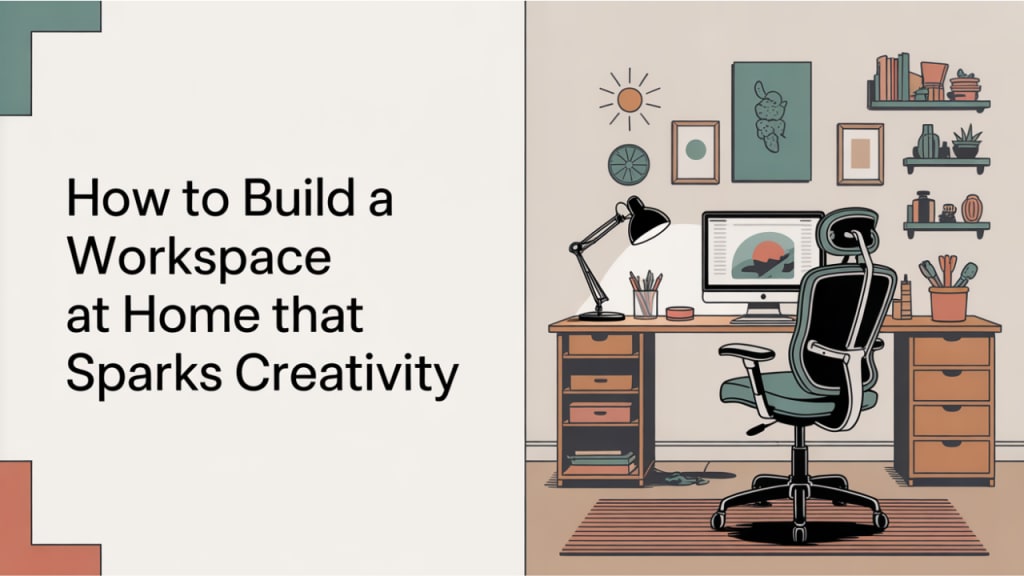
Working from home has become a reality for millions of people, and the space where you spend your work hours can greatly affect your focus, productivity, and creativity.
A cluttered, uninspiring corner of your home can make even the most exciting tasks feel tedious, while a thoughtfully designed home office or personal workspace can motivate you, spark ideas, and transform your workday into an enjoyable experience.
Creating a workspace that encourages creativity is about more than just a desk and chair, it’s about designing an environment that energizes and supports your unique workflow.
Understanding the Role of Your Home Office
Before setting up furniture or picking colors, it’s important to recognize how your home office impacts your mind. Your surroundings influence your mood, motivation, and ability to focus.
A disorganized or cramped work-from-home setup can increase stress, reduce efficiency, and limit creative thinking. Conversely, a space that feels organized, inspiring, and functional allows your brain to approach tasks with enthusiasm.
The goal isn’t to create a perfect Instagram backdrop, but a creative workspace that helps you feel energized and focused.
Choosing the Right Location
Selecting the right spot in your home is the first step in designing a productive home office. Ideally, it should be in a quiet area, away from distractions, and receive ample natural light.
A space near a window is perfect, as daylight boosts mood, increases focus, and reduces eye strain. If natural light isn’t available, invest in task lighting that mimics daylight.
Your personal workspace should also feel separate from leisure areas, so your brain associates it with work and creative thinking rather than relaxation.
Comfort is Key
A comfortable home office is a productive one. Sitting for hours without proper support can lead to fatigue, back pain, and discomfort—all of which stifle creativity. Investing in an ergonomic chair that supports your back, neck, and shoulders is crucial. Your desk should be at a height that allows your arms to rest naturally while typing or writing, and your monitor should be positioned at eye level to prevent strain. Small adjustments like these ensure that you remain comfortable, alert, and creative throughout the day.
Personalizing Your Work Area
A creative workspace should reflect your personality and the type of work you do. Personal touches like artwork, plants, or photographs can make the environment feel inviting and inspiring.
Colors also play an important role; blues and greens promote calmness and focus, while pops of yellow or orange can stimulate energy and ideas. The key is balance, too many decorations or overly bright colors can distract, while a dull, blank environment may feel uninspiring.
Organizing for Efficiency
Clutter kills creativity. Even a visually appealing home office can become mentally exhausting if it’s disorganized. Keeping essential tools within easy reach, using storage solutions such as drawers or shelves, and separating work materials from personal items can streamline workflow.
A well-organized work-from-home setup helps you focus on tasks rather than navigating through clutter, allowing ideas to flow more freely.
Incorporating Movement
Sitting for long stretches can reduce energy and hinder creative thinking. Incorporating movement into your home office design can boost both productivity and idea generation.
Consider a sit-stand desk, a balance stool, or a small area to stretch or walk around. Alternating positions throughout the day prevents fatigue and keeps your mind engaged, making it easier to approach tasks with fresh perspective.
Stimulating Creativity Through Design
To truly inspire creativity, your personal workspace should include elements that spark imagination. This could be a whiteboard or corkboard for brainstorming, a small vision board with goals, or a sketching area to capture spontaneous ideas.
Exposure to varied textures, lighting, and materials also stimulates the senses. Wooden accents, soft textiles, and tactile objects make a creative workspace feel welcoming while encouraging imaginative thinking.
Technology That Supports Creativity
While technology is essential for most work-from-home professionals, it can also be distracting. Choosing tools that enhance productivity without overwhelming you is key.
A reliable computer, high-quality headphones, and fast internet connection are basic necessities for any home office. Limit notifications from apps that interrupt focus, and incorporate tools that facilitate creativity, such as note-taking apps, digital sketchpads, or project management software.
Flexibility Encourages Innovation
Creativity thrives in environments that can adapt to different tasks. Your work-from-home setup should allow you to shift between focused computer work, brainstorming sessions, or hands-on projects.
Multiple work zones or adjustable furniture prevent monotony and keep your mind engaged, enabling a more productive and creative workflow.
Nature Boosts Creativity
Incorporating elements of nature into your creative workspace has a profound impact on mental clarity and innovation. Indoor plants improve air quality and reduce stress, while natural materials like wood or stone make the space feel grounded and inviting. Even images of landscapes or outdoor scenery can inspire new ideas, helping you feel connected to the natural world even indoors.
Maintaining Boundaries Between Work and Life
A successful home office respects mental boundaries. Even at home, it’s important to signal when work begins and ends.
This can be achieved by designating a specific area for work, using lighting to indicate work hours, or establishing routines that separate professional time from personal life. Clear boundaries allow you to fully engage with tasks during work hours while preventing burnout.
Keeping Your Workspace Fresh
A creative workspace is not a one-time setup. It requires ongoing attention and periodic updates. Swap out items that no longer inspire you, reorganize cluttered areas, or add small touches like new colors, textures, or tools to keep the environment stimulating.
Regularly refreshing your home office prevents stagnation and ensures your space continues to encourage creativity and productivity.
Conclusion
Designing a workspace at home that sparks creativity involves thoughtful planning, comfort, personalization, and adaptability. A home office or personal workspace should energize you, provide the right ergonomic support, and stimulate imaginative thinking.
From choosing the right location and lighting to organizing materials, incorporating nature, and personalizing your environment, every detail matters.
Your work-from-home setup is more than just a desk and chair; it’s a tool that shapes how you think, work, and innovate.
By creating a space that balances function, comfort, and inspiration, you set the stage for productive, creative, and enjoyable workdays. Investing time and care into designing your creative workspace allows you to thrive, generate ideas, and achieve your best work without leaving the comfort of home.
About the Creator
Saif
Exploring different parts of life.
Not Just For Clean Up: A History Of The MCU's Department of Damage Control
Initially an organisation that seemed to exist to help the heroes of the Marvel Cinematic Universe, from Phase Four onwards, the Department of Damage Control has shifted into a more antagonistic role. Most recently seen in the Wonder Man series, the current incarnation of Damage Control seems to target superpowered individuals, regardless of whether that person poses an active or intentional threat.
By Kristy Anderson5 days ago in Geeks


Comments
There are no comments for this story
Be the first to respond and start the conversation.