
'Metroid: The Sky Calls' Is How A Metroid Movie Should Be Done
Admittedly, movie adaptations of video games are pretty hit or miss.

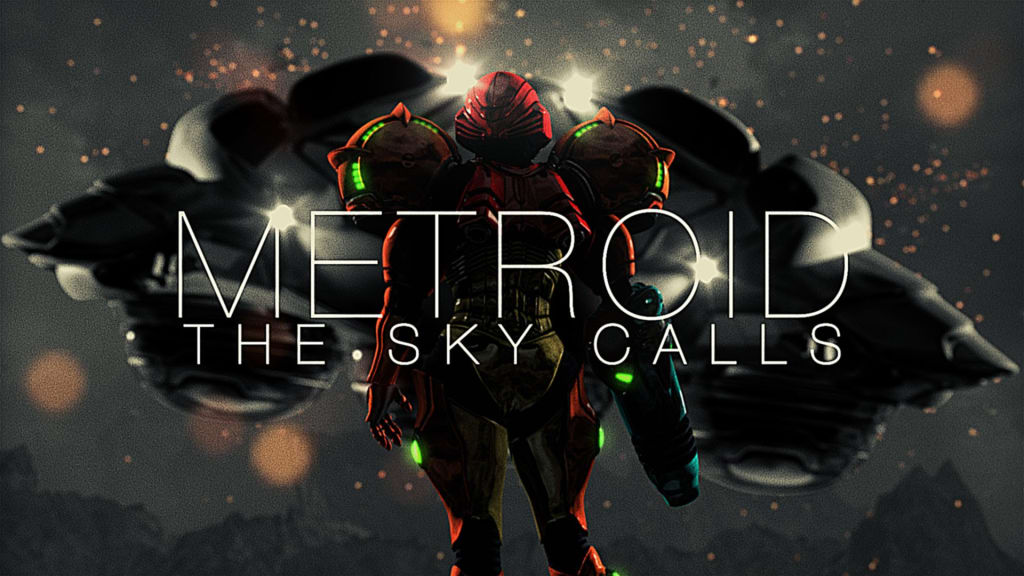
Admittedly, movie adaptations of video games are pretty hit or miss. If you look back at all the movies in this genre, they are mostly misses falling under the "so bad it's good" category. Every now and again, though, someone absolutely nails it. More often than not it's in the form of short, fan made triumphs rather than big budgets affairs. Metroid: The Sky Calls by Rainfall Films is definitely one of those gems.
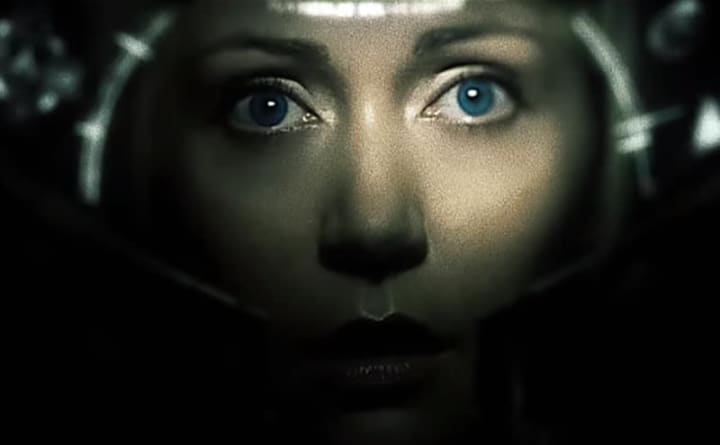
Jessica Chobot as Samus Aran
The short stars Jessica Chobot as renowned bounty hunter Samus Aran with motion capture work done by America Young. The film definitely has an old school look to it and the film is geared more towards the feeling of being isolated rather than big action and shining lights.
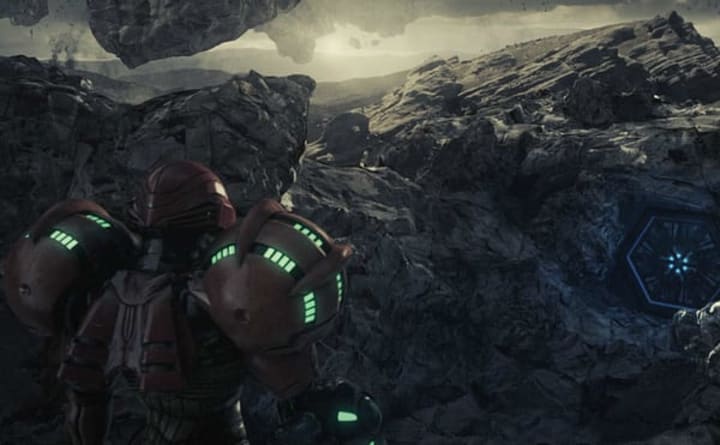
Instead of using a modern approach, director Balcomb chose to incorporate a style more in tune with the types of films that inspired the first Metroid game in 1986 (which named one of its creatures after Ridley Scott), favoring exploration and isolation over action spectacle.
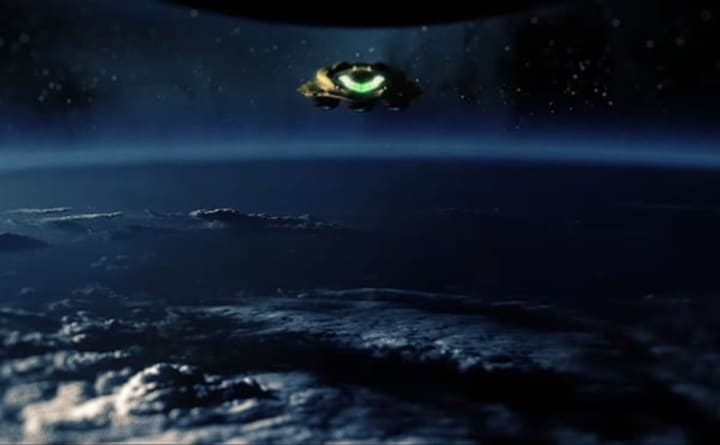
In the span of eleven minutes, Rainfall Films manages to craft a story that's compelling and leaves you wanting more. The atmosphere of the film is enthralling and I can't properly express how impressed I was with the visuals. If this were to come out as a full length feature, I would throw my money at it like nobody's business, believe that. I could gush about this short film for who knows how long but why not watch it for yourself? I promise it'll be eleven minutes well spent.
Source: Rainfall Films
About the Creator
Jay Vergara
I'm a SoCal based photographer and freelance writer with a love for everything nerdy.
Follow me on Instagram at Mediumblast and Twitter on @medivmblast
Keep reading
More stories from Jay Vergara and writers in Geeks and other communities.
Miss Sinister Does It Yet Again With An Eye Popping Mad Max Inspired Shoot
I've talked about Miss Sinister before when I was completely blown away by her Star Wars inspired photo shoot. I've kept up with her work since then and I was excited when she hinted at a Mad Max inspired shoot. If there's anyone who can pull off that vibe, it's definitely Miss Sinister. Well, she definitely didn't disappoint. Teaming up with some great photographers, Miss Sinister lives up to her name with some truly fierce and amazing shots.
By Jay Vergara8 years ago in Geeks
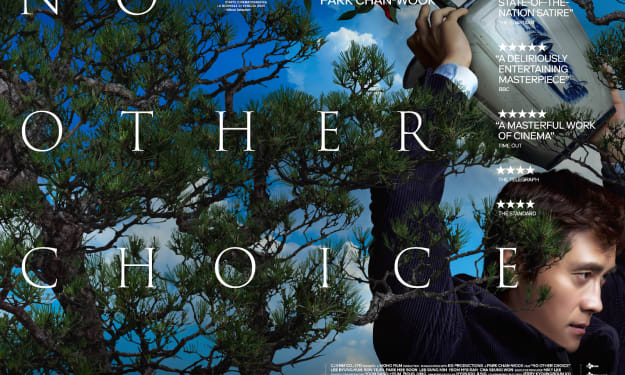
No Other Choice (2025)
It is only February, so other films may well surpass “No Other Choice”, but I think this is the best film I’ve seen so far this year. And that surprises me, because, it is a subtitled film and while I am pretentious enough to choose to watch foreign-language films, I was also very tired and that was an extra commitment from me. But more importantly, let me warn you, this film is gruesome and violent. There were times I had to turn away from the screen to avoid the worst of it (including some self-inflicted dentistry).
By Rachel Robbinsa day ago in Geeks
Social Media ‘Killed Our Children’. With Prince Harry’s Help, We’re Taking Them to Court
For a growing number of bereaved families, grief has turned into determination. Parents who lost their children to suicide and self-harm now say that social media platforms played a decisive role in pushing vulnerable young people toward irreversible decisions. With the backing of Prince Harry, these families are preparing to take technology companies to court, accusing them of knowingly designing products that exploit psychological weaknesses in children and teenagers. The campaign brings together families from both sides of the Atlantic who believe that harmful online content—ranging from self-harm imagery to algorithm-driven echo chambers—contributed directly to their children’s deaths. Their central claim is stark: that social media platforms failed in their duty of care and placed profit above safety. Parents describe discovering, after their children’s deaths, extensive histories of online exposure to material promoting despair, eating disorders, and suicide. Many say they had no idea what their sons and daughters were consuming through their phones at night. In several cases, platform algorithms repeatedly pushed the same dangerous content, reinforcing feelings of isolation and hopelessness. Prince Harry’s involvement has given the campaign international visibility. Through his mental health advocacy work and foundation initiatives, he has long warned about the dangers of unregulated digital spaces. He has described social media as an environment that “preys on vulnerability” and has argued that companies must be held accountable when their products cause real-world harm. Legal experts supporting the families say the case could mark a turning point. Rather than framing these deaths solely as personal tragedies, the lawsuits aim to establish corporate responsibility for psychological injury. The strategy mirrors earlier legal battles against tobacco companies, which were eventually forced to acknowledge that they understood the addictive nature of their products while continuing to market them aggressively. Technology firms have consistently denied responsibility for individual outcomes. They argue that billions of users interact safely with their services and that they invest heavily in content moderation and mental health resources. Platforms point to tools such as reporting systems, warning labels, and crisis hotlines as evidence of their commitment to user wellbeing. Families counter that these measures are superficial and reactive. They claim companies already possess internal research showing the damaging effects of their algorithms on young minds. Former employees from major technology firms have testified publicly that engagement-driven design choices prioritized time spent on apps over emotional safety. According to the parents, this proves that the risks were known but ignored. The legal action also highlights the lack of effective regulation. While some governments have introduced online safety laws, enforcement remains inconsistent and slow. In the meantime, children continue to be exposed to unfiltered digital environments that operate across borders, beyond the reach of any single national authority. Mental health professionals increasingly support the families’ concerns. Studies have linked heavy social media use with rising levels of anxiety, depression, and self-harm among adolescents. Psychologists warn that young users are particularly susceptible to algorithmic feedback loops that amplify negative emotions and normalize destructive behaviors. For the parents, the court case is not only about compensation but about recognition. They want public acknowledgment that their children were harmed by systems designed to keep users engaged at any cost. Several families have said that financial settlements would mean little compared to meaningful reform: transparent algorithms, stronger age verification, and legal obligations to remove harmful content before it spreads. Prince Harry has framed the issue as a moral challenge for the digital age. He has argued that society cannot allow powerful corporations to operate without responsibility when their platforms shape the emotional lives of millions of children. His support has helped transform individual stories of loss into a collective demand for justice. Critics caution that proving a direct causal link between social media use and suicide will be legally complex. Mental health outcomes are influenced by many factors, including family environment, school pressures, and pre-existing conditions. Technology companies are expected to argue that responsibility lies with parents and communities rather than platforms. Yet the families insist that complexity does not excuse negligence. They believe that when algorithms repeatedly direct vulnerable users toward harmful content, responsibility must be shared. Their lawsuit seeks to establish that digital design choices can have lethal consequences. As the case moves forward, it could redefine how society views technology companies—not merely as neutral platforms, but as powerful actors with ethical and legal duties toward their youngest users. Whether the courts agree remains uncertain, but for the parents involved, silence is no longer an option. “Our children are gone,” one mother said. “But if this case forces change, then their deaths will not have been in vain.”
By Fiaz Ahmed about 9 hours ago in Geeks


Comments
There are no comments for this story
Be the first to respond and start the conversation.