
Prince of Wales: ‘I’m Not Calm Enough Right Now to Watch Hamnet’
Prince of Wales opens up about the emotional challenge of watching Hamnet, highlighting the power of theatre to resonate deeply with personal experience.

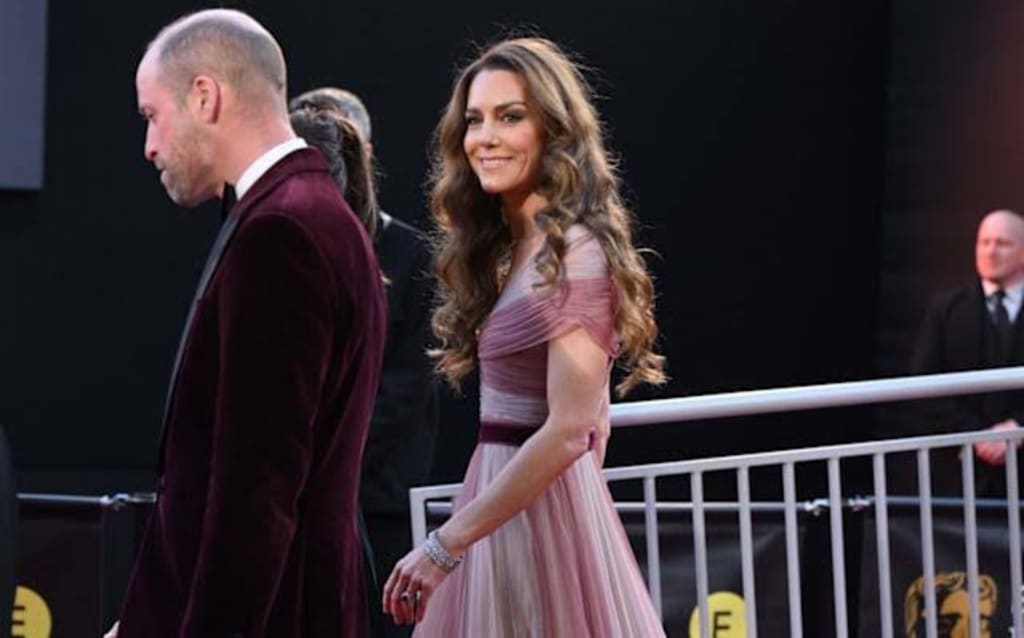
In a candid revelation, the Prince of Wales admitted that he is currently unable to watch the critically acclaimed play Hamnet, citing personal and emotional reasons. The announcement, made during a recent interview with a cultural magazine, has drawn attention to the often-overlooked human side of public figures and the impact of art on personal reflection.
Hamnet, adapted from the award-winning novel by Maggie O’Farrell, explores the life and untimely death of William Shakespeare’s son, Hamnet, and the profound effect it had on his family. The play has been lauded for its sensitive portrayal of grief, loss, and familial bonds. For many audience members, it serves as both a historical exploration and a deeply emotional experience.
The Prince, who has long expressed interest in literature and the arts, explained that the timing of the production’s themes coincides with a period in his life that makes watching it particularly challenging. “At this moment, I’m not calm enough to engage with the story,” he said. “It touches on aspects of loss that feel too immediate to observe objectively.”
Art as Emotional Mirror
His admission underscores a broader truth about theatre: it often reflects the viewer’s own emotional state. Productions like Hamnet demand vulnerability, asking audiences to confront pain, empathy, and memory. For someone constantly in the public eye, the emotional weight can be amplified.
The Prince’s connection to literature is well documented. Over the years, he has championed literary initiatives, supported young writers, and participated in readings. Yet even with this background, he acknowledges the difficulty of separating personal experience from artistic observation.
“It’s a reminder that no one, regardless of status or privilege, is immune to the power of art,” said a theatre analyst familiar with royal engagements. “Sometimes, the work reaches us in ways we are not prepared for.”
A Wider Cultural Conversation
The Prince’s candid reflection has sparked a wider conversation about the role of art in personal life and mental health. In interviews following the initial statement, cultural commentators noted that public figures expressing vulnerability helps normalize discussions around emotional well-being.
Many audience members and theatre professionals responded with understanding and empathy. “Theatre is meant to evoke emotion, sometimes profoundly,” said one director. “Acknowledging that you cannot watch a piece because it resonates too deeply is an entirely human response.”
This reaction has prompted some cultural organizations to emphasize the importance of audience readiness. While Hamnet has received critical acclaim for its artistry, it also serves as a reminder that content can evoke intense emotional responses, which vary depending on personal circumstances.
Personal Resonance
Observers suggest that the Prince’s connection to Hamnet is not merely theoretical. The story of a family grappling with unexpected loss parallels universal experiences of grief and memory. By admitting his current inability to watch, he humanizes the royal persona and connects with audiences on a fundamental, human level.
“It’s rare to see such openness from someone constantly under scrutiny,” said a cultural commentator. “It reminds the public that even those who live in privilege face emotional challenges that are universal.”
The Royal Approach to Culture
Despite his decision to step back from viewing Hamnet, the Prince continues to be a prominent advocate for literature, theatre, and the arts. His patronage includes numerous festivals, scholarships, and public readings, underscoring his commitment to nurturing cultural engagement across the United Kingdom and beyond.
In emphasizing personal boundaries and emotional readiness, the Prince also signals a modern approach to public life—acknowledging vulnerability while maintaining a commitment to broader cultural participation.
Conclusion
The Prince of Wales’ candid admission about Hamnet is more than a personal reflection; it is a cultural statement. It highlights the power of art to provoke deep emotion and the necessity of acknowledging personal readiness to engage with challenging material. For audiences and artists alike, it serves as a reminder that theatre is not just entertainment—it is a mirror, sometimes uncomfortable, of the human experience.
About the Creator
Fiaz Ahmed
I am Fiaz Ahmed. I am a passionate writer. I love covering trending topics and breaking news. With a sharp eye for what’s happening around the world, and crafts timely and engaging stories that keep readers informed and updated.
Keep reading
More stories from Fiaz Ahmed and writers in Geeks and other communities.
BAFTAs 2026: The Winners List in Full
The British Academy Film Awards delivered a night of surprises, emotional speeches, and decisive victories as the UK’s most prestigious film and television honors were announced in London. The ceremony highlighted a shift toward intimate storytelling and socially conscious cinema, with One Battle After Another emerging as the standout winner of the evening. Long considered an underdog against heavily favored contenders Hamnet and Sinners, One Battle After Another captured the academy’s attention with its raw portrayal of life after conflict. The film took home multiple major awards, including Best Film, cementing its status as the most influential production of the year. Meanwhile, one of the night’s most emotional moments came when Robert Aramayo won Best Actor for his performance in the courtroom drama I Swear. Aramayo, previously known for supporting roles, was widely praised for his intense and deeply human portrayal of a young barrister confronting corruption and moral collapse. In the Best Actress category, veteran performer Claire Donnelly claimed victory for her haunting role in Sinners, bringing balance to an awards night otherwise dominated by One Battle After Another. Her acceptance speech focused on the importance of telling difficult stories in uncertain political times. Major Winners at BAFTAs 2026 Below is the full list of winners announced at the ceremony: Best Film: One Battle After Another Outstanding British Film: Hamnet Best Director: Eleanor Briggs – One Battle After Another Best Actor: Robert Aramayo – I Swear Best Actress: Claire Donnelly – Sinners Best Supporting Actor: Thomas Kerr – One Battle After Another Best Supporting Actress: Lydia Markham – One Battle After Another Best Original Screenplay: One Battle After Another – Eleanor Briggs & Daniel Howe Best Adapted Screenplay: Hamnet Best Cinematography: Hamnet Best Costume Design: Hamnet Best Editing: Sinners Best Production Design: Sinners Best Original Score: One Battle After Another Best Sound: One Battle After Another Best Visual Effects: Sinners Best Documentary: Beyond the Ice Best Animated Film: The Last Star Sailor Best British Short Film: Still Water Best British Short Animation: Paper Wings A Night of Shifting Priorities The results suggested a clear change in the academy’s tastes. While visually ambitious productions like Sinners were rewarded in technical categories, the top prizes went to emotionally driven narratives focused on trauma, justice, and recovery. Industry analysts said the winners reflected a desire for cinema that speaks directly to real-world anxieties. Film critic Jonathan Reeves described the outcome as “a triumph for quiet courage over spectacle.” He added that One Battle After Another succeeded because it placed human experience at the center of geopolitical themes. Breakthrough and Legacy Robert Aramayo’s Best Actor win marked one of the most significant turning points of the night. His performance in I Swear has already sparked international interest and positioned him as one of Britain’s most promising leading men. Producers hinted that several major film projects are now in discussion following his victory. Looking Forward With the BAFTAs concluded, attention now turns to the international awards circuit, where many of the night’s winners are expected to gain further recognition. One Battle After Another enters global markets with renewed prestige, while Hamnet and Sinners continue to attract audiences through their artistic ambition. The BAFTAs 2026 ceremony will be remembered not just for its winners, but for its message: powerful storytelling, rooted in human emotion and moral complexity, remains at the heart of British cinema.Beyond the awards themselves, the 2026 ceremony was notable for its emphasis on creative risk and emerging talent. Several presenters highlighted the importance of nurturing independent cinema at a time when streaming platforms increasingly dominate the industry. The audience responded warmly to speeches calling for stronger support for British filmmakers and more inclusive storytelling. Social media reaction following the event praised the balance between artistic achievement and emotional authenticity, with viewers describing the winners as reflective of a changing cultural mood. As the British Academy Film Awards close another chapter, the 2026 results will be remembered as a turning point toward character-driven films and socially resonant performances.
By Fiaz Ahmed about 14 hours ago in Geeks
Goodbye, Mr. Duvall
It is turning out to be an interesting year. I was in the middle of teaching a class when a pop-up appeared on the screen announcing the death of Mr. Robert Seldon Duvall (yes, that was his full name). I was in the middle of a discussion on the obsession we have with winning when it comes to sports (the Winter Olympics was a theme), and I felt as though things were coming full circle. We had already lost Gene Hackman last year, and along with that titan, it feels though one particular golden age has closed off to be replaced by...?
By Kendall Defoe 7 days ago in Geeks
How to Create a Utility Token for Your Business
Blockchain technology has moved far beyond speculative trading and digital collectibles. For businesses seeking new methods of customer engagement, capital formation, and ecosystem development, utility tokens present a practical and strategic option. Unlike cryptocurrencies that function primarily as money or security tokens that represent ownership or investment rights, utility tokens provide access to products or services within a specific platform.
By Henry james7 days ago in Geeks




Comments
There are no comments for this story
Be the first to respond and start the conversation.