
The Last of Us: Season 2 — Review
The second season focused on the wrong story — and character

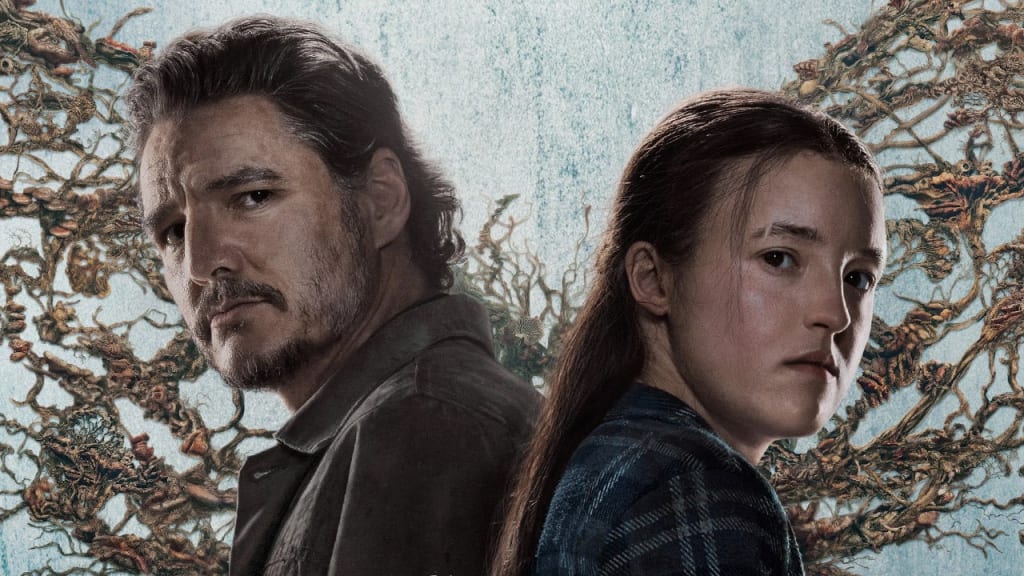
After a highly praised first season, The Last of Us: Season 2 arrives burdened with high expectations—expectations it unfortunately struggles to meet. While the ambition to adapt one of the most controversial and emotionally rich narratives in video game history is admirable, the season falters under the weight of its own storytelling choices. Rather than deepening the characters and moral complexity that defined the source material, the show delivers a disjointed, emotionally flat, and thematically diluted version of a far more compelling story.
From the outset, Season 2 feels uneven in both pacing and tone. Key character arcs are either mishandled or entirely omitted, and what should have been a relentless descent into grief and vengeance becomes a meandering journey defined more by dialogue than action. Much of the emotional devastation that drives the game’s plot is merely referenced rather than shown, robbing viewers of the opportunity to connect with the characters on a visceral level.
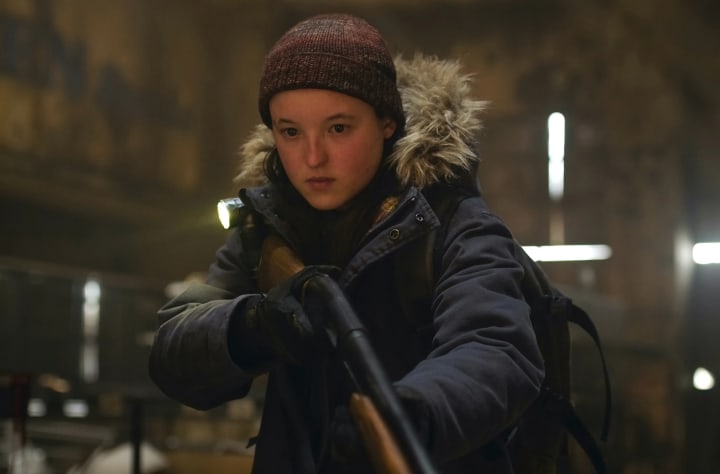
Ellie’s arc suffers the most. Bella Ramsey, who previously delivered a strong performance, is left with little to work with as the writing shifts Ellie from a deeply conflicted, traumatised anti-hero into a reactionary figure with inconsistent motivations. Gone is the gradual, harrowing unravel of a young woman consumed by grief and revenge. Instead, we get a version of Ellie that feels passive, bratty, and lacking in the survival instincts and emotional complexity that made her so compelling in the game. Her agency is stripped away, and her actions often feel driven by plot necessity rather than internal conflict. As a viewer, it became clear that the writers struggled to portray Ellie as a nineteen-year-old, relying heavily on the first season's traits despite the huge time jump and the character being five years older.
Equally frustrating is the complete absence of Tommy’s storyline—a vital narrative thread that mirrors Ellie’s descent and adds layers to the overarching themes of obsession and loss. The decision to sideline his arc diminishes the emotional stakes and removes one of the few moral counterpoints Ellie could have had. Inexplicably, elements of both Tommy’s and Ellie’s emotional journey appear to have been transferred to Dina, who, while a significant character, ends up bearing emotional weight that was never hers to carry.
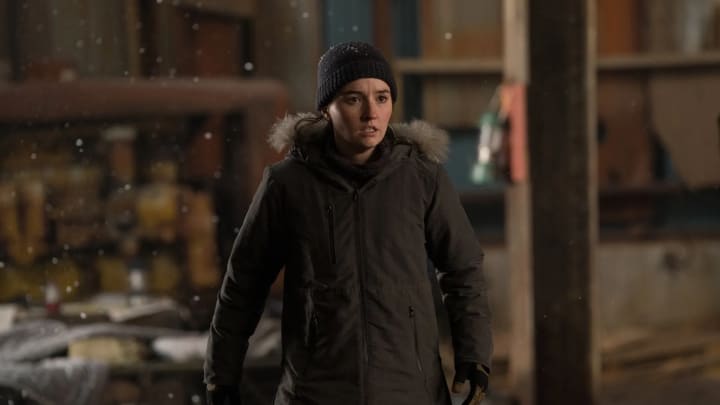
Much of the season is padded with scenes that add little or nothing to the main plot. Pedro Pascal was ironically one of the strongest aspects of a show that centred on his character's absence. Out of all of the episodes of this season, two were standouts and they were written or co-written by the original video game writers, so that was something. Instead of deepening the narrative, these moments feel like filler—brief diversions that detract from the tension and emotional urgency that should define a revenge arc. The show often tells us what the characters are feeling rather than letting us experience those emotions through action and performance. In a story so rooted in grief, trauma, and moral ambiguity, this approach proves fatal.
And yet, the final scene of the season offers a fleeting glimpse of what could have been. Kaitlyn Dever’s brief appearance as Abby is arguably the most emotionally resonant moment of the entire season. In just a few minutes, she conveys more rage, sorrow, and inner turmoil than the rest of the cast is allowed to explore in seven episodes. It’s a powerful reminder of the narrative depth this story can reach when given the space to breathe.
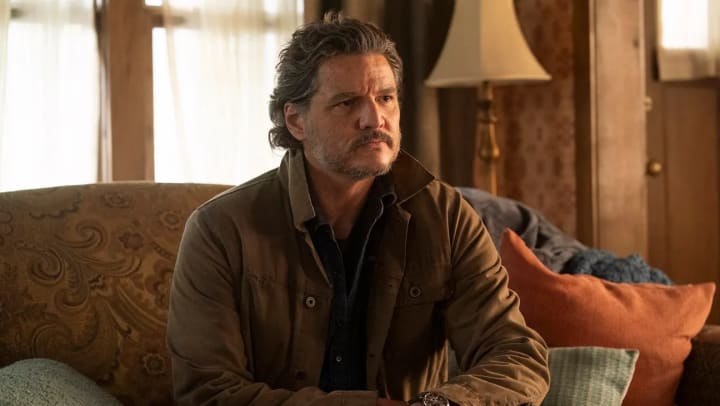
Ultimately, The Last of Us: Season 2 feels like a pale imitation of its source material—one that misunderstands its characters as much as it misjudges its tone. While the production values remain high and individual performances occasionally shine, the writing undermines the show’s emotional core. Fans of the game will likely feel let down by a season that lacks the nuance, brutality, and heart that made the original story unforgettable.
The only hope for redemption lies in Season 3, which will finally centre on Abby’s character arc. While HBO has confirmed the third season, there is strong speculation that it could also serve as the show’s final season. Whether the creators will do justice to both Ellie and Abby’s stories and give the series a satisfying conclusion remains to be seen, but I have little hope and have lost what enthusiasm I had for this series.
My rating for The Last of Us: Season Two is ★★.
The Last of Us is exclusively available on Sky Atlantic and streaming service NOW.
About the Creator
Ted Ryan
Screenwriter, director, reviewer & author.
Ted Ryan: Storyteller Chronicles | T.J. Ryan: NA romance
Socials: @authortedryan | @tjryanwrites | @tjryanreviews
The Author Diaries #1: The Storyteller’s Curse — Exclusive Prologue Reveal
Author’s Note: Dear Readers, Thank you for being here — for reading, subscribing, and stepping back into the world of The Storyteller Chronicles. When I finished Book One, I truly thought the story was done. Silas was defeated. The grimoire was safe. Lauren had saved the day — in two worlds — and her family were reunited.
By Ted RyanExclusive • 7 months ago
Cost to Develop an MVP in 2026: Real Pricing, Timelines, and Hidden Expenses
Building a product in 2026 is hella different than it was a few years ago. You’d think with all the AI automation, the cost to develop mvp would have dropped to pennies. It hasn't. Not even close.
By Samantha Blake2 days ago in Geeks
The Missing Ingredient
The first time I saw her, she was wearing a velvety, red ribbon in her hair. She carried a small leather backpack everywhere. She searched the forest by turning stones, checking beneath shrubs, listening to the wind as if it might carry an answer.
By Imola Tóth3 days ago in Fiction



Comments (1)
Hi Ryan! This is such an informative review! I love how your honest and critiqued certain areas where it left a lot to be desired such as how certain character arcs were handled. Keep up the good work!