
Tommaso Ragno (Vermiglio) Wins Best European Actor at the Septimius Awards 2025 in Theater Tuschinski in Amsterdam
The Alchemy of Age: Tommaso Ragno's Vermiglio Performance Wins Top European Accolade

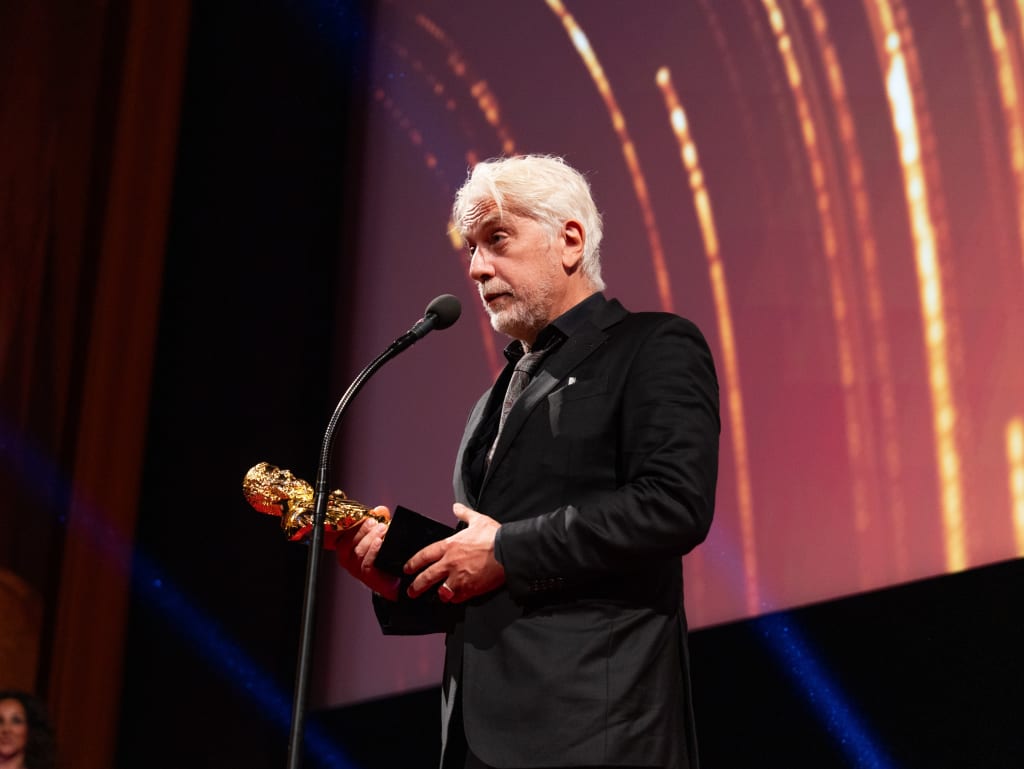
The velvet curtains of the Tuschinski Theatre in Amsterdam felt heavier than usual that September evening, absorbing the collective anticipation of the European film elite. The air, thick with the scent of old wood, fine champagne, and anxious ambition, seemed to shimmer under the golden glow of the Art Deco chandeliers. It was here, at the Septimius Awards 2025, that the spotlight was about to find its way to a man whose career had been a slow, deliberate burn, far from the fleeting brilliance of cinematic supernova: Tommaso Ragno.
At 62, Ragno was not a fresh face, but a weathered masterpiece. He sat rigidly in the third row, his characteristic stoop—a posture earned from decades spent hunched over scripts in dimly lit backstage rooms—temporarily straightened by the unforgiving tailoring of his tuxedo. He felt the familiar weight of Naples on his shoulders, the blue-collar grit of his upbringing, and the ghosts of every experimental theatre stage he had ever commanded. This international recognition, for an Italian actor whose soul belonged first and foremost to the demanding, unforgiving silence of the stage, felt almost like a delightful administrative error.
The category was announced: Best European Actor.
The nomination was for Vermiglio, a quiet, sprawling epic directed by Costanza Quatriglio. Ragno’s role, Cesare, was the gravitational center of the film—a patriarchal schoolteacher in the secluded Trentino-Alto Adige region, clinging to his pride and his family’s fading customs amidst the unsettling backdrop of the end of World War II. Cesare was, in Ragno’s hands, a study in contradiction: a man whose booming voice masked the most profound, subterranean vulnerability. He was the paterfamilias archetype nearing its obsolescence, watching the modern world, like an unstoppable avalanche, creep down the mountainside toward his village.
Ragno had prepared for the role with the ascetic devotion of a man returning to his roots. Months were spent not in a luxurious trailer, but living among the villagers of Vermiglio, learning the forgotten dialects, observing the rhythm of life governed by high-altitude light and deep snow. This method, honed during his avant-garde theatre days with boundary-pushing directors like Romeo Castellucci, transcended mere acting; it was an act of historical reincarnation. He wasn't just playing Cesare; he was borrowing the skin of a generation.
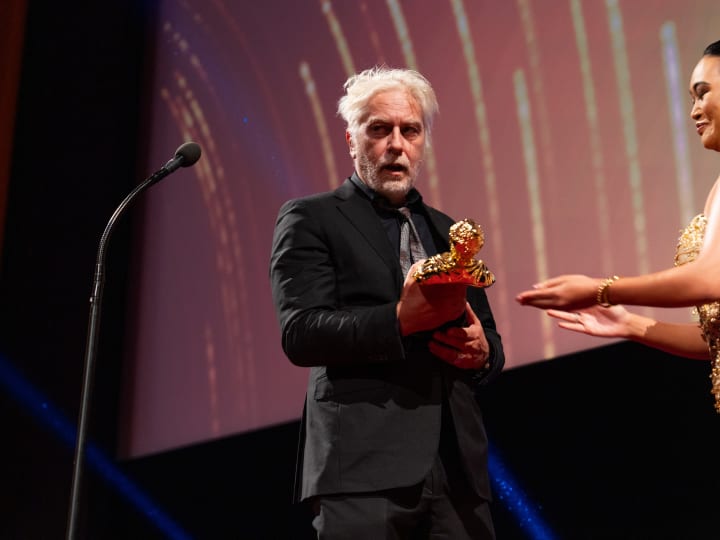
When the presenter’s voice sliced through the tension, announcing his name, a stunned hush seemed to fall over the actor. Tommaso Ragno. Best European Actor.
As he walked toward the stage, the decades flashed behind his eyes: the early struggles, the years at the Silvio D’Amico Academy in Rome, the transformative experience winning the Ubu Prize for his searing 2005 Macbeth. He remembered the minor, yet critical, role in Luca Guadagnino’s sun-drenched Call Me by Your Name that brought him fleeting international notice, and then the dark, intense turn as a Sicilian mobster in The Traitor that solidified his cinematic presence. But Vermiglio was different. It was his tour de force—a humanizing, unexcusing portrayal of era’s machismo that earned the film its stellar 98% Rotten Tomatoes score and seven David di Donatello Awards, including Best European Film for Quatriglio.
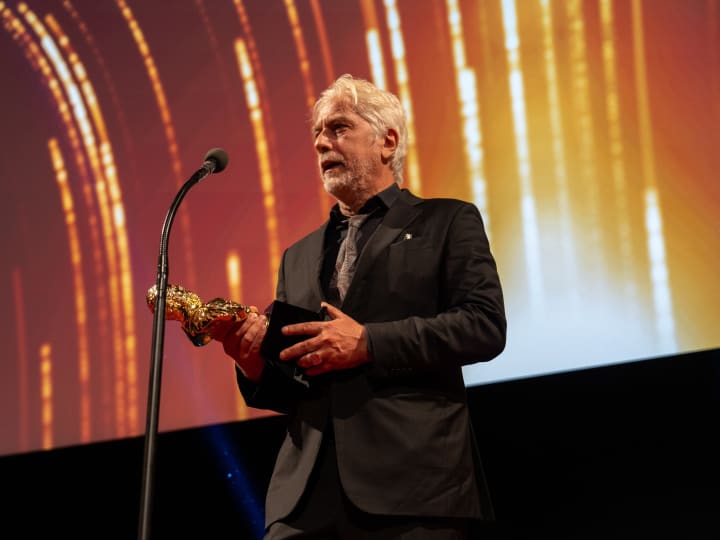
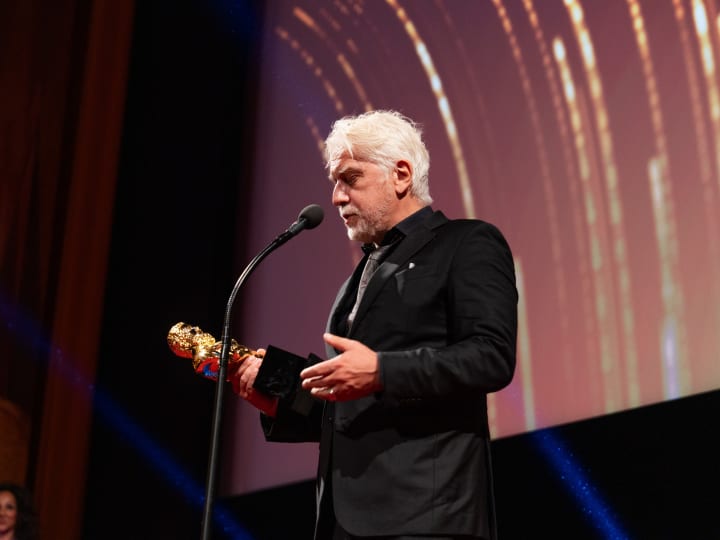
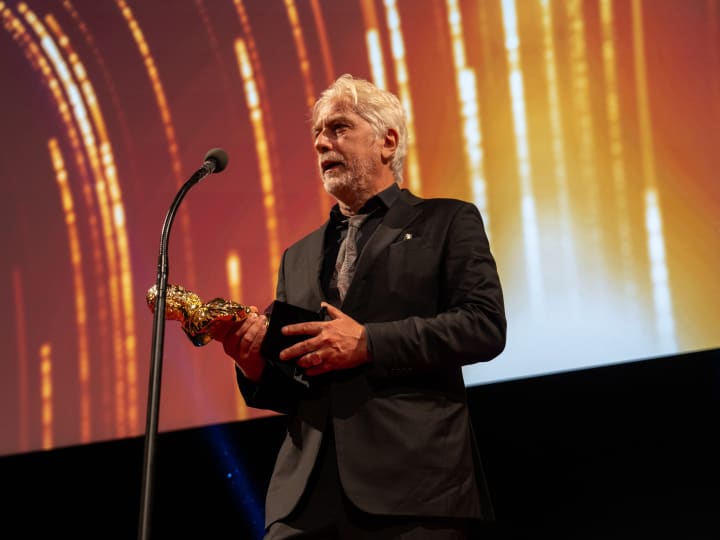
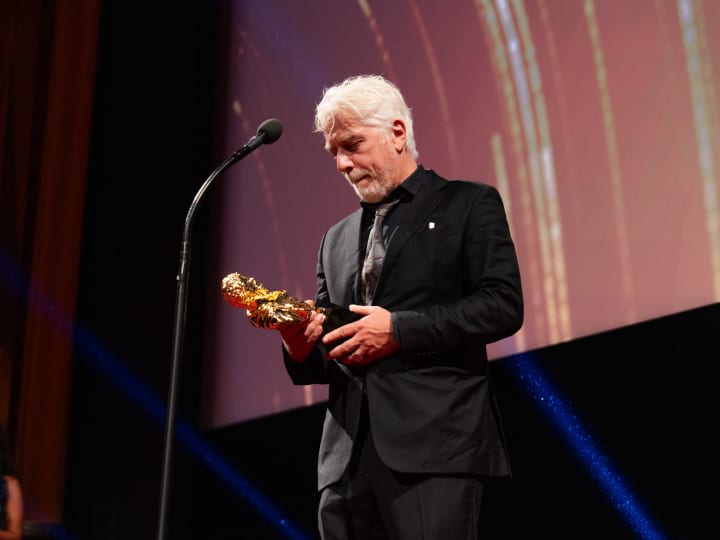
Clutching the statuette, the Septimius award felt cool and weighty in his palm. He stood before the glittering audience, the Venetian red velvet of the theatre echoing the tragicomic hue of the mountain saga he had just embodied.
“Vermiglio is about time,” he finally said, his voice surprisingly steady, yet carrying the resonance of a man accustomed to projecting to the balcony. “It’s about how it slips away from us—like snow in spring, like the water rushing down the Alps.”
He dedicated the honor to his late parents, the working-class Neapolitans who had fostered the dream of their son performing on any stage, grand or humble. The victory wasn't just a personal milestone; it was a beacon for Italian cinema, emphasizing a renaissance driven by deeply authentic, geographically specific storytelling. The film's domestic success, grossing over €5 million, and its subsequent U.S. distribution via Neon, proved that profound historical drama could be commercially viable.
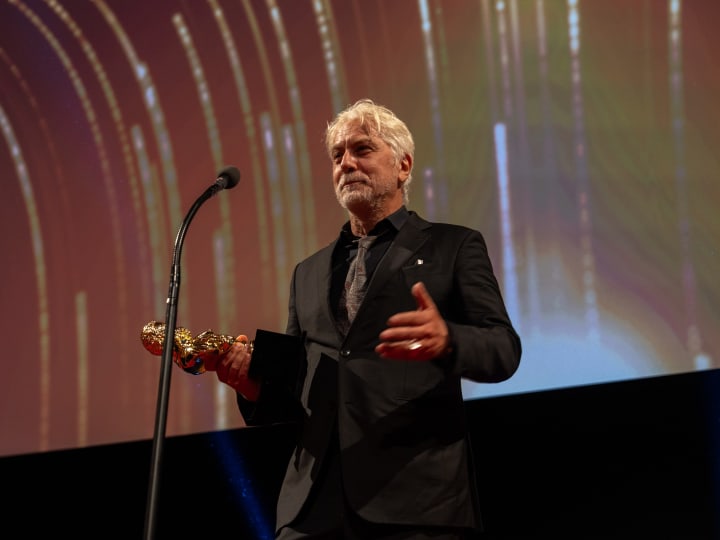
For Ragno, however, the real prize remained the work itself. His portrayal of Cesare, captured perfectly in that pivotal scene where the teacher lectures his children on honor while sweat beads on his brow, concealing his own profound infidelity, was a map of human contradiction. It was a performance that, as one critic had lauded, made the historical drama feel "urgently contemporary," speaking to the universal human condition of clinging to a fragile sense of self while the world changes around you.
The stage lights dimmed slightly as he finished his speech, the applause washing over him like the strong, clean current of a mountain stream. Tommaso Ragno—the chameleon of the stage, the intense force on screen, and now, the Best European Actor—descended the steps. His future now included a demanding lead in a new Paolo Sorrentino series and a return to his first love with a stage revival of The Godfather. Yet, tonight, as he held the statuette, he understood that great acting was not about stealing the scene, but about holding the frame of history steady, even as the narrative of the world around it inevitably cracked. He knew that the role of Cesare, the vain, devoted, yet deeply flawed patriarch, would endure, a permanent echo in the Alpine silence.
About the Creator
MarqueeNarrative
Marquee Narrative
Keep reading
More stories from MarqueeNarrative and writers in Geeks and other communities.
Alma Pöysti Wins Best European Actress at the Septimius Awards 2025 in Amsterdam
Alma Pöysti's triumph as Best European Actress for her performance in Orenda at the 2025 Septimius Awards is a milestone moment - not just for her, but for the kind of emotional clarity and risk that European cinema so often aspires to deliver. In a field crowded with powerful performances, Pöysti stood out for her ability to be both intensely personal and hauntingly universal, drawing viewers inside Orenda in a way that stays with you long after the film ends.
By MarqueeNarrative5 months ago in Geeks
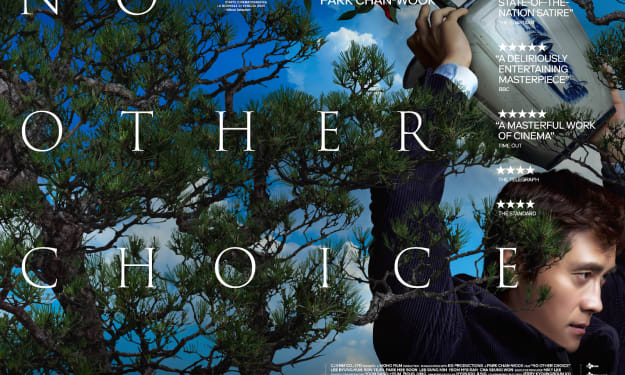
No Other Choice (2025)
It is only February, so other films may well surpass “No Other Choice”, but I think this is the best film I’ve seen so far this year. And that surprises me, because, it is a subtitled film and while I am pretentious enough to choose to watch foreign-language films, I was also very tired and that was an extra commitment from me. But more importantly, let me warn you, this film is gruesome and violent. There were times I had to turn away from the screen to avoid the worst of it (including some self-inflicted dentistry).
By Rachel Robbins6 days ago in Geeks
rhode island shooting
On February 16, 2026, a somber chapter unfolded in Pawtucket, Rhode Island, when a shooting in Rhode Island erupted during a high school hockey game at the Dennis M. Lynch Arena — an ice rink known for community sports and local hockey culture. What began as a routine afternoon at a youth match turned into a devastating act of violence that has reverberated across the small New England city and beyond.
By Saboor Brohi a day ago in Geeks
'Till Death We Do Art
There would be nothing divine in this world without art. Nature may surpass the divine to all intents and purposes, but like everything it absorbs and is absorbed by, it remains here, stuck on the surface of this world, ever-present, physically bound to the universe.
By Avocado Nunzella BSc (Psych) -- M.A.P a day ago in Art


Comments